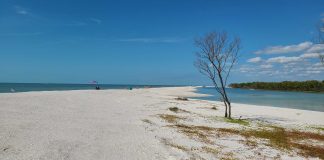





The rhythmic sound of waves crashing on the shore creates the perfect backdrop for discovering the vibrant ecosystem of beaches. Beyond seashells, beaches are teeming with life, from the tiniest crustaceans to majestic sea turtles. Exploring shore life not only offers a chance to appreciate nature’s wonders but also deepens our connection to the delicate ecosystems thriving at the water’s edge.
Birds of the Shoreline
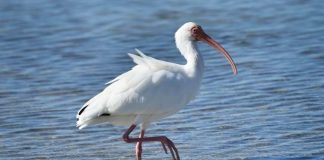
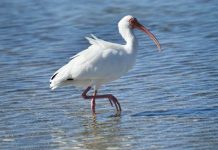
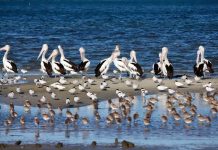
Beaches are prime habitats for a variety of shorebirds, offering rich feeding grounds where the sea meets the land. I love to look up and around at the avian diversity that is stunningly beautiful.
1. Sandpipers
These small, agile birds can often be seen darting along the water’s edge, pecking at the sand for small invertebrates.
- Key Features: Long, slender beaks and quick, scurrying movements.
- Common Species: Western Sandpiper, Sanderling.
2. Seagulls
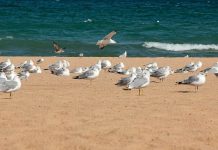
Perhaps the most iconic beach birds, seagulls are adaptable and found on almost every shoreline.
- Key Features: Medium-sized with gray and white plumage and sharp, curved beaks.
- Interesting Behavior: They are opportunistic feeders, often scavenging human leftovers.
3. Pelicans
These majestic birds are often seen gliding over the waves or diving dramatically into the water to catch fish.
- Key Features: Large body, long beak with a throat pouch.
- Notable Species: Brown Pelican (common in North America).
4. Oystercatchers
With their striking black and white bodies and bright orange beaks, oystercatchers stand out.
- Diet: Mussels, clams, and other shellfish.
- Habitats: Rocky or sandy shores where shellfish are abundant.
Marine Turtles
Turtles are among the most beloved inhabitants of the beach ecosystem. If you’re lucky, you may spot one during your explorations or witness their nesting rituals.
1. Loggerhead Turtle
One of the most common species found in temperate and tropical beaches worldwide.
- Habitat: Coastal waters and nesting areas on sandy beaches.
- Conservation Note: Threatened by habitat loss and marine debris.
2. Green Sea Turtle
Named for the greenish hue of their fat (due to their diet of seagrass and algae), these turtles are a sight to behold.
- Nesting Behavior: Females return to the beach where they were born to lay eggs.
- Appearance: Smooth, heart-shaped shell with patterns of brown and olive hues.
3. Leatherback Turtle
The largest of all sea turtles, leatherbacks can grow up to 7 feet in length.
- Key Features: Soft, leathery shell with ridges.
- Diet: Jellyfish, making them vital for controlling jellyfish populations.
Crustaceans and Other Shoreline Creatures
The intertidal zone teems with small yet fascinating creatures that are vital to the beach ecosystem.
1. Ghost Crabs
These pale, sand-colored crabs are quick and often spotted darting into burrows.
- Behavior: Active at dawn and dusk, scavenging for food.
- Fun Fact: Their coloration helps them blend into the sandy environment.
2. Horseshoe Crabs
Ancient and intriguing, these creatures are often seen in shallow waters or washed ashore.
- Key Features: Hard, rounded shell and long, pointed tail.
- Ecological Role: Their eggs are a critical food source for migrating shorebirds.
3. Clams and Mussels
Bivalves like clams and mussels burrow into the sand or attach themselves to rocks in tidal zones.
- Role in the Ecosystem: Filter feeders that help maintain water quality.
Other Wildlife to Look Out For
1. Jellyfish
Occasionally found washed ashore, jellyfish come in various shapes and sizes, from translucent moon jellyfish to colorful Portuguese man o’ wars. Avoid touching them, as some can sting even after death.
2. Starfish (Sea Stars)
These echinoderms are often found clinging to rocks or in tide pools. Most have five arms, though some species have more, with tiny tube feet on their underside.
3. Seals
On certain coasts, seals can be seen lounging on the sand or playing in the waves. They are curious but cautious, and often rest in large groups called “haul-outs.” Only found in cooler coastal regions, such as the Pacific Northwest or the northeastern U.S.
Exploring Responsibly
As you explore, remember that beaches are fragile ecosystems.
- Do not disturb wildlife: Observe from a distance, especially during nesting seasons.
- Leave no trace: Avoid leaving litter that can harm animals.
- Avoid handling creatures: Many are delicate or play a vital role in the ecosystem.
Exploring shore life is a journey into the wonders of nature, where every tide brings something new to discover. Whether it’s the squawk of a gull, the scuttle of a crab, or the sight of a turtle’s flippers disappearing into the sea, these encounters remind us of the beauty and interconnectedness of the natural world.