

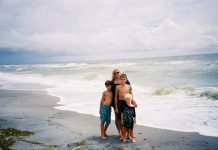



Anclote Key Preserve State Park, Florida
Three miles offshore from Tarpon Springs, Anclote Key sits at the edge of what most people are willing to do for a beach day. You have to get on a boat to get there. No causeway, no bridge, no parking lot five minutes from the sand. Just open Gulf water between you and one of the most genuinely uncommercial beach experiences left in Pinellas County.
This is Anclote Key Preserve State Park, an 11,773-acre park comprising four barrier islands: Anclote Key, North Anclote Bar, South Anclote Bar, and Three Rooker Island. Every one is accessible only by private boat or ferry from Tarpon Springs’ historic Sponge Docks. There are no concessions, no fresh water, no lifeguards, and no trash receptacles on any of the islands. What you carry in, you carry out.
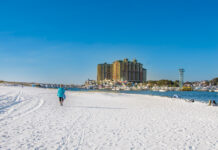
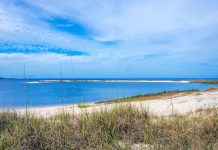
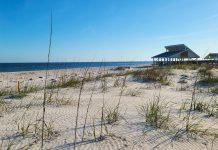
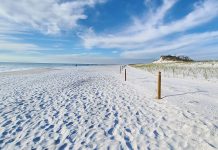
The payoff for that extra effort is a beach experience genuinely rare in a county that includes Clearwater Beach and the full length of the St. Pete Beach strip. The sand on Anclote Key runs white and shell-rich along miles of undeveloped shoreline. The water runs blue-green and clear on calm days, with seagrass beds just offshore that bring manatees and dolphins through regularly. The 1887 lighthouse on the south tip of the main island has stood long enough to outlast most of what Florida has built and torn down around it. And the bird life across all four islands, particularly the massive colonial nesting colony on Three Rooker Island, makes this preserve one of the most significant coastal wildlife habitats in Pinellas County.
In this guide I walk you through each of the four islands and what their beaches actually offer, go deep on what the sand and water are really doing, score the preserve across every category that matters, and tell you exactly who this beach is built for and who will have a better time somewhere with a parking lot. I close with my own take on what makes this island worth the boat ride, including a September morning on the north end that I have not stopped thinking about since.
The Vibe at Anclote Key Preserve State Park
Remote by Design, Rewarding by Nature
The boat-only access is not a limitation you have to work around. It is the reason this beach is what it is.
Every person you will meet on Anclote Key went to some trouble to get here. The ferry from the Tarpon Springs Sponge Docks takes about twenty minutes. Kayakers paddle out from the mainland in an hour or two depending on conditions. Boaters anchor offshore and beach their vessels or tender in. The result is a crowd that is genuinely invested in the experience: birders with spotting scopes, shellers who know what the north end produces after an overnight wind, campers who called the resident ranger ahead of time, and day-trip boaters who have a favorite anchorage spot. You will not find anyone who showed up because the parking lot was closest.
Anclote means “anchor” in Spanish, and the name tells you something about the history of this stretch of water. The 1887 lighthouse on the south end of the main island guided mariners through the Gulf approaches to Tampa Bay for nearly a century before it was decommissioned in 1984. Vandals and years of salt air took their toll after that, until a preservation effort brought it back and the Florida Park Service established the preserve around it. Today a resident park ranger lives on the island, the Friends of Anclote Key run monthly lighthouse tours, and the four islands have been left almost entirely to the birds, the Gulf, and the people willing to reach them.
What you need to know before you arrive: there is nothing for sale on this island. No food, no drinks, no sunscreen, no shade structure for rent. Two composting toilets on Anclote Key are the full extent of the facilities. A flag system at the welcome station tells you about water conditions because there are no lifeguards. This is the kind of beach that was common in Florida sixty years ago and increasingly is not. You either want that, or you want something else, and there is nothing wrong with knowing the difference before you board the ferry.
Anclote Key Beach Areas: Four Islands, Five Distinct Experiences
The four islands that make up this preserve offer beach experiences more different from each other than their proximity would suggest. Here is how the preserve breaks down and what you will find at each stop.
Anclote Key: The South Beach and Lighthouse End
Main Landing Point · Picnic Pavilion · Shelling Base
Step off the ferry or pull your kayak onto Anclote Key’s south beach and the first thing you will notice is how quiet it is. The picnic pavilion and a few grills sit back from the waterline near the welcome station. A composting toilet marks the edge of the island’s modest infrastructure. From there the beach runs north for miles with nothing commercial on it, and south toward the lighthouse compound, where the 1887 cast-iron skeleton lighthouse stands at the southern tip of the island.
The sand here is white and clean with a shell component that varies from season to season. After a period of calm weather the beach is soft and the wrack line is thin. After an overnight wind event, shells concentrate along the high-tide line in a way that will stop you within the first hundred yards. Lightning whelk, horse conch, olive shells, and calico scallops are consistent finds. Sand dollars show up on the north end particularly after good conditions.
I have reached this south beach three times, twice by ferry from the Sponge Docks and once by kayak from the Anclote River Park launch. Each time the mood here was the same: self-contained and easy, the kind of place where people spread out naturally and nobody crowds the person next to them. The lighthouse boardwalk and dock sustained storm damage in 2024, but the Friends of Anclote Key resumed monthly lighthouse tours starting in February 2025. Check their current schedule at anclotecso.org before planning a lighthouse visit specifically.
Anclote Key: The North End and Primitive Camping Zone
Primitive Camping · Most Remote Stretch · Best North Walk
Walk north from the picnic pavilion and the beach gets wilder in gradual stages. The foot traffic thins within half a mile. The vegetation on the landward side grows denser. The bird sound increases as the human sound decreases. By the time you are in the designated primitive camping zone at the northern tip of the island, you are about as alone on a Florida beach as it is possible to be, and you are three miles offshore from Tarpon Springs.
The shelling on the north end is the best on the island. The shell concentration builds toward the north tip, particularly along the wrack line after any overnight chop. I had a September morning here where the pickings were the best I had found since walking the southwest coast months earlier. The diving squat for two hours without moving more than a hundred feet of waterline. The north end of Anclote Key makes the shelling squat count.
The camping here is genuine primitive camping: no fire rings in the north zone, no picnic tables, no water, no electricity. Contact the resident park ranger to register before your trip. You need your own water transportation since ferry services will not drop off overnight visitors. Wake up on Anclote Key in November with an offshore breeze and no other humans in earshot and you will understand why people plan around the extra steps this experience requires.
North Anclote Bar
Dog-Friendly Sandbar · Shallow Warm Water · Weekend Boat Scene
The North Anclote Bar is a separate sandbar sitting north of the main island and it has two distinctions: it is the only part of the entire preserve where dogs are allowed, and on summer weekends it carries a social atmosphere of anchored boats, paddleboards, and easy sandbar energy that is completely different from the wildlife-focused quiet of Anclote Key proper. The bar is flat and low with warm, shallow water on all sides. Even on a busy Saturday you can wade out in ankle-deep water for a long way.
Dogs must be on a 6-foot handheld leash at all times on North Anclote Bar. There is no shade, no fresh water, and no facilities of any kind, so plan accordingly for both yourself and your dog. The shallow water is excellent for dogs to wade and swim in, and the calm conditions make it a good call for dogs who want Gulf water without real surf.
My honest read: North Anclote Bar is not where I go for the shelling and solitude that define the main island experience. It is where I would go specifically with a dog, or if I wanted a classic sandbar beach day with the boat crowd. Both are legitimate reasons to make the trip out here, and the bar delivers well on both.
South Anclote Bar
Quieter Sandbar · Between Anclote Key and Three Rooker · Kayaker Favorite
South Anclote Bar sits in the gap between the south end of Anclote Key and Three Rooker Island, and it consistently gets less attention than the other areas in the preserve. The bar is smaller, the anchorage shallower, and the boaters who find their way here tend to be the regulars who have been coming to this cluster long enough to know the quieter spots. No pets are allowed on South Anclote Bar.
The bird activity around the edges of the South Bar is often excellent depending on the season, since the channel between the bar and Three Rooker moves food through the water column in ways that attract foraging shorebirds. The water is clear and the bottom sandy and visible, similar to the main island in quality. The bar disappears toward high tide faster than the other areas in the preserve, so the visit window is tide-dependent in a way that Anclote Key proper is not.
If you are kayaking the preserve, a paddle around to South Anclote Bar after exploring the main island gives you a completely different angle on the whole complex. You can see Three Rooker from here, and during nesting season you will hear it before you get close enough to identify the species.
Three Rooker Island
Major Bird Nesting Colony · Seasonal Closures Apply · No Dogs
Three Rooker Island is the southernmost part of the preserve and the most biologically important piece of it. The island formed between the 1970s and 1980s from tidal currents and sediment deposits, and recent storms split the original horseshoe-shaped island into two smaller pieces. The nesting colony adjusted and continued. From April through August, thousands of birds work this island: black skimmers, American oystercatchers, royal terns, caspian terns, sandwich terns, laughing gulls, and several other species. An 1,800-foot section of beach is officially closed May 1 through August 1 to protect active nests.
You will hear Three Rooker before you see it during nesting season. The bird sound is extraordinary, the kind you do not expect from what looks like a low sandy island barely above the waterline. Audubon shorebird stewards patrol on weekends during the breeding period and are the best source of real-time information on which species are nesting and where the closures are currently in effect. If birding is any part of why you are making the trip, Three Rooker in June or early July is worth planning around specifically.
No pets are allowed on Three Rooker Island under any circumstances. The island is managed entirely as a wildlife protection zone and the seasonal closures are enforced. Outside of nesting season the beach is open for exploration, but even then the value of Three Rooker is the birds, the view across St. Joseph Sound, and the quiet. This is a wildlife island that allows visitors, not the other way around.
Anclote Key Rankings: Expert Scores Across 11 Categories
These scores reflect the preserve as a whole, weighing the remarkable wildlife and solitude of the main island alongside the access barriers that keep most of Pinellas County’s beach visitors somewhere easier to reach.
Sand Quality
9/10
White and shell-rich rather than pure quartz, which works directly in favor of the shelling. The sand has character and compositional variety that changes with the season and the weather. Very good walking surface at the intertidal zone.
Hiking & Beach Walking
8/10
Miles of undeveloped shoreline running north from the main pavilion area, with consistent bird activity and improving shelling the further north you walk. One of the more rewarding sustained beach walks in Pinellas County for the combination of solitude and wildlife.
Shelling
9/10
The best shelling score in my Pinellas County guide series. Lightning whelk, horse conch, olive shells, pen shells, calico scallops, tulip shells, angel wings, and sand dollars under the right conditions. Walk the north end at low tide after an overnight chop for the strongest returns.
Water Conditions
8/10
Clear and turquoise on calm days with visibility to the sandy bottom in most swimming areas. Conditions shift with wind and the sandbar configuration affects current patterns near the channel areas. No lifeguards anywhere in the preserve, so check the flag system on arrival.
Scenery & Natural Beauty
9/10
The lighthouse silhouette, undeveloped shoreline in every direction, constant bird activity, and the sense of being genuinely offshore combine to make this one of the most visually distinctive beach experiences in Pinellas County.
Birding & Wildlife
9/10
At least 43 confirmed bird species. Thousands of colonial nesting birds on Three Rooker Island April through August. Sea turtles nesting May through October. Manatees in the seagrass beds. Dolphins working the shoreline on calm mornings.
Family Friendliness
6/10
Genuinely beautiful for families who come fully prepared, demanding for those who do not. No lifeguards, no food, no fresh water, no first aid. Pack everything and set the right expectations and a family day here is memorable. Don’t plan for the self-sufficiency requirement and it can be a rough afternoon.
Dog Friendliness
3/10
Dogs permitted on North Anclote Bar only, on a 6-foot handheld leash. No dogs on Anclote Key, Three Rooker Island, or South Anclote Bar. The North Bar is a good dog beach for shallow, calm-water access, but it is the only option in the preserve.
Solitude & Peace
10/10
Boat-only access means this beach never becomes a parking-lot destination. Midweek the preserve can be nearly empty. Even on a busy weekend the character of the visitor pool produces nothing approaching the crowd density of any mainland public beach in the county.
Entertainment & Nightlife
1/10
None. This is a primitive preserve with no commercial activity on any of its four islands. Plan your evening in Tarpon Springs and come to the island for the day.
Parking & Beach Access
4/10
Boat or ferry only, no vehicle access, no causeway. Ferry services from the Sponge Docks include Island Paradise Charters (877-774-0589), Parrotdise Express (727-388-7333), Odyssey Cruises (727-934-0547), and Spongeorama Cruise Lines (727-943-2164). Kayakers can launch from Anclote River Park ($2 admission, $5 boat launch fee).
Anclote Key Sand & Water
The beach here is flat and wide, with plenty of room between the tree line and the water no matter what the tide is doing. The sand near the pavilion is soft enough to feel in your legs on a longer walk, while the wet sand right at the waterline packs firm and makes for easy, steady walking. It’s not the pure powder-soft sand you’d find on some Panhandle beaches, there’s a noticeable shell content mixed in, which is exactly what makes the shelling here so good but also means it’s not the top pick for sculpting an elaborate sandcastle. A simple wet-sand build works fine close to the water. Further up the beach, the sand is too loose and shell-flecked to hold much shape.
The water runs blue-green to turquoise on a calm day, with visibility clear enough to see the sandy bottom in swimming depth, one of the better-looking stretches of water in this part of the county. Entry is gradual and easy almost everywhere in the preserve, with no steep drop-offs to worry about. There are no lifeguards anywhere on any of the four islands, so check the flag system at the welcome station before you get in, and be aware that currents can pick up in the channels running between the islands. Stick to swimming near other people rather than off on an isolated stretch by yourself.
-
Walkability. Flat and wide with easy footing at the waterline. The dry sand near the pavilion is softer and slower going, so stick close to the packed wet sand for a long walk.
-
Softness & Playability. Good for wading, digging, and casual play near the water. The shell content mixed through the sand makes it better for hunting than for building, so keep sandcastle expectations modest.
-
Barefoot Comfort. Very comfortable at the wet waterline year-round. Watch your step through the wrack line and on the north end after a windy night, where shell fragments concentrate.
-
Swimmability. Warm, clear, and generally calm with a gentle entry. No lifeguards anywhere in the preserve, so check the condition flags on arrival and keep an eye out for current near the channels between islands.
Want the full geology, grain composition, and the complete sand and water condition ratings? I broke it all down separately in Sand & Shore: Anclote Key.
Dogs & Pet Accessibility
Are Dogs Allowed on the Sand? MOSTLY NO, WITH ONE EXCEPTION.
To protect nesting shorebirds and sea turtle habitat, dogs are banned from Anclote Key itself, South Anclote Bar, and Three Rooker Island. North Anclote Bar is the single exception in the entire preserve.
Where Dogs Are Allowed
- ✓North Anclote Bar, on a 6-foot handheld leash at all times. This is the only legal dog access point anywhere in the preserve.
Where Dogs Are NOT Allowed
- ✗Anclote Key, including the south beach, the pavilion area, and the entire north walk and camping zone.
- ✗South Anclote Bar.
- ✗Three Rooker Island, enforced strictly and without exception given the scale of the nesting colony there.
Paws on the Ground Reality
North Anclote Bar is genuinely pleasant for a dog once you’re there: shallow, warm water on every side and flat, easy footing. Getting there is the real logistics question, since it requires your own boat or kayak rather than a ferry ticket. Bring your own fresh water for both of you, there’s none on the bar, and plan your visit for cooler hours since there’s no shade at all.
If a full island hiking day with your dog is the goal, this isn’t the beach for it. The self-sufficiency and seasonal wildlife sensitivity across the other three islands make Anclote Key a poor match for a dog who wants to walk rather than wade. Mainland Pinellas County has better dedicated dog-hiking options if that’s specifically what you’re after.
Crowd Levels and the Overall Feel of Anclote Key
Anclote Key’s crowd is self-selecting in the best possible way. The boat-only access means every person on this island chose to put in more effort than an average beach day requires. You will find birders, shellers, campers who planned ahead, kayakers who paddled out, and boaters who know this anchorage well. The ferry groups from Tarpon Springs are finite in size and spread out naturally across the island. Even on a full-capacity summer Saturday the beach does not feel congested the way a mainland public beach does.
Weekdays midseason can be genuinely quiet. Weekends between May and August bring more boat traffic to the sandbar areas, and the anchorage off the south beach fills up by midday. The main island stays manageable throughout the year.
- Spring: Moderate crowd, excellent conditions. Nesting season begins in April, which means birding improves dramatically on Three Rooker. Best shelling window before the summer season fully arrives.
- Summer: Peak boat traffic to the bars. The main island remains manageable. Three Rooker nesting season is in full swing with the 1,800-foot seasonal closure in effect May 1 through August 1.
- Fall: My favorite window for Anclote Key. The boat crowd thins after Labor Day, the water stays warm and clear through October, fall migration brings different bird species through, and on a September morning the north end can be empty for as far as you can see.
- Winter: Ferry frequency drops and the island goes very quiet. Excellent birding for wintering shorebirds. Primitive camping in December and January is cold at night but genuinely peaceful.
Who Is Anclote Key Really For?
✓ Who Will Love Anclote Key
-
Serious shellers who want the strongest production in Pinellas County, particularly on the north end at low tide after a wind event
-
Birders who want access to one of Florida’s most significant colonial nesting sites on Three Rooker Island and 43+ species across the preserve
-
Primitive campers who want a genuine wilderness beach experience within a short boat ride of a city, without driving hours to reach it
-
Boaters and kayakers who want a destination worth the anchor, with clear water, outstanding shelling, and a historic lighthouse as the reward
-
Anyone who wants to see what coastal Florida looked like before commercial development reached every accessible shoreline
-
Nature photographers looking for bird shots and dolphin encounters that mainland Pinellas County beaches simply cannot match
✗ Consider Another Beach If…
-
You need lifeguards or fast access to first aid. There are none on any of the four islands and the mainland is a boat ride away
-
You do not want to pack in and carry out everything. The pack-it-in, pack-it-out rule is absolute here with no exceptions
-
You are bringing a dog and want beach access beyond one sandbar. Dogs are permitted on North Anclote Bar only, on leash
-
You want restaurants, nightlife, beach bars, or any commercial amenity. There is none on any of the four islands
-
You have mobility limitations that make soft sand and boat-based access difficult to manage
Things to Do at Anclote Key Preserve State Park
-
Shelling. The best shelling in Pinellas County. Walk the north end at low tide after any overnight wind event for the strongest returns. Lightning whelk, horse conch, calico scallops, angel wings, and sand dollars are all possible. Bring a mesh bag and work the wrack line methodically. This is where the shelling squat gets a real workout.
-
Birding. 43+ confirmed species in the preserve. Three Rooker Island hosts thousands of nesting birds April through August. Year-round residents include American oystercatchers, bald eagles, and piping plovers. Fall migration brings additional species through October and November. Bring binoculars and plan for a full morning if Three Rooker is on your list.
-
Swimming. Clear, warm Gulf water with good bottom visibility on calm days. No lifeguards anywhere in the preserve. Check the condition flags at the welcome station before getting in. Swim near other people rather than on isolated stretches.
-
Primitive Camping. The north end of Anclote Key allows primitive camping by registration. Contact the resident park ranger before your trip. You must provide your own transportation since ferry services do not drop off overnight visitors. Bring all food, water, and supplies and pack everything out.
-
Kayaking and Paddleboarding. The mainland launch at Anclote River Park is the closest put-in, roughly 1 to 2 hours from the island depending on conditions. The waters around the preserve are excellent for wildlife encounters including dolphins and manatees near the seagrass beds.
-
Fishing. Outstanding throughout the preserve. Local anglers report consistent catches of sea trout, redfish, snook, and sharks. A Florida fishing license is required for anyone 16 and older.
-
Snorkeling. Rewarding in the clear water over the seagrass beds, which support tropical fish, rays, and occasional sea turtle sightings. No coral reefs here, so manage expectations accordingly. Best visibility is early morning on calm days.
-
Lighthouse Tours. The 1887 Anclote Key Lighthouse is accessible during monthly guided tours through the Friends of Anclote Key (anclotecso.org). These are the only times you can get close to the structure. Check the current schedule before planning your trip specifically around the lighthouse.
-
Wildlife Photography. The preserve offers photography opportunities difficult to replicate in mainland Pinellas County. The nesting colony on Three Rooker Island, dolphins working the shoreline, and the 1887 lighthouse as a compositional anchor make this one of the more photogenic destinations in the Florida state park system.
Local Knowledge and Practical Advice
A few things I have picked up from multiple visits to Anclote Key:
-
Pack everything before you leave the dock. No exceptions to the self-sufficiency requirement: water, food, sunscreen, bug spray, shade, first aid basics. There is nothing for sale on any of the four islands, and the ferry runs on a schedule.
-
The north end shelling is best at low tide after an overnight wind event. If you can time your visit to follow a night of moderate chop, the wrack line on the north end will have concentrated shells that quieter days won’t show you. Check the tide schedule before booking your ferry and arrive on the island before 9am if you want to work the best material first.
-
Bug spray is essential for any time away from the open beach. The mosquitoes in the interior vegetation are significant, particularly in summer. On the open beach with a sea breeze you will barely notice them. Step into the vegetation without bug spray and you will notice them immediately.
-
Check the Friends of Anclote Key for current lighthouse tour dates. Monthly access tours run through anclotecso.org. The dock and boardwalk sustained damage in the 2024 storms. Confirm the schedule before planning your trip specifically around the lighthouse.
-
Sea turtle nesting runs May through October. Loggerhead and green turtles nest on the beaches of Anclote Key. Respect any marked nests and do not use white light on the beach after dark. Use a red flashlight or no flashlight after sunset during nesting season.
-
Check the condition flags at the welcome station on arrival. No lifeguards means the flag system is your only official guidance on water conditions. Double red flags mean no swimming. Do not ignore the flags on any part of the island.
-
Call the resident ranger to register before primitive camping. Camping on the north end requires registration through the park and your own transportation. Ferry services will not drop you off overnight. Plan the logistics at least a week in advance, and considerably further ahead for holiday weekends.
-
Fall is the best overall window for this preserve. The boat crowd thins after Labor Day, the water stays warm and clear through October, fall migration brings new bird species through, and shelling after September and October fronts can be the most productive of the year. Time this trip for September or early October if you have flexibility.
-
Respect the Three Rooker Island seasonal closures. The 1,800-foot closure is in effect May 1 through August 1. The birds nesting here include multiple threatened species and the colony is one of the most significant in Florida. Stay back from the roped-off areas and give the birds more space than you think they need.
Where to Stay Near Anclote Key, Florida
The island itself has one overnight option. The mainland around Tarpon Springs and northern Pinellas County rounds out the choices for the nights before and after your ferry or kayak trip.
Primitive Camping on Anclote Key
The north end of Anclote Key allows primitive beach camping by permit. Contact the resident park ranger to register. You must arrange your own water transportation since ferry services do not carry overnight visitors. There is no electricity, no fresh water, no fire rings in the camping zone, and one composting toilet on that end of the island. Pack everything and carry all trash out. This is the most uniquely positioned overnight experience in the Pinellas County park system.
Hotels Near Tarpon Springs
Several chain hotels sit within easy driving distance of the Sponge Docks ferry departure area, including Hampton Inn and Suites and Quality Inn options along the Tarpon Springs corridor. Book ahead for spring and summer weekends when the Sponge Docks draw additional visitors from across the region.
RV Parks in Northern Pinellas and Pasco County
Bay Aire RV Park in Palm Harbor, Sun Retreats Dunedin on US-19 Alternate, Holiday Travel Park in Holiday, and Anclote Village RV Park on Calvary Road in Holiday all sit within reasonable range of the Tarpon Springs ferry departure points. Suncoast RV Resort in Port Richey extends the options further north.
Vacation Rentals in Tarpon Springs
Tarpon Springs offers vacation rental properties ranging from waterfront homes with dock access to cottages near the historic Sponge Docks. For boaters with their own vessel, a rental with dock access on the Anclote River gives you the closest possible staging point for an early morning departure to the islands.
What Makes Anclote Key Different from Nearby Beaches
Anclote Key is the most self-sufficient and genuinely remote beach experience in the Pinellas County park system, and several specific characteristics set it apart from every other option in the area.
Boat-only access that changes everything
This is the defining characteristic and it cascades into every other aspect of the experience. No vehicle access means no concession vendors, no rows of beach chairs for rent, no crowds of people who showed up because it was the closest available parking. The access requirement is also the preservation mechanism. The beach you find when you arrive is the direct result of the fact that reaching it takes intention.
The 1887 lighthouse as a visible landmark
Very few Gulf Coast state parks contain a genuinely historic lighthouse structure on their beachfront. The Anclote Key Lighthouse is a cast-iron skeleton sentinel built in 1887 and maintained by the Friends of Anclote Key. Walking the south beach with the lighthouse silhouette visible down the shoreline is a visual experience you will not find at Honeymoon Island or Caladesi.
Three Rooker Island nesting colony
One of the most significant colonial nesting sites in Florida, with thousands of birds from multiple species using the island April through August. Birders who know Florida know Three Rooker Island. Most visitors driving through Tarpon Springs on their way to a more accessible beach have never heard of it.
Primitive camping within a boat ride of a city
Camping on Anclote Key is closer in character to backcountry camping than to any developed Florida State Park campground experience. No hookups, no water, no developed sites. The fact that it sits three miles offshore from a city with restaurants and ferry service makes it one of the most logistically accessible wilderness camping experiences in the state.
Anclote Key vs. Other Florida Central West Coast Beaches
Anclote Key vs. Honeymoon Island State Park
Both are state parks in Pinellas County and both have genuine natural character, and that is roughly where the similarity ends. Honeymoon Island is drive-in, has a cafe with beer and wine, bike rentals, kayak rentals, lifeguards at the main beach, a dedicated dog beach, over 2.5 miles of hiking trails, and more than a million visitors a year. Anclote Key is boat-only, has composting toilets and a picnic pavilion, and draws a fraction of that crowd. Choose Anclote Key for the wilderness version. Choose Honeymoon Island for the accessible state park version with full amenities.
Anclote Key vs. Caladesi Island State Park
Both require water transportation and both have genuine natural character. Caladesi is reached by a more organized public ferry from Honeymoon Island and offers a cafe, beach chair rentals, restrooms, showers, and a playground at the marina. Anclote Key is more primitive in every sense. Caladesi’s beach has been nationally ranked multiple times. Anclote Key’s shelling is arguably stronger. Both are worth making the trip.
Anclote Key vs. Fred Howard Park Beach
Fred Howard Park sits just south of Tarpon Springs in Pinellas County, accessible by causeway to a barrier island with a much more developed beach park setup including pavilions, playgrounds, and a standard parking lot. Fred Howard Park is where you go when you want a Tarpon Springs area beach day without a boat. Anclote Key is where you go when you want what the boat access provides.
Anclote Key vs. Clearwater Beach
These are not alternatives for the same visitor and should not be compared as if they are. Clearwater Beach is one of Florida’s most visited and most developed Gulf beach destinations, with a full resort corridor, Pier 60, and every commercial amenity available. Anclote Key is a primitive barrier island preserve three miles offshore. If you want a resort beach experience, Clearwater is the right call. If you want what Anclote Key offers, Clearwater cannot provide it.
Bottom line: Anclote Key is the Pinellas County beach for people who want what the boat ride provides. If the boat ride feels like a deterrent, Honeymoon Island and Caladesi are both excellent state park alternatives with more infrastructure and easier access. If the boat ride is the whole point, Anclote Key delivers.
Anclote Key Preserve State Park: Frequently Asked Questions
How do you get to Anclote Key Preserve State Park?
By private boat, kayak, or ferry from Tarpon Springs’ Sponge Docks. Ferry services include Island Paradise Charters (877-774-0589), Parrotdise Express (727-388-7333), Odyssey Cruises (727-934-0547), and Spongeorama Cruise Lines (727-943-2164). Kayakers can launch from Anclote River Park on the mainland, roughly 1 to 2 hours paddle depending on conditions. There is no bridge, causeway, or vehicle access to any of the four islands.
Is there an entrance fee for Anclote Key Preserve State Park?
There is no state park entrance fee for the island itself. Ferry services charge their own transportation rates, which vary by provider. Contact individual ferry companies for current pricing and schedules. If you arrive by private boat, there is no separate park access fee.
Are dogs allowed at Anclote Key Preserve State Park?
Dogs are permitted only on North Anclote Bar, on a 6-foot handheld leash at all times. Dogs are not allowed on Anclote Key itself, Three Rooker Island, or South Anclote Bar. This restriction protects sensitive nesting bird habitat and sea turtle nesting beaches throughout the preserve.
Can you camp on Anclote Key?
Yes. Primitive camping is allowed on the north end of Anclote Key by permit. Contact the resident park ranger to register before your trip. You must provide your own water transportation since ferry services do not accommodate overnight visitors. There is no water, electricity, or developed campsite infrastructure. Pack in everything you need and pack out all trash.
Are there lifeguards at Anclote Key?
No. There are no lifeguards anywhere in the preserve. A flag system at the welcome station on the south beach provides the official read on water conditions. Double red flags mean no swimming. Always check the flags on arrival and swim near other people rather than alone on isolated stretches of beach.
Is the Anclote Key Lighthouse open to visitors?
The lighthouse is accessible only during scheduled monthly tours through the Friends of Anclote Key (anclotecso.org). The dock and boardwalk sustained storm damage in 2024. Monthly tours resumed in February 2025. Check the current schedule before planning your trip specifically around the lighthouse visit.
What wildlife can you see at Anclote Key?
At least 43 confirmed bird species in the preserve, including American oystercatchers, bald eagles, and piping plovers. Three Rooker Island hosts thousands of colonial nesting birds from April through August. Sea turtles nest on the beaches May through October. Manatees frequent the seagrass beds offshore. Dolphins are regularly spotted along the shoreline on calm mornings.
When is the best time to visit Anclote Key?
Fall, from September through November, offers the best overall combination: the boat crowd thins after Labor Day, the water stays warm and clear through October, fall bird migration adds species variety, and shelling after September and October fronts can be the most productive of the year. Spring is also excellent, with nesting season beginning on Three Rooker in April.
What should I bring to Anclote Key?
Everything you will need for the entire day, since nothing is available for purchase on any island. Drinking water, food, sunscreen, bug spray, a hat, a mesh bag for shells, and any first aid basics. There are no trash receptacles on the island, so bring a bag to carry your trash out. If camping, add bedding, cooking supplies, and a waterproof bag for gear.
How long is the ferry ride to Anclote Key from Tarpon Springs?
Approximately 20 minutes from the Sponge Docks in Tarpon Springs to the main landing area on Anclote Key’s south beach. Schedules and transit times vary by ferry provider. Contact individual ferry services for current departure windows and pricing, as both change seasonally.
Patti’s Perspective: My Honest Take on Anclote Key
Central West Florida has always been the stretch of coast that pulls at something in me that no other part of Florida quite reaches. Anclote Key specifically sits at the end of an extra step that most visitors to this part of Florida never take. You can see the island from the Tarpon Springs waterfront on a clear day, and most people look at it and move on. I took the ferry out and the beach on the other side of that boat ride was a reminder of why the extra effort matters in beach travel.
The water here has a warmth and a color that is genuinely different from anything north of Tampa Bay or south of it, and the state parks in Pinellas County preserve some of what made those drives worth making in the first place.
The island does not perform for you. It is just there, doing what it has always done, with the lighthouse standing at one end and the birds working the water at the other, and the shells arranged along the wrack line by whatever the overnight tide decided to bring in.
The shelling morning I had on the north end in September still ranks among the best single mornings on any Florida beach I have walked. A front had moved through overnight with enough chop to push material up the beach, and I reached the north end around 7am with nobody else in sight for as far as I could see in either direction. Two hours of the full shelling squat, a bag genuinely full, and my knees registering a legitimate complaint. That kind of morning does not happen at Clearwater Beach no matter when you arrive.
My verdict: 8.5/10. The most genuinely wild beach experience in Pinellas County, and the one that demands the most in return. If solitude, shelling at the highest level, and serious wildlife watching are on your list, this island is worth every step of the boat ride it takes to reach. Come in fall if you can. Come prepared for everything. And leave more than you take.
Want to Live by the Water?Tarpon Springs and the northern Pinellas coastline represent a genuinely different kind of Gulf Coast waterfront opportunity from the more commercialized stretches further south. The city’s Greek heritage community, the working waterfront along the Sponge Docks, and a walkable historic downtown give it a cultural identity that most barrier island communities long since traded away for resort development. Home prices in Tarpon Springs average around $420,000, with waterfront properties offering more value per square foot than comparable listings on Clearwater Beach or the St. Pete Beach corridor.For buyers who want Old Florida character with direct Gulf access, the northern Pinellas coastline is worth a serious look. Properties along the Anclote River offer boat access to Anclote Key itself. Palm Harbor and Dunedin nearby extend the options across a broader range of price points, from inland homes with easy park access to waterfront properties along St. Joseph Sound.Explore Waterfront Living at LiveByTheWater.com
Real estate referral partner