

Kathryn Abbey Hanna Park, Florida
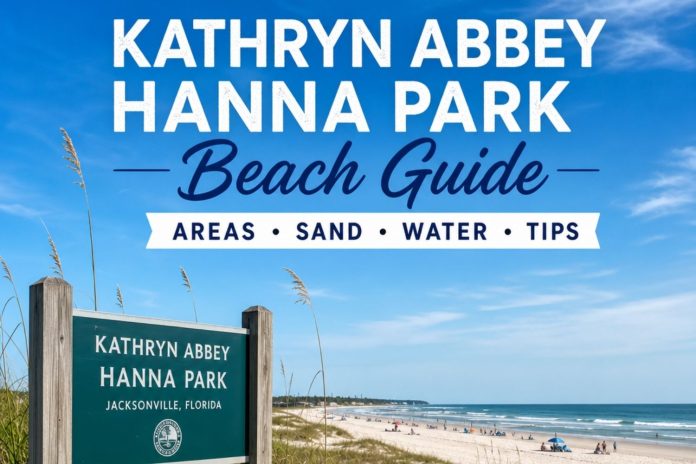
Kathryn Abbey Hanna Park is the most complete outdoor destination in this entire guide, and it’s also the place where I’ve had to sit with the most weight. This roughly 450-acre city park north of Atlantic Beach packs in a genuine surf break, a 60-acre lake, more than 20 miles of trails, and nearly 300 campsites, all for a five-dollar carload entry fee. It’s also built on the ground where Manhattan Beach once stood, Florida’s first beach resort for African Americans, a place that thrived for four decades before segregation-era history mostly erased it from public memory.
I referenced this history briefly in my guide to the Jacksonville Beaches, and I promised to give it the space it actually deserves here, since this park is the physical site where that story unfolded. I’m not going to treat it as a footnote to the surfing and camping that draw most visitors today. Both things are true about this land, and I think this park is more interesting, not less, for holding both at once.
In this guide I’m covering the Manhattan Beach history at the heart of this land, the Atlantic beachfront and its famous surf break, the freshwater lake, the trail network, and the campground that makes this such a popular multi-day destination. I’ll go deep on what the sand, surf, and lake are actually like here, score it honestly across every category that matters, tell you exactly who this park fits and who might want the Jacksonville Beaches’ amenities instead, and cover exactly how much room your dog gets here. I close with my honest take on standing at a beach access point that used to be someone else’s whole world.
The Vibe & Culture at Kathryn Abbey Hanna Park
A City Park Built on Ground That Already Had a History
Most of what people know about this park starts in 1967, when a local philanthropist donated the first five acres. What actually happened on this land started nearly seventy years earlier, and I think it matters more.
Around 1900, Henry Flagler’s Florida East Coast Railway founded Manhattan Beach on this exact stretch of coast as a place for the company’s Black employees, many of them building the very railroads and hotels that were making Flagler rich, to spend their leisure time. Jim Crow laws barred Black Floridians from nearly every other beach in the region, and until the late 1930s, Manhattan Beach was the only one open to them anywhere in the Jacksonville area. At its peak, it held two pavilions, run by business owners Mack Wilson and William Middleton, along with cottages and an amusement park, drawing families for food, music, and lodging right on the sand. The community remained active into the early 1940s, when American Beach on Amelia Island, larger and newly established, drew the crowd away, and Manhattan Beach closed for good sometime during World War II.
For decades afterward, almost nothing marked that this had happened here. No structures survived, and archival material was thin enough that historians had to rely heavily on oral histories from families like that of Kenneth LeSesne and Dr. Yvonne Hicks, descendants of Manhattan Beach’s original business owners, to piece the story back together. In 2019, the Beaches Museum and the City of Jacksonville finally installed a Florida historical marker at Beach Access #8, formally reclaiming a piece of history that had nearly vanished entirely. It’s easy to walk right past it today if you don’t know to look.
The park that eventually grew up around this same land followed a much more recent, much less complicated timeline. Winthrop Bancroft donated five acres in 1967 in honor of his friend Dr. Kathryn Abbey Hanna, a Chicago-born educator and author who’d served on Florida’s parks and historic places board, and the state transferred the property to the City of Jacksonville in 1969. Mayor Hans Tanzler expanded the park through further land acquisition in the 1970s, and Hanna Park officially opened in 1972, eventually growing into what’s now considered part of one of the largest urban park systems in the country. Today, the overall feel here is genuinely energetic and outdoorsy, surfers checking the break at dawn, mountain bikers working the single-track, and campers settling in under live oaks, with the deeper history quietly waiting at Beach Access #8 for anyone who takes the time to read it.
Hanna Park Areas: History, Surf, Lake, Trails, and Camp
This park’s roughly 450 acres break into five genuinely distinct experiences. Here’s how I approach it.
Manhattan Beach: Florida’s First Black Beach Resort
Beach Access #8 · A Florida Historical Marker
This is the part of the park I’d ask you to visit first, even though it’s the easiest to miss. Near Beach Access #8, off Seminole Road, a Florida historical marker installed in 2019 tells the story of Manhattan Beach in plain, direct language, its founding around 1900, its role as the only beach open to Black Jacksonville residents for decades, and its decline once American Beach opened and eventually drew the crowd away. The marker notes that the displaced community found continued welcome at American Beach in Nassau County, a direct link between two of the most significant African American beach histories on this coast.
There’s no reconstructed pavilion here, no visible ruins, nothing dramatic to photograph. What there is instead is the same sand that thousands of people once traveled hours by bus and train to reach, back when this was one of the only places on the entire First Coast where a Black family could spend a day at the beach without fear or humiliation. I’ve written a closer, dedicated look at this specific history separately, since a single stop within a larger park guide can’t hold all of it.
My honest take, find this marker before you do anything else in the park. Read it standing on the actual sand it describes. I’ve walked past a lot of historical plaques in parking lots for this project, and very few of them have changed how I felt about the ground under my feet the way this one did.
The Atlantic Beach & The Poles
1.5 Miles of Shoreline · Experienced Surfers Only at the North End
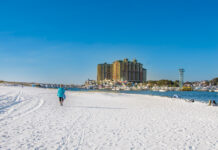
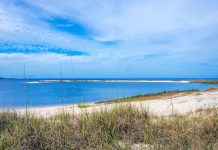
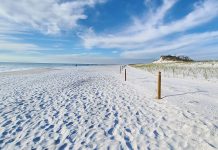
Hanna Park’s beach runs about a mile and a half, with multiple access points along its length and genuinely good, uncrowded stretches compared to the busier towns just south. At the north end, a break known as The Poles has built a real reputation as the premier surf spot in Northeast Florida, producing some of the best, most consistent waves on this stretch of coast year-round.
I want to be direct about who this specific break is for. The Poles is not a beginner spot. If you’re new to surfing, several local schools further south in Atlantic Beach and Jacksonville Beach offer lessons better suited to learning, and you should save The Poles for once you’ve got real experience under you. The rest of the beach, away from that specific break, works well for swimming, sunbathing, and a family day, with seasonal lifeguard coverage at the main access points.
The crowd here splits cleanly, serious surfers checking The Poles at dawn, and a broader, more relaxed beach crowd spread across the rest of the shoreline. My honest take, this beach genuinely feels less crowded than the towns just south of the park entrance, even on a busy weekend, which is part of what makes Hanna Park such a good alternative when Jacksonville Beach itself feels overwhelming.
The 60-Acre Lake
Kayaking, Canoeing & Fishing · No Swimming
On the inland side of the park, a 60-acre freshwater lake offers a genuinely calm counterpoint to the ocean a short walk away. Adventure Kayak Florida operates rentals and guided tours here, including adaptive kayak launches for visitors with limited mobility, and the flat, easy water makes this one of the better beginner paddling spots in this entire guide. Fishing is permitted and popular along the shoreline and from the water itself.
Swimming in the lake is prohibited, a rule worth knowing before you plan your day, since the ocean a short walk away is where actual swimming happens here. The crowd on the lake is relaxed and family-oriented, paddlers working an easy loop, anglers working the shoreline, and campers staying nearby who’ve made the lake part of their daily routine rather than a special outing.
My honest take, rent a kayak here even if paddling isn’t usually part of your beach trip plans. The lake’s calm, shaded water offers a genuinely different pace than the ocean side of the park, and it’s an easy, low-pressure way to spend an hour.
The Trail System & Mountain Biking
20+ Miles · Family-Friendly to Genuinely Technical
Hanna Park’s trail network has built a real reputation in the regional mountain biking community, thanks largely to the North Florida Trailblazers, who built and maintain a single-track system ranging from wide, flat, family-friendly corridors to technical expert terrain with log crossings and steep sections that feel genuinely out of place this close to sea level. A separate 2.7-mile hiking loop, also built by the Trailblazers’ parent Florida Trail Association chapter, winds through maritime hammock, past a freshwater slough, and ends conveniently near the beach for a post-hike swim.
The crowd here splits by ability level about as cleanly as the trails themselves do, serious regional mountain bikers working the technical sections, and families and casual walkers sticking to the easier loops and the beachfront trail. Birders also work this network heavily, since the park has logged over 200 recorded species across its varied habitat.
My honest take, know your skill level before picking a trail section, and don’t assume “Florida flat” means “easy” here. Some of these single-track sections are genuinely challenging, and the terrain surprises people who expect this state’s trails to be uniformly gentle.
The Campground
Nearly 300 Sites · Tents, RVs, and Six Cabins
Hanna Park’s campground is one of the most popular in the Jacksonville area, with sites tucked into wooded terrain and easily accessible by paved roads. Options range from tent sites to full-hookup RV spots to six cabins, plus primitive and group camping for larger parties. A general store and concession, run by Adventure Kayak Florida, sells firewood, ice, and camping basics, and a splash pad and playground round out the family amenities near the day-use areas.
The crowd here runs consistently busy, especially on weekends and holidays, and reviews consistently note this as one of the more complete camping experiences in the region, close to the beach, close to the lake, and shaded well enough to stay comfortable even in summer. Payments for camping reservations are final and non-refundable, so it’s worth being certain of your dates before booking.
My honest take, book well ahead if you want a specific site, especially anything close to the beach. This campground’s combination of ocean access, lake access, and trail access in one property is hard to beat anywhere else in this guide.
Hanna Park Rankings: Expert Scores Across 11 Categories
These scores reflect one of the most complete, multi-use parks in this entire guide, weighed against both its recreational range and the historical weight it carries.
Sand Quality
8/10
Wide, white, quartz-based sand along a mile and a half of shoreline, genuinely comfortable and less trafficked than the beach towns just south.
Hiking & Beach Walking
9/10
More than 20 miles of trails, including a genuinely scenic 2.7-mile loop, make this one of the best trail networks in this entire guide.
Shelling
6/10
Decent along the beach, though this park is far better known for surfing, biking, and camping than for shelling specifically.
Water Conditions
8/10
Genuinely excellent for experienced surfers at The Poles, and comfortable, seasonally lifeguarded swimming elsewhere along the beach.
Scenery & Natural Beauty
8/10
A genuine mix of coastal hammock, live oaks, freshwater lake, and open beach within one compact, easily explored property.
Birding & Wildlife
9/10
Over 200 recorded bird species, alligators and foxes in the interior habitat, and sea turtle nesting on the beach from May through October.
Family Friendliness
9/10
A splash pad, playground, easy trail options, calm lake paddling, and a genuinely complete camping setup make this one of the strongest family destinations in this guide.
Dog Friendliness
8/10
Leashed dogs are welcome on the beach itself, a genuine rarity worth knowing if you’re traveling with a pet.
Solitude & Peace
7/10
Genuinely quieter than the Jacksonville Beaches corridor just south, especially along the trail system and the lake, though the campground and main beach stay busy in season.
Entertainment & Nightlife
2/10
None inside the park itself, aside from event rentals at Dolphin Plaza. Downtown Atlantic Beach and Jacksonville Beach are both a short drive south.
Parking & Beach Access
8/10
A modest five-dollar carload fee covers multiple beach access points, though lots can fill on busy weekends and holidays.
Hanna Park Sand & Water
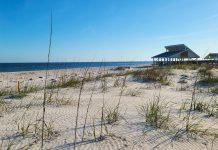
The sand here runs pale, wide, and comfortable along the park’s mile and a half of shoreline, and it stays a bit less compacted than the busier beach towns just south, since fewer feet pass over it day to day. It’s flat and easy to walk for real distance, with enough open beach for a full day’s setup, and it softens up near the dunes for sandcastles once you’ve added some water. This is a genuinely comfortable, uncrowded stretch compared to downtown Jacksonville Beach.
The ocean side splits into two different experiences depending on where you are. Near the north end, at The Poles, the water gets genuinely serious, consistent surf best left to experienced riders. Everywhere else along the beach, conditions run calmer and more typical, with seasonal lifeguards at the main access points and a gradual entry. The inland lake offers a completely different, flat-water experience, though swimming there is prohibited entirely.
-
Walkability. Wide, flat, and comfortable, one of the less crowded stretches of walkable beach in this entire guide.
-
Softness & Playability. Comfortable near the water, softer near the dunes, with plenty of open room for a full day’s setup.
-
Barefoot Comfort. Genuinely comfortable throughout, with minimal shell hazard.
-
Swimmability. Good with seasonal lifeguards at the main beach, real surf at The Poles for experienced riders only. Swimming is prohibited on the lake.
Want the full geology, grain composition, and the complete sand and water condition ratings? I broke it all down separately in Sand & Shore: Kathryn Abbey Hanna Park.
Dogs & Pet Accessibility at Hanna Park
Are Dogs Allowed on the Sand? YES.
Your leashed dog is welcome on the beach in designated areas, a genuine rarity worth knowing if you’re traveling with a pet. This is one of the more dog-friendly stops in this entire guide.
Where Dogs Are Allowed
- ✓Designated beach areas, on a leash.
- ✓The trail system, including the paved loop and the mountain biking single-track.
- ✓The campground, on a leash, throughout your stay.
Where Dogs Are NOT Allowed
- ✗Off leash anywhere in the park, beach included.
- ✗In the lake itself, since swimming there is prohibited for people and pets alike.
Paws on the Ground Reality
The beach here sees enough space and light foot traffic that a leashed dog has genuine room to move without crowding anyone else, and the trail system’s shade makes for a comfortable walk most of the year. Bring your own water regardless, since fountains are sparse away from the main day-use areas. Enforcement feels fair rather than heavy-handed, since this park genuinely welcomes dogs rather than tolerating them.
If you’re camping here, the trail system gives your dog plenty of extra ground to cover beyond the beach itself, a real advantage over parks with only a stretch of sand to offer.
Crowd Levels and the Overall Feel of Hanna Park
The crowd concentrates at the main beach access points near the campground and at The Poles during good surf, while the trail system and the lake both stay genuinely quiet even on busy weekends. The campground itself runs at high occupancy for much of the year.
The overall feel shifts by season and by the surf and nesting calendars:
- Spring: comfortable crowds, strong birding, and good conditions across the trail network
- Summer: the busiest camping season, with sea turtle nesting underway on the beach from May onward
- Fall: my favorite window here, consistent surf at The Poles and thinner crowds throughout the park
- Winter: quiet and cool, with strong conditions for mountain biking and hiking without summer’s heat and humidity
Who Is Hanna Park Really For?
✓ Who Will Love Hanna Park
-
Experienced surfers chasing one of the best breaks in Northeast Florida
-
Mountain bikers and hikers who want a genuinely challenging, well-built trail network
-
Campers who want ocean, lake, and trail access all within one property
-
Families who want a splash pad, easy trails, and calm paddling alongside genuine beach time
-
History-minded visitors who want to understand a genuinely significant, still under-recognized piece of Florida’s African American beach heritage
-
Anyone who wants a quieter beach alternative to the busier Jacksonville Beaches towns just south
✗ Consider Another Beach If…
-
You’re a beginning surfer looking specifically for The Poles. Head to a lesson-friendly spot further south instead
-
You want to swim in the lake. It’s for paddling and fishing only
-
You want restaurants and nightlife within walking distance. Head south into Atlantic Beach or Jacksonville Beach for that
-
You’re planning a spontaneous camping trip without a reservation. This campground books up fast and payments are non-refundable
-
You want flat, easy mountain biking terrain only. Some sections of this trail network are genuinely technical
Things to Do at Kathryn Abbey Hanna Park, Florida
Few parks in this guide offer this much genuine range in one property.
-
Visiting the Manhattan Beach Historical Marker. Located near Beach Access #8, telling the story of Florida’s first African American beach resort.
-
Surfing at The Poles. Northeast Florida’s premier surf break, for experienced riders only, on the beach’s north end.
-
Kayaking, Canoeing & Paddleboarding. Calm, flat water on the 60-acre lake, with rentals and adaptive launches available through Adventure Kayak Florida.
-
Mountain Biking & Hiking. More than 20 miles of trails ranging from family-friendly to technical expert terrain, including a scenic 2.7-mile loop.
-
Camping. Nearly 300 sites across tent, RV, primitive, and group options, plus six cabins.
-
Fishing. Freshwater fishing on the lake and surf fishing along the Atlantic shoreline.
-
Birding. Over 200 recorded species across the park’s varied coastal hammock, lake, and beach habitats.
-
The Splash Pad & Playground. A genuine hit with younger visitors, located near the main day-use areas.
-
Wildlife Watching. Alligators and foxes in the interior habitat, and sea turtle nesting on the beach from May through October.
Local Knowledge and Practical Advice
A few things worth knowing before you plan a visit here:
-
Entry is $5 per carload, or $3 for pedestrians and cyclists. An annual pass is available for $99 if you’ll visit regularly.
-
Find the Manhattan Beach marker at Beach Access #8 before anything else. It’s easy to miss and genuinely important to this park’s full story.
-
Save The Poles for experienced surfing only. Beginners should look toward lesson-friendly spots further south in Atlantic Beach or Jacksonville Beach.
-
Swimming is prohibited in the 60-acre lake. It’s for paddling and fishing only, with the ocean a short walk away for actual swimming.
-
Book camping well ahead, and be certain of your dates. Reservations here are final and non-refundable, and the best sites fill fast.
-
Match your trail section to your actual skill level. This network includes genuinely technical single-track, not just flat, easy corridors.
-
Leashed dogs are welcome on the beach. A genuine rarity worth knowing if you’re traveling with a pet.
-
Respect sea turtle nesting season, May through October. Avoid white light on the beach at night and give marked nests a wide berth.
-
Rent gear on-site through Adventure Kayak Florida. Kayaks and mountain bikes are both available, so you don’t need to haul your own.
-
Pair this trip with the Jacksonville Beaches just south. They’re covered in their own dedicated guide, and it’s an easy combination for a longer stay.
Where to Stay Near Kathryn Abbey Hanna Park, Florida
Camping within the park itself is the main draw, with plenty of nearby options for anyone who wants a different kind of stay.
Hanna Park Campground
Nearly 300 sites across tent, RV, primitive, and group camping, plus six cabins, all within walking distance of both the beach and the lake.
Atlantic Beach & Neptune Beach, South
Hotels, vacation rentals, and Beaches Town Center’s boutique lodging all sit a short drive south, covered in my Jacksonville Beaches guide.
Downtown Jacksonville Beach
For the widest range of hotels and nightlife proximity, downtown Jacksonville Beach sits a bit further south along the same corridor.
Historic Mayport Village, North
Just north of the park, Mayport offers a genuinely different, working-waterfront lodging and dining alternative for anyone who wants fresh seafood alongside their stay.
What Makes Hanna Park Different from Nearby Beaches
Hanna Park stands apart because it combines more genuine recreational range than almost any other single property in this guide, and because it carries a piece of history that very few visitors arrive already knowing about.
A few features make it distinct:
Manhattan Beach’s history, physically underfoot
No other park in this guide sits directly on the site of Florida’s first African American beach resort, a story that predates American Beach by over three decades.
Ocean, lake, and trail in one property
Very few parks in this entire series let you surf, paddle a freshwater lake, and ride genuinely technical mountain bike trails without leaving the same five-dollar entry fee.
Northeast Florida’s premier surf break
The Poles gives this park a legitimate claim to some of the best, most consistent waves on this stretch of coast.
A five-dollar entry fee for this much range
Few destinations in this guide offer this much recreational variety at this genuinely modest a cost.
Hanna Park vs. Other Nearby Beaches
These are the beaches and parks visitors most often weigh against Hanna Park, and the honest read on when you’d choose one over the other.
Hanna Park vs. the Jacksonville Beaches
Jacksonville Beach, Neptune Beach, and Atlantic Beach offer restaurants, nightlife, and a real boardwalk energy. Hanna Park offers a quieter, more outdoors-focused alternative just north.
Hanna Park vs. Little Talbot Island State Park
Little Talbot, further north, offers a more protected, undeveloped wilderness experience without Hanna Park’s surf break, lake, or extensive mountain biking network.
Hanna Park vs. Big Talbot Island State Park
Big Talbot’s driftwood boneyard beach offers a completely different kind of natural spectacle, with none of Hanna Park’s recreational infrastructure or camping.
Hanna Park vs. Amelia Island’s State Parks
Amelia Island’s Fort Clinch and Amelia Island State Park both lean harder into history and shark tooth hunting. Hanna Park leans into surf, mountain biking, and its own distinct, still-emerging historical story.
Bottom line: Kathryn Abbey Hanna Park is the choice for genuine recreational range, surf, lake, trails, and camping, at one of the most affordable entry points in this entire guide. It’s also the place to go if you want to stand on ground that mattered enormously to a community whose story deserves far wider recognition than it currently has.
Kathryn Abbey Hanna Park, Florida: Frequently Asked Questions
What was Manhattan Beach, and where was it located?
Manhattan Beach was Florida’s first beach resort for African Americans, founded around 1900 by Henry Flagler’s railway company for Black employees. It sat on the land that’s now Kathryn Abbey Hanna Park and thrived until American Beach on Amelia Island drew the crowd away in the early 1940s.
How much does it cost to enter Hanna Park?
$5 per carload, or $3 for pedestrians and cyclists. An annual pass is available for $99.
Can you swim in the lake at Hanna Park?
No, swimming is prohibited in the park’s 60-acre lake. It’s reserved for kayaking, canoeing, paddleboarding, and fishing.
Is The Poles surf break good for beginners?
No, it’s considered Northeast Florida’s premier surf spot for experienced riders. Beginners should look toward lesson-friendly breaks further south in Atlantic Beach or Jacksonville Beach.
Can you camp at Hanna Park?
Yes, at nearly 300 sites across tent, RV, primitive, and group camping, plus six cabins. Reservations are final and non-refundable, so book carefully.
Are dogs allowed at Hanna Park?
Yes, leashed dogs are welcome on the beach itself, a genuine rarity among the beaches in this guide.
How many miles of trails does Hanna Park have?
More than 20 miles, ranging from family-friendly corridors to technical mountain biking terrain, plus a dedicated 2.7-mile hiking loop.
Is Hanna Park a state park?
No, it’s a City of Jacksonville park, though it’s part of one of the largest urban park systems in the country.
Is Hanna Park good for families?
Yes, genuinely one of the strongest family destinations in this guide, with a splash pad, playground, easy trails, calm lake paddling, and a complete campground.
How far is Hanna Park from downtown Jacksonville?
About 20 miles, roughly a 30 to 35 minute drive.
Patti’s Perspective: My Honest Take on Kathryn Abbey Hanna Park
The rest of the park gave me a completely different, lighter kind of energy. Watching surfers work The Poles at sunrise, paddling the lake on a still morning, riding a section of trail technical enough to genuinely surprise me, all of it reminded me why this park has earned such a devoted local following. Very few places in this guide let you do this much in one visit for this little money.
My honest caveat, don’t let the surf and the trails be the whole story of your visit. Find the marker. Read it standing on the actual beach. Let both halves of this place sit with you at the same time.
Want to Live by the Water?The area near Kathryn Abbey Hanna Park offers a quieter, more outdoors-oriented alternative to the busier Jacksonville Beaches corridor just south, with the park’s protected status helping preserve the low-density character of this specific stretch of coast.The market here draws buyers who want proximity to genuine recreation, surfing, mountain biking, paddling, and camping, alongside easy access to Atlantic Beach and Mayport’s more traditional neighborhoods. As awareness of the Manhattan Beach history grows, this stretch of coast carries an added layer of significance that continues to shape how the community understands its own past.If living near this kind of historically significant, recreation-rich coastline is something you’re considering, it’s worth exploring what’s available in this area.Explore Waterfront Living at LiveByTheWater.com
Real estate referral partner