




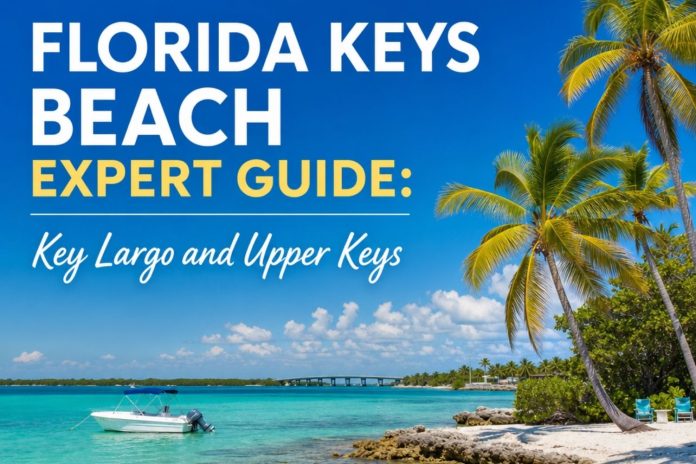
Florida Keys Beaches: Key Largo to Marathon
I grew up boating in these waters, and I am going to tell you something the postcards will not. From Key Largo down through Marathon, the beach was never the reason anyone came to the Keys. The reef was. The water was. If you are driving the Overseas Highway expecting long stretches of soft sand, you are going to be disappointed at almost every stop between mile marker 106 and mile marker 47. But if you know what you are actually looking at, and why it looks that way, these small pocket beaches become something else entirely: honest rest stops with real character, real wildlife, and some of the calmest water in Florida.
This guide covers the string of small public beaches between Key Largo and Marathon, roughly mile marker 92 down to mile marker 50: Harry Harris Park, Founders Park and Library Beach in Islamorada, Anne’s Beach, Curry Hammock State Park, Coco Plum Beach, and Sombrero Beach. None of these are the destination beaches of a Florida vacation. All of them are worth knowing about, and I will tell you exactly why each one earns its stop, or does not, depending on what you are after that day.
For beaches with actual white sand and real elbow room, I send people to Bahia Honda State Park further south, which gets its own guide because it deserves one. This one is about the honest, unglamorous, genuinely useful beaches that break up the drive and give you somewhere to swim, walk a dog, or watch a sea turtle nest between snorkel trips.
The Vibe and Culture Along the Upper and Middle Keys
Roadside Stops, Not Destinations
Every one of these beaches sits a few hundred feet off US 1, and every one of them was built or maintained by a city or county that knew exactly what it was working with.
The Florida Keys are a coral rock archipelago, not a barrier island system, which means there was never a natural sand-delivery mechanism here the way there is on Florida’s Gulf and Atlantic coasts. The Keys themselves are exposed ancient coral reef and limestone, and the living reef offshore blocks the wave action that would otherwise carry sand to shore. What sand you find at most of these stops was trucked in, and most of the parks that maintain it have to replenish it every few years after storms strip it back out. I am not saying this to talk the beaches down. I am saying it because once you understand it, you stop expecting Destin and start appreciating what is actually here: genuinely calm water, real wildlife, and a slower version of the Keys than the one you see from a boat.
The culture along this stretch is small-town and functional. Tavernier and Islamorada run toward sportfishing charters, tackle shops, and a party history that has mellowed considerably since I used to spend my young adult years at the bars around mile marker 82. Marathon feels more like a working island town, with a Publix, a high school, and neighborhoods that back right up to Sombrero Beach Road. None of these places are built around a beach club scene. They are built around the water itself, in boats, on paddleboards, or snorkeling over a reef that has nothing to do with the sand on shore.
Season moves differently here than it does on the mainland. Winter and early spring bring the snowbirds and the driest, calmest weather, which is also when the water is clearest for snorkeling. Summer is hot, buggy in the mangrove areas, and prone to afternoon thunderstorms that roll through fast and clear out just as quickly. Sea turtle nesting season runs roughly April through October along this entire stretch, and you will see roped-off sections on more than one of these beaches if you visit between those months. Hurricane season, June through November, is the one stretch where I tell people to watch the forecast closely, since these small parks are the first things to get pounded and the last things to get fully repaired.
The Beaches, Mile Marker by Mile Marker
Here is every stop worth knowing about between Key Largo and Marathon, in the order you will hit them driving south, with my honest read on each one.
Harry Harris Park
Tavernier, Key Largo · MM 92.5 Oceanside
The first thing you notice pulling into Harry Harris Park is that it does not look like a beach from the parking lot, and that is because it barely is one. This is a 21-acre county park built around a small, man-made swimming lagoon protected by a coral rock barrier with screened culverts, more of a tidal pool than an open beach. The sand here is a narrow strip, imported and maintained by Monroe County, and the water inside the barrier stays calm enough that you could set a toddler down in it without a second thought.
The crowd is almost entirely local families and residents who know exactly what this park is for. You will see kids on the two ball fields, people fishing off the jetty on the ocean side, and a steady rotation of picnic groups working the covered pavilions. It rarely feels crowded even on a weekend, partly because most visitors driving through the Keys do not know it exists, and partly because it genuinely is not built for a beach day the way you are picturing one.
I stop here when I want a quiet walk and a place to let a dog wade without fighting current, not when I want to lay out a towel. The swimming basin is fine for small kids, but if you are looking for open water and real sand, keep driving. Non-residents pay a vehicle fee on weekends and holidays, and the boat ramp here is a genuinely useful, deep-water launch point if you are heading out toward the reef.
Founders Park and Library Beach
Islamorada · MM 87 Bayside and MM 81.5 Bayside
These two Islamorada village parks sit on Florida Bay rather than the Atlantic, and both are small, shallow, and calm enough that the ocean side of the Keys feels like a different world entirely once you are standing in the water. Founders Park is the bigger of the two, a 45-acre complex with an Olympic-size pool, tennis and pickleball courts, and a manicured shallow-water swimming beach with tiki huts and a sand volleyball court. Library Beach, tucked behind the Islamorada Library at mile marker 81.5, is smaller and quieter, a narrow strip of sand on a tidal channel that is genuinely good for snorkeling because of how shallow and clear the water sits.
Founders Park draws a resident and lodging-guest crowd, since there is a non-resident entry fee and dogs are not permitted anywhere on the property. Library Beach pulls a different, more low-key crowd, mostly local families with young kids taking advantage of the shade and the calm channel water, and it rarely gets crowded because so few visitors know to look for it behind a public library.
If you have kids who want a real pool along with beach access, Founders Park is worth the fee. If you just want ten free, quiet minutes in clear water with your feet in the sand, Library Beach is the better call, and it is the one I actually stop at more often.
Anne’s Beach
Islamorada, Lower Matecumbe Key · MM 73.5 Oceanside
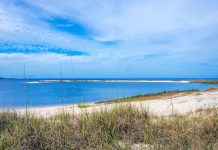
Anne’s Beach is the one stop on this stretch that genuinely earns the word beach, and it does it in a completely different way than you would expect. A 1,300-foot boardwalk winds through mangroves connecting two parking lots, and at low tide it opens onto a wide, shallow sand flat that you can wade out into for what feels like a hundred yards without the water ever getting past your knees. There is very little wave action here, since the mangroves and the shallow flat block almost everything the Atlantic tries to send in.
Families with small kids are the dominant crowd, along with kiteboarders taking advantage of the consistent wind and the wide, obstruction-free shallow water. I have watched more first-timers learn to kiteboard here than anywhere else in the Upper Keys. Six covered pavilions line the boardwalk, and on a weekday morning you can usually claim one without a fight, though weekends bring a steady stream of day-trippers who have heard this is the closest thing to a real sandy beach in Islamorada.
The beach is named for Anne Eaton, a local environmentalist who fought to keep this stretch preserved rather than developed, and I think about that every time I walk the boardwalk. This is one of the only rare, naturally occurring sand beaches left in this part of the Keys, not an imported strip, and that is worth knowing before you write it off as just another mangrove wade-in.
Curry Hammock State Park Beach
Fat Deer Key, Marathon · MM 56.2
Curry Hammock is the largest undeveloped stretch of land left between Key Largo and Big Pine Key, and most people who have heard of it only know it as a campground. The day-use beach is easy to miss for that reason, but it runs about 1,200 feet along the Atlantic side, with coarse, calcareous sand and water that stays shallow for a genuinely long way out. A playground sits right behind the beach, and a kayak launch accesses a 1.5-mile paddling trail that loops through a mangrove tunnel around Little Crawl Key.
The crowd here skews toward campers, paddlers, and the small number of day visitors who actually know the beach exists separate from the campground. It almost never feels crowded, even in season, and if you are patient enough to wear closed-toe shoes on the fossilized coral underfoot, the 1.5-mile nature trail through the rockland hammock is one of the better short walks on this whole stretch. Fall migration, roughly August through November, turns this park into a serious birding stop, with hundreds of peregrine falcons and merlins counted overhead during the Florida Keys Hawkwatch.
I will be straight with you: the beach itself is not the draw. Sargassum piles up here more than it does at some of the maintained city beaches, and the sand is coarser underfoot than Sombrero’s. But the quiet, the birding, and the mangrove tunnel kayak route make this one of my favorite stops for a slower morning, and the state park entrance fee gets you all of it, not just the sand.
Coco Plum Beach
Marathon · MM 54, off Coco Plum Drive
Coco Plum is the closest thing to an actual natural beach you will find in Marathon, backed by a real wetland rather than a manicured park lawn. The sand is coarser and less uniform than Sombrero’s, the palm trees provide genuine shade, and the Atlantic breeze here runs steady enough that local kitesurfers treat it as a regular launch point. Parking is informal, directly on the sand near the entrance, and the whole place has a slightly rougher, more local feel than the more polished city beaches nearby.
This is Marathon’s most dog-friendly beach, open to leashed dogs year-round, which sets it apart from Sombrero’s seasonal turtle-nesting restrictions. The crowd tends to be locals walking dogs, a handful of kitesurfers, and paddlers launching toward Curry Hammock or Deer Key. It is rarely busy, and I have had entire mornings here without seeing another person on the sand.
If you are traveling with a dog and want an actual beach rather than a fenced dog park, this is where I send you. It is also a turtle nesting beach in season, so expect roped-off sections between April and October, and respect them completely.
Sombrero Beach
Marathon · MM 50, end of Sombrero Beach Road
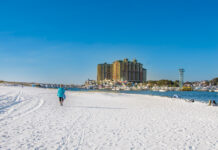
Sombrero Beach is the one beach on this entire stretch that most people would recognize as a real beach without an asterisk. The sand is soft and clean, genuinely maintained by the city, and the water is some of the deepest, calmest swimming water you will find anywhere in the Keys, protected by its position near Sombrero Reef. This is where I send anyone who tells me they just want a normal beach day between snorkel trips.
The crowd here is a real mix: young families from Miami on a long weekend, local teenagers after school, retirees walking the accessible paths, and volunteers running turtle patrol during nesting season. It gets busy on weekends and holidays, especially in the shaded pavilion area, so I tell people to arrive before ten if a covered spot matters to you. Parking is now metered rather than free, a change from a few years back, so bring a card.
This is loggerhead turtle nesting ground from April through October, and the city takes it seriously, with roped-off nests you are legally required to leave alone. The Turtle Hospital in Marathon occasionally schedules public sea turtle releases right here on the sand, and if you can time a visit around one, it is worth doing. Of every beach between Key Largo and Marathon, this is the one that actually functions the way you picture a Florida Keys beach functioning.
Upper and Middle Keys Beaches: Expert Scores Across 11 Categories
These scores reflect the honest character of this whole stretch, small, mostly imported sand, exceptional water, and wildlife that outperforms the shoreline itself.
Sand Quality
4/10
Coarse, calcareous, mostly trucked in and periodically replenished. Anne’s Beach is the rare natural exception. Do not come to this stretch chasing powdery sand.
Hiking & Beach Walking
5/10
Short boardwalks and small parks rather than long open shoreline. Anne’s Beach and Curry Hammock’s nature trail are the standouts for an actual walk.
Shelling
5/10
Modest and inconsistent, best after a storm. Anne’s Beach and Coco Plum turn up the most, but none of these are dedicated shelling stops.
Water Conditions
8/10
Calm, shallow, and protected almost everywhere on this stretch. This is the real strength of these beaches, not the sand.
Scenery & Natural Beauty
6/10
Mangroves, Florida Bay light, and the old bridge remnants give this stretch real character, even without postcard sand.
Birding & Wildlife
8/10
Loggerhead nesting on multiple beaches, the fall hawk migration at Curry Hammock, and ospreys and herons throughout. This is where these beaches genuinely shine.
Family Friendliness
8/10
Shallow, protected water at nearly every stop makes this one of the safer stretches in the Keys for small children.
Dog Friendliness
6/10
Coco Plum and Sombrero welcome leashed dogs, Anne’s Beach allows them on the boardwalk, but Founders Park and Curry Hammock’s beach do not.
Solitude & Peace
6/10
Harry Harris, Library Beach, and Curry Hammock stay quiet most days. Sombrero and Anne’s Beach get real crowds on weekends and holidays.
Entertainment & Nightlife
3/10
These are day-use parks, not a scene. Islamorada’s restaurant and bar strip is nearby, but not attached to any of these beaches directly.
Parking & Beach Access
6/10
Mostly easy and free, though Sombrero is now metered and Founders Park charges non-residents. Curry Hammock and Pennekamp-area lots fill on weekends.
Key Largo to Marathon Sand & Water
The sand along this stretch is honest, unglamorous, and mostly maintained or trucked in by the cities and counties that look after these small parks. It runs flatter and narrower than a real destination beach, softer on the upper stretch at spots like Anne’s Beach and Coco Plum, firmer and a little coarser at the waterline almost everywhere else. You can build a sandcastle here once you add water, and the maintained city beaches like Sombrero give you a genuinely easy, flat surface for walking, playing, or just setting up a chair for the afternoon.
The water is where this stretch actually earns its keep. On a calm day it runs turquoise to pale green over shallow sand and grass flats, with good clarity most mornings before wind and boat traffic pick up. Entry is gradual at every single stop on this list, no steep drop-offs, no real surf, since nearly everything here sits protected inside Hawk Channel. The only real caution is wind direction, since a stiff breeze pushes sargassum onto the Atlantic-facing beaches fast, and none of these beaches carry lifeguards, so keep a close eye on kids regardless of how calm it looks.
-
Walkability. Flat and easy at the maintained beaches like Sombrero and Coco Plum. Good for a long walk without fighting the terrain.
-
Softness & Playability. Soft enough for sandcastles once you add water, especially at Anne’s Beach. Firmer and coarser at the waterline almost everywhere on this stretch.
-
Barefoot Comfort. Genuinely comfortable at Sombrero and Anne’s Beach. Rougher at Curry Hammock and Coco Plum, where water shoes earn their keep.
-
Swimmability. Calm, shallow, and gradual at every stop, best at Sombrero for real swimming depth. No lifeguards anywhere, so treat every swim as your own responsibility.
Want the full geology, grain composition, and the complete sand and water condition ratings for every beach on this stretch? I broke it all down separately in Sand & Shore: Key Largo to Marathon.
Dogs & Pet Accessibility From Key Largo to Marathon
Are Dogs Allowed on the Sand? RESTRICTED.
It depends entirely on which stop you pick along this stretch. Some of these beaches genuinely welcome your dog on the sand, and a couple do not allow one anywhere near the water.
Where Dogs Are Allowed
- ✓Coco Plum Beach, Marathon’s most dog-friendly stop, with leashed dogs welcome on the sand year round.
- ✓Sombrero Beach, leashed dogs allowed on the sand, though marked sea turtle nests are strictly off limits regardless of the leash.
- ✓Anne’s Beach, leashed dogs welcome on the boardwalk and on the sand.
- ✓Harry Harris Park, leashed dogs welcome throughout the park, including wading in the protected swim lagoon.
Where Dogs Are NOT Allowed
- ✗Founders Park, dogs are not permitted anywhere on the property, beach included.
- ✗Curry Hammock State Park’s day-use beach, leashed dogs are welcome in the campground and picnic areas but not on the sand itself.
Paws on the Ground Reality
Bring your own water for your dog at nearly every stop on this list. Coco Plum and Sombrero have outdoor showers meant for people, not water bowls, and the smaller pocket parks like Harry Harris and Anne’s Beach have no pet water at all. The ground itself runs coarser than a mainland beach, small shell and coral fragments mixed through the sand, and it holds heat fast in the middle of the day, so early morning or late afternoon is kinder on paw pads than a midday visit.
Enforcement is genuinely strict around marked sea turtle nests and casual almost everywhere else, but a leash is still the rule at every beach on this list, not a suggestion. If you want a real walk rather than a splash and a sit, Curry Hammock’s 1.5-mile nature trail through the hammock is leashed-pet friendly and gives you a proper stretch of the legs without needing beach access at all. Library Beach in Islamorada does not post a clear policy either way, so keep the leash on and use good judgment given how small that space is.
Crowd Levels and the Overall Feel From Key Largo to Marathon
This stretch reads very differently depending on the day of the week and the season. Weekday mornings, especially outside of spring break and summer, most of these beaches sit close to empty, used mainly by residents, retirees, and the occasional camper from Curry Hammock. Weekends bring a real bump, especially at Sombrero and Anne’s Beach, both of which pull day-trippers up from Miami and down from the rest of the Upper Keys.
The seasonal pattern along this stretch follows the rest of the Keys closely, though it runs a notch quieter than Key West or the more famous Panhandle beaches:
- Winter and early spring: the busiest window, driest weather, clearest water, and the season most snowbirds choose for a long stay
- Spring break: a real bump at Sombrero and Anne’s Beach specifically, though nothing close to Key West’s crowds
- Summer: hot, humid, and prone to fast afternoon storms, with sea turtle nesting restrictions in effect on multiple beaches
- Fall: my favorite window here, warm water, thinning crowds, and the Curry Hammock hawk migration in full swing
Who Is This Stretch Really For?
✓ Who Will Love These Beaches
-
Families with small kids who want shallow, calm, safe water rather than real surf or a deep drop-off
-
Anyone driving the Overseas Highway who wants a real place to stretch their legs and swim, not just a gas station stop
-
Birders and wildlife watchers, especially during loggerhead nesting season and the fall hawk migration at Curry Hammock
-
Kiteboarders and beginners chasing steady wind and wide, obstruction-free shallow water at Anne’s Beach or Coco Plum
-
Dog owners looking for an actual beach, not a fenced dog park, especially at Coco Plum
-
Anyone who wants to understand the Keys honestly before spending real money on a boat trip to the reef
✗ Consider Another Beach If…
-
You want soft, powdery, postcard sand. Head to Bahia Honda instead, it is the real thing down here
-
You want nightlife or a beach bar scene attached to the sand. This stretch is day-use parks, not a scene
-
You are a serious sheller chasing volume. These beaches turn up modest finds at best
-
You want real surf or wave action. This entire stretch sits inside protected, nearly flat water
-
You are only interested in the beach itself and not what is happening in the water around it. If that is you, the reef trips and snorkeling matter more here than the sand ever will
Things to Do From Key Largo to Marathon Beyond the Sand
This stretch rewards people who treat the beach as a home base rather than the whole day. Here is what actually fills the time between mile marker 92 and mile marker 50.
-
Kiteboarding and Windsurfing. Anne’s Beach and Coco Plum are the two real launch points, with steady wind and wide, shallow, obstruction-free water ideal for beginners as well as experienced riders.
-
Kayaking and Paddleboarding. Curry Hammock’s 1.5-mile mangrove tunnel loop around Little Crawl Key is the standout paddle on this stretch, with dolphins, manatees, and horseshoe crabs a regular sighting.
-
Sea Turtle Watching. Sombrero and Coco Plum are both active loggerhead nesting beaches from roughly April through October. The Turtle Hospital in Marathon occasionally schedules public releases right on Sombrero’s sand.
-
Birding. Curry Hammock hosts the Florida Keys Hawkwatch every fall, with hundreds of peregrine falcons and merlins counted overhead. Ospreys, herons, and pelicans are a constant presence at every beach on this stretch.
-
Short Nature Walks. Curry Hammock’s 1.5-mile nature trail through rockland hammock and Anne’s Beach’s boardwalk through the mangroves are the two real walking routes here, both easy and both worth the time.
-
Fishing. Harry Harris Park’s jetty and boat ramp, plus shore fishing at nearly every stop on this list, give you real access without a charter.
-
Camping. Curry Hammock State Park runs an oceanfront campground with only 24 reservable sites, genuinely difficult to book and worth the effort if you can plan far enough ahead.
-
Snorkeling From Shore. Library Beach’s shallow, clear channel water is genuinely good for a first snorkel, and Curry Hammock’s shoreline turns up horseshoe crabs and small reef fish in calm conditions.
Local Knowledge and Practical Advice
A few things I have picked up driving this stretch more times than I can count:
-
Go early if you want a quiet beach experience anywhere on this stretch. Wind picks up by midday almost everywhere, which stirs up water clarity and brings the crowds out with it.
-
Bring water shoes for every stop except Sombrero and Anne’s Beach. Fossilized coral and shell fragments sit close to the surface at Curry Hammock and Coco Plum specifically, and a good pair of reef shoes will save your feet for the rest of the trip.
-
Sombrero Beach parking is metered now, not free. Bring a card, since cash is not reliably accepted at the kiosks.
-
If you are traveling with a dog, go to Coco Plum, not Sombrero. Coco Plum welcomes leashed dogs year round, while Sombrero restricts them seasonally around turtle nesting.
-
Respect every roped-off section without exception. Sea turtle nests are protected by law on this entire stretch, and Marathon and Islamorada both take enforcement seriously.
-
Check wind direction before you pick a beach for the day. A stiff east wind pushes sargassum straight onto the Atlantic-facing beaches, and Florida Bay side spots like Founders Park stay cleaner on those days.
-
None of these beaches have lifeguards. Treat every swim as your own responsibility, especially with kids in the water.
-
Bring your own sunscreen and drinking water to every stop. Concessions are limited to nonexistent at most of these small parks, unlike the more built-out beaches further south.
-
Book Curry Hammock’s campground eleven months out if you want oceanfront. With only 24 reservable sites, it fills the moment the booking window opens.
-
Do your shelling right after a storm passes, not during peak season. A calm morning following an overnight blow is when Anne’s Beach and Coco Plum turn up the most.
Where to Stay From Key Largo to Marathon
This stretch runs nearly seventy miles, so where you stay depends heavily on which beaches you actually plan to use.
Islamorada Resorts and Marinas
Properties along US 1 near Anne’s Beach and Founders Park put you within a short drive of the sportfishing and diving culture Islamorada is known for. Several resorts here offer bayfront sunset views and their own small docks, worth checking if you plan to bring a boat.
Marathon Waterfront Resorts
Isla Bella Beach Resort and other properties near Sombrero Beach Road put you walking or biking distance from Sombrero and Coco Plum both. This is the most convenient home base if those two beaches are your priority.
Curry Hammock State Park Camping
The park’s oceanfront campground is genuinely one of the best camping values in the Keys, with beach access less than a minute’s walk from nearly every site, though only 24 sites are reservable and they book far in advance.
Lower-Cost Motels Along US 1
Older, independently run motels between Tavernier and Marathon offer noticeably lower rates than the resort properties, without direct beach access but within a short drive of every stop in this guide.
What Makes This Stretch Different From Other Florida Beaches
This is not a sand destination, and pretending otherwise does visitors a disservice. What actually sets it apart is worth naming directly.
The reef, not the shore, is the real feature
Every beach on this stretch exists in the shadow of the living coral reef offshore, which is both why the sand is thin and why the water is so calm and clear. The beach is the rest stop. The reef is the destination.
Calcareous sand instead of quartz
Nothing here looks or feels like Panhandle or Space Coast sand, because it is built from an entirely different mineral source. Once you understand that, the coarser texture stops feeling like a flaw and starts feeling like a fact about where you are.
Loggerhead nesting on working city beaches
Unlike more remote nesting beaches elsewhere in Florida, sea turtles nest on beaches that are actively used for swimming and picnicking here, which makes the seasonal roped-off sections a genuinely visible, everyday part of visiting.
This Stretch vs. Other Florida Keys and Florida Beaches
vs. Bahia Honda State Park
Bahia Honda has the real, natural white sand this stretch mostly lacks, plus far more room to spread out. Choose this stretch for a quick, free roadside stop. Choose Bahia Honda when the beach itself is the plan for the day.
vs. Key West Beaches
Key West’s beaches carry more energy, more amenities, and more history within walking distance, but they share the same imported-sand reality as this stretch. Choose Key West for a full beach day with a city attached. Choose this stretch for quiet and wildlife.
vs. Key Biscayne and Crandon Park, Miami
Crandon Park has wider, better-maintained sand and real amenities, closer to home if you are coming from South Florida. Choose the Keys for the water clarity and the reef access you simply cannot get in Miami.
vs. Sanibel and Captiva, Gulf Coast
If serious shelling is the goal, skip this stretch entirely and go to Sanibel. Nothing in the Keys competes with the Gulf Coast for shell variety and volume.
Bottom line: This stretch is not competing with Florida’s great sand beaches, and it should not try to. It wins on water clarity, wildlife, and honest, uncrowded access between reef trips. Come here expecting exactly that, and you will leave satisfied every time.
Key Largo to Marathon Beaches: Frequently Asked Questions
Are there any good beaches between Key Largo and Marathon?
Good is relative here. None of these beaches have the wide, soft sand you would find further south at Bahia Honda, but Sombrero Beach and Anne’s Beach both deliver a genuinely enjoyable, calm-water beach day, and every stop on this stretch is worth knowing about for what it actually offers.
Why is the sand in the Florida Keys different from the rest of Florida?
Florida Keys sand is calcareous, built from broken coral and shell rather than the quartz that forms Panhandle and Atlantic coast beaches. The living reef offshore also blocks the natural wave action that would deliver sand to shore, which is why so many Keys beaches are man-made or supplemented with imported sand.
Which beach on this stretch is best for young kids?
Anne’s Beach and Founders Park both offer shallow, calm, protected water that is genuinely safe for small children to wade in, and Harry Harris Park’s swimming lagoon is fully enclosed by a rock barrier.
Are dogs allowed on these beaches?
It varies by beach. Coco Plum welcomes leashed dogs year round, Sombrero and Anne’s Beach allow them with seasonal turtle nesting restrictions, and Founders Park and Curry Hammock’s beach do not allow dogs at all.
Is Sombrero Beach parking free?
No, parking at Sombrero Beach is metered, roughly five dollars per hour for the first two hours with a lower rate after that. Bring a card, since the kiosks do not reliably accept cash.
When is sea turtle nesting season in the Florida Keys?
Roughly April through October, with loggerhead turtles the primary nesting species on this stretch. Sombrero Beach and Coco Plum Beach are both active nesting sites, and roped-off nest areas are protected by law.
Where is the best snorkeling on this stretch of beach?
Library Beach in Islamorada offers genuinely good shallow, clear water for a first snorkel, but the real reef snorkeling in this region happens offshore via boat, not from any beach on this list.
Is Curry Hammock State Park worth visiting if I am not camping?
Yes, for the mangrove tunnel kayak route and the fall hawk migration specifically. The day-use beach itself is a secondary reason to visit.
What is the best time of year to visit these beaches?
Late fall through early spring offers the driest weather and clearest water, with fall bringing the added bonus of the Curry Hammock hawk migration and noticeably thinner crowds than winter’s peak season.
Do any of these beaches have lifeguards?
No. None of the beaches covered in this guide have lifeguards on duty. Swim at your own risk and keep a close eye on children at every stop.
Patti’s Perspective: My Honest Take on This Stretch
I grew up boating in these waters long before I ever thought about writing a word about them, and I can tell you with total honesty that nobody I knew back then picked a spot in the Keys because of the beach. We picked it because of what was under the water. Swimming above the reef for the first time as a kid is still one of my clearest memories of this place, and I think that early lesson is exactly why I can walk up to a small, coarse-sand park like Harry Harris or Curry Hammock now and still find something worth writing about, instead of measuring it against a beach it was never trying to be.
I spent plenty of my young adult years around the bars near Islamorada, back when that stretch had a rowdier, more party-driven reputation than it carries today. Coming back through as an adult, walking Anne’s Beach’s boardwalk instead of driving past it, felt like watching a place grow up alongside me. That boardwalk, the low tide sand flat stretching out further than you would expect, is genuinely one of my favorite quiet stops on the entire Overseas Highway now.
My honest caveat, and I will say this every time someone asks me about Keys beaches: if soft sand and a wide shoreline are what you are chasing, this stretch will let you down, and I would rather tell you that upfront than have you find out standing on Harry Harris Park’s narrow strip wondering where the real beach went. Come here instead for the calm water, the turtle nests, the mangrove paddle at Curry Hammock, and the honest, unpolished version of the Keys that most people drive straight past on their way to somewhere louder.
My verdict: 6/10. Not a sand destination, and it should never be sold as one. What you get instead is calm, clear water, real wildlife, and small honest parks that break up the drive exactly when you need them to. Sombrero Beach and Anne’s Beach are worth planning a stop around. The rest are worth knowing exist, for exactly the moment you need them.
Want to Live by the Water?The Upper and Middle Keys offer some of the most established waterfront communities in South Florida, from Islamorada’s sportfishing lifestyle to Marathon’s more working-island character, with homes ranging from canal-front properties to open-water bayfront lots.The market here draws retirees, boat owners, remote workers, and second-home buyers who value direct water access over walkable beach sand, which is honestly how most longtime Keys residents think about the water anyway. Pricing varies enormously between Islamorada’s higher-end sportfishing properties and Marathon’s more moderate working-town market.If living on the water is something you are considering, whether full time, part time, or as an investment, it is worth exploring what is available in this area.Explore Waterfront Living at LiveByTheWater.com
Real estate referral partner