

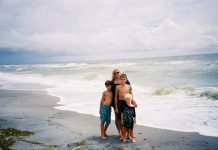



Honeymoon Island State Park, Florida
Honeymoon Island does something rare in Florida: it delivers an accessible, drive-in beach day that still feels genuinely wild. Four miles of Gulf shoreline, one of the last virgin slash pine forests in South Florida, a dedicated dog beach, and a ferry to Caladesi Island waiting at the south end. This is the state park that shows up consistently at the top of best-of lists, and the trees and osprey nests along the trail are the reason most people never saw coming.
This is Honeymoon Island State Park, located at the western end of the Dunedin Causeway at No. 1 Causeway Blvd in Dunedin. Entry costs $8 per vehicle for up to eight people, $4 for single-occupant vehicles, and $2 for pedestrians and cyclists. The park is open 8am to sundown every day of the year.
The island gets its name from a 1940s marketing campaign in which a New York developer built 50 palm-thatched honeymoon bungalows and promoted them through a Life magazine contest. The thatched huts are long gone. What remains is a state park that draws over a million visitors a year and still manages to feel like the kind of place that is worth stopping for: the osprey nests are visible from the trails, the gopher tortoises lumber across the path in front of you without breaking stride, and the North Beach shelling is the kind of productive that surprises first-timers who came expecting a standard beach day.
In this guide I cover every distinct stretch of Honeymoon Island, from the main pavilion beach to the rocky North Beach and the pine forest interior, score it honestly across 11 categories, and tell you exactly who this park is built for and who might be happier somewhere else. I close with my own take on what makes Honeymoon Island different from every other accessible Gulf beach on this coast.
The Vibe and Culture at Honeymoon Island State Park
Natural Character, Beach Convenience, and a Pine Forest Nobody Expected
Honeymoon Island is proof that a state park can draw over a million visitors a year and still maintain the kind of natural character that makes the visit feel worthwhile.
Cross the Dunedin Causeway and the island announces itself differently from most Florida beach parks. The entry road cuts through pinelands before it opens to the beach, and the osprey nests visible in the treetops along the first stretch of road tell you something about what kind of place this actually is. Honeymoon Island has one of the last remaining virgin slash pine forests in South Florida growing on its northeastern half, and the contrast between that shaded, wildlife-rich interior and the open Gulf beaches on the western shore is more dramatic than most visitors expect from a park this close to a major urban corridor.
The crowd here is genuine in its range. Families with small kids claiming spots near the main pavilions with their coolers and umbrellas. Dog owners making the longer walk down to the south end pet beach. Serious shellers starting their day at North Beach before the parking lots fill. Kayakers launching from the sound side toward Caladesi Island. Birders working the Osprey Trail in the early morning before the beach crowd fully arrives. There is room for all of them, and on the four miles of shoreline and 2.5 miles of nature trails you can find a version of Honeymoon Island that fits what you came for.
The island itself has a geologically interesting history. A 1921 hurricane created the channel that separated it from what is now Caladesi Island to the south. In 1969, the southern shoreline was artificially widened when 1.5 million cubic yards of limestone and dredged quartz were added to extend the beach. That fill material explains why the South Beach has a different feel and character than the northern end, where the shoreline has evolved more naturally over thousands of years. The 2024 hurricane season caused significant damage to the park, but by winter of 2025-26 the park was fully operational with all bathhouses, amenities, and trails reopened.
Honeymoon Island Beach Areas: Six Distinct Stretches
Honeymoon Island is not one beach. It is a spectrum of six distinct environments along a four-mile shoreline, and most visitors who park at the first lot they see only experience one of them.
South Beach and the Main Pavilion Area
Main Family Beach · Cafe Access · Seasonal Lifeguards
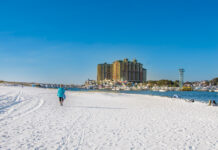
The main pavilion area is where most first-time visitors land, and it delivers the most complete, amenity-supported beach experience on the island. You’ll find two pavilions here with Cafe Honeymoon operating from 10am to 5pm, serving food and, uniquely for a Florida state park, beer and wine. Beach wheelchairs are available at no charge through the ranger station. Seasonal lifeguard coverage applies here, making it the most family-ready stretch of the island for swimming.
The sand on South Beach has been shaped significantly by the 1969 artificial fill project, which added limestone and dredged quartz to widen the southern shoreline. The result is a beach that is softer and wider than the northern sections in some areas, but more variable in texture and less consistent underfoot than the natural north shoreline. It can also be the most wave-eroded section on the island. The water here is generally calm with a gradual entry that works well for children and less confident swimmers.
I walked in here on a January weekday and had a long stretch of this beach almost entirely to myself before 10am, which is about the time the parking lots start filling. The causeway drive at dawn, with the sun coming up over St. Joseph Sound to the east and the Gulf of Mexico visible ahead, is one of those arrival moments I keep coming back to on this coast. The South Beach gives you the easiest version of Honeymoon Island. Start here to get your bearings, then move north for the parts most people miss.
Oasis Beach
Middle Island · Often the Last Lot to Fill · Good Swimming
Oasis Beach sits in the middle stretch of the island between the south pavilion area and North Beach, and it has a reputation among locals for being the last parking lot to fill on busy weekends. That detail alone is worth knowing. The beach here is slightly wider than some of the northern sections and the crowd is a mix of the family beach crowd from the south and the shelling crowd from the north, without fully being either.
The water at Oasis Beach runs clear and typically calm, with the same gradual Gulf entry you get across most of the western shoreline. You’ll notice the character of the sand here is transitioning, slightly firmer and less fill-influenced than the south but not yet the rocky, shelly composition of North Beach. This is a good middle-ground spot for a family that wants some shelling opportunity without committing to the more variable conditions of the north end.
Pavilion 3 at Oasis Beach is bathroom access and a covered outdoor venue area. No cafe here, so plan your food and drink accordingly. I find Oasis Beach to be the best low-stress alternative to the more crowded south pavilion area on a busy spring or summer weekend. If the south lot is full when you arrive, keep driving.
North Beach
Shelling Ground · Rocky Character · Surfing Allowed
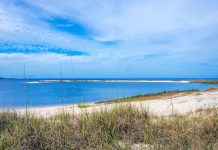
North Beach is where Honeymoon Island shows its most geologically interesting face. The northern shore of the island developed more naturally than the artificially filled south end, and the result is a beach with character that changes noticeably as you walk: sections of soft sand giving way to exposed limestone cobbles, shell accumulation along the wrack line, and a rougher, more textured surface underfoot that rewards the people who came specifically for the shelling. Surfing is allowed in the north end area near Bathhouse 3, making it the only designated surfing zone on the island.
The shelling here is the best on Honeymoon Island and among the strongest in accessible Pinellas County parks. The rocky and limestone character creates collection points where shells accumulate naturally, and the variety is good: scallops, whelks, clams, and shells you’ll want to stop and examine even if you weren’t planning to shell. Walk the waterline here at a shelling pace and you will not be disappointed.
The sand-to-rock ratio on North Beach changes with the season and with storm activity. After rough weather the sand can be stripped back further, exposing more limestone and concentrating even more shells along the tide line. This is the stretch of the island that Honeymoon Island regulars choose when they want to walk rather than set up a chair, and the increasing quiet as you move north makes the walk feel longer in the best possible way.
The Northern Sandspit Walk
Extended Walk to the Island’s Tip · New Permanent Cut in Place Since 2024
The walk toward the northern tip of Honeymoon Island used to be a three-mile round-trip out to a sand spit with Gulf views on both sides and the feeling of being at the far end of the world. In April 2024, storm erosion separated the northernmost mile of the sandspit from the main island, forming what the park now considers a permanent new pass. The cut creates deep water, rapidly changing water depths, and strong currents, and the park cautions visitors strongly against attempting to wade or swim through the new pass.
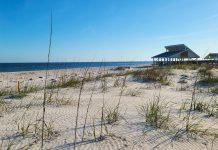
What remains accessible from the main island is still well worth the walk: roughly two miles out from Bathhouse 3, you reach the new cut with views toward Caladesi Island to the south, the Gulf on one side, and St. Joseph Sound on the other. The bird activity along this walk is excellent, the beach gets progressively quieter as you move north, and the natural dune and coastal scrub vegetation on the landward side gives the walk a wilder feel than anywhere else on the island.
The new permanent cut is a genuinely significant change to the island’s geography, and the park asks visitors to observe it from a safe distance and not attempt to cross. It is a reminder of how dynamic these barrier island systems are, and how quickly a hurricane season can rewrite the map. This is the version of Honeymoon Island that most visitors never reach, and it is worth the walk on any morning you have the time.
Dog Beach (Pet Beach)
South End · One of Florida’s Best Dog Beaches · 6-Foot Leash Required
The dog beach at Honeymoon Island sits at the southern end of the park, near the ferry dock for Caladesi Island, and it is consistently ranked among the best dog beaches in the Tampa Bay area. It is one of very few Florida state park beaches where dogs are allowed in the water and on the sand, which is why dog owners make up a significant and enthusiastic segment of the park’s regular visitors. Dogs are also permitted on the Osprey Trail in the northern section of the park.
The walk from the nearest parking area to the dog beach is longer than it looks on the map, up to half a mile depending on which entrance you use. Plan for that walk with your dog and bring water accordingly. The beach has a rinse-off area for dogs after their swim and the sand here has been noted as more variable from storm erosion than the main beach areas further north, but the water is calm and the dog swimming is excellent.
Rangers actively enforce the 6-foot leash rule here, and violations carry a $75 fine. Keep your dog leashed at all times and well away from any marked nesting areas along the beach. Dogs must also be kept away from any wildlife, including the gopher tortoises and birds that are active throughout the park.
Pelican Cove and the Pine Forest Trails
Sound Side · Osprey Rookery · Gopher Tortoises · 2.5-Mile Trail System
The interior of Honeymoon Island is the part most beach visitors never reach, and it is genuinely worth reaching. The Osprey Trail and Pelican Trail together cover 2.5 miles through one of the last remaining virgin slash pine forests in South Florida, and the experience of walking under those pines with osprey nests visible overhead and gopher tortoises crossing the path in front of you is something that does not read as a beach experience at all. It reads as a wildlife refuge, which is more or less what it is.
More than 50 pairs of active osprey nests have been documented along the trails and the trees visible from the park road. Bald eagles nest on the island from October through May. Great horned owls nest here in spring. In addition to the birds, you will find gopher tortoises, armadillos, raccoons, and Eastern Diamondback rattlesnakes on the trails. The rattlesnakes are native residents and real, so stay on the designated trail and look before you step in any vegetated area. The park posts signs about the snakes and they are not exaggerating.
Pelican Cove sits on the sound side between the sandspit and the nature trail, and it is a favorite destination for kayakers who want to explore the protected water on the eastern side of the island. The nature center near the trailhead is small but worth the stop: kid-friendly exhibits on the island’s ecology and history, a gift shop, and air conditioning, which is worth something in July. Bike and kayak rentals are available in the park, with kayaks starting around $35 and bikes from $12 per hour.
Honeymoon Island Rankings: Expert Scores Across 11 Categories
These scores weigh the island as a whole, which means the natural character of the North Beach and the pine forest interior get balanced against the crowd levels that come with being one of Florida’s most-visited state parks.
Sand Quality
7/10
Dramatically different by section. The main pavilion area offers softer, more beach-friendly sand. North Beach transitions into rocky limestone and heavy shell accumulation that is excellent for shelling but harder underfoot. The range here is a feature, not a flaw.
Hiking & Beach Walking
9/10
Four miles of varied Gulf shoreline plus 2.5 miles of nature trails through a virgin pine forest, plus the sandspit walk toward the northern tip. This is the strongest combined hiking and walking score of any drive-in beach park in Pinellas County.
Shelling
8/10
North Beach is exceptional and consistently produces good finds, particularly after storm activity. The main pavilion beach is more moderate. If shelling is your primary reason for coming, arrive at North Beach before 9am.
Water Conditions
7/10
Calm Gulf water with gradual entry, good for swimming at the main beach and Oasis Beach. The flag system is well-maintained at multiple locations across the island. Seasonal lifeguards at the main pavilion area.
Scenery & Natural Beauty
9/10
The virgin slash pine forest, the visible osprey nests from the trail, the natural dune and scrub vegetation on the northern sandspit, and the Gulf views across the western shoreline combine to make this one of the most visually rich drive-in state parks in Florida.
Birding & Wildlife
9/10
50+ active osprey nesting pairs, bald eagle nesting October through May, great horned owls in spring, gopher tortoises and armadillos on the trails, dolphins offshore, and sea turtle nesting May through October. The wildlife here is the strongest argument for the longer Osprey Trail walk.
Family Friendliness
9/10
Seasonal lifeguards at the main beach, a cafe with food from 10am, kayak and bike rentals, a nature center with exhibits, beach wheelchairs available at no charge, easy parking, and a causeway drive that is part of the experience. One of the most family-complete state parks in Pinellas County.
Dog Friendliness
9/10
The dedicated dog beach at the south end is one of the best dog beach experiences in the Tampa Bay area. Dogs are also permitted on the Osprey Trail. The 6-foot leash rule is enforced. A rinse station is available near the dog beach parking area.
Solitude & Peace
6/10
Over a million visitors a year and it shows at the main pavilion area on busy weekends. The north end of the island and the nature trails offer genuine quiet even on crowded days. Arrive before 9am on spring and summer weekends and you have more room than you would expect from a park this popular.
Entertainment & Nightlife
4/10
Cafe Honeymoon with beer and wine, kayak and bike rentals, a nature center, and the park serves as a frequent venue for beach weddings. No nightlife. The park closes at sundown. Dunedin’s downtown is a short drive away for the evening.
Parking & Beach Access
8/10
$8 per vehicle for up to eight people, $4 single-occupant, $2 pedestrians and cyclists. The causeway is paved and accessible. Multiple parking areas distributed across the island’s length. Lots fill early on summer weekends and major holidays, so arrive before 9am during peak season.
Honeymoon Island Sand & Water
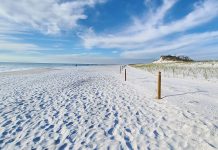
Honeymoon Island’s beach runs wide and flat for four miles, though it’s really two different beaches in one. Near the main pavilion, the sand is soft enough to sink your toes into and wide enough for cornhole, a full family setup, or a long game of catch. Walk up toward North Beach and the sand firms up and gets a little rockier, less about lounging and more about exploring. Wherever you land, the waterline stays packed and easy to walk, so making the trip up and down the beach never feels like a slog. Sandcastles work best if you scoop your water and sand from right near the waterline, since the drier sand up top is a bit too loose to hold a shape on its own.
The water here runs a pretty turquoise to emerald green on a calm day, and you can usually see your feet at waist depth without much trouble. Getting in is easy, the entry is gradual the whole way down at the main pavilion, so you can wade out at your own pace instead of stepping off a sudden drop. Seasonal lifeguards keep an eye on that stretch too, which makes it a comfortable pick for families. The one place to genuinely be careful is the new cut at the far north end of the island, where deep water and a strong current showed up after storm erosion opened a permanent pass in 2024. Stick to the main swimming area and you’ll have calm, easy water the whole visit.
-
Walkability. Four miles of wide, flat beach that’s easy on the legs, with the biggest change in footing happening as you move from the soft main pavilion sand to the rockier North Beach stretch.
-
Softness & Playability. Soft and wide near the main pavilion, plenty of room for games, umbrellas, and a full beach day setup. Bring water for sandcastles since the dry sand alone won’t hold a shape.
-
Barefoot Comfort. Comfortable at the main pavilion and Oasis Beach, more of a judgment call at North Beach where shell and limestone show up underfoot.
-
Swimmability. Calm, gradual entry at the main pavilion with seasonal lifeguards on duty. Give the new cut at the island’s north end a wide berth, the current there is genuinely strong.
Want the full geology, grain composition, and the complete sand and water condition ratings? I broke it all down separately in Sand & Shore: Honeymoon Island.
Dogs & Pet Accessibility
Are Dogs Allowed on the Sand? YES, IN TWO DESIGNATED AREAS.
Honeymoon Island is one of the few Florida state parks with genuine Gulf access for dogs, but it’s limited to two specific areas of the park. Everywhere else on the island, dogs are not permitted.
Where Dogs Are Allowed
- ✓The dedicated Dog Beach at the south end of the park, near the Caladesi ferry dock. Dogs are welcome in the water and on the sand here.
- ✓The Osprey Trail in the park’s interior, leashed.
Where Dogs Are NOT Allowed
- ✗The main pavilion beach, Oasis Beach, and North Beach.
- ✗The northern sandspit walk.
- ✗The Caladesi Island Ferry and Caladesi Island itself. No pets are permitted on the boat or the beach on the other end of this trip.
Paws on the Ground Reality
The walk from the nearest practical parking area to Dog Beach is longer than it looks on the map, up to half a mile depending on which entrance you use. Bring water for your dog and plan for that walk as part of the outing rather than an inconvenience before it. A rinse station near the Dog Beach parking area handles the sandy cleanup afterward.
Rangers actively enforce the six foot leash rule here, on both the Dog Beach and the Osprey Trail, and violations carry a $75 fine. Keep dogs on leash and well clear of any posted nesting area, and away from the gopher tortoises and other wildlife using the same trail.
Crowd Levels and the Overall Feel of Honeymoon Island
Honeymoon Island draws over a million visitors a year and it is genuinely one of Florida’s most visited state parks. On a peak summer weekend, the main parking lots fill before 10am, the south pavilion beach is active from midmorning through late afternoon, and the causeway sees consistent traffic. That said, the park is large enough and the geography spread out enough that even on a crowded day, the northern sections of the beach and the nature trails are noticeably quieter than the main entry area.
The crowd profile shifts considerably depending on where you are on the island. Near the main pavilions, it reads like any popular Gulf beach: families, day-trippers from Tampa, visitors from the surrounding counties. Move north and it shifts toward people who know the park well, shellers, walkers, birders, and locals who came specifically for the north end character.
- Spring: Peak shoulder season with some of the best conditions. Spring break brings the busiest pedestrian traffic of the year. The Osprey Trail bird activity peaks as nesting season opens. Arrive before 9am on spring break weekends to get a good parking spot.
- Summer: Warmest water and hottest days. The parking lots fill fastest on summer weekends, particularly holiday weekends. Sea turtle nesting activity is visible on the beach from May through August. Mornings are significantly more manageable than afternoon arrivals.
- Fall: My favorite window here. The summer crowd drops off after Labor Day and the water stays warm through October. The osprey activity remains high and the shelling on North Beach picks up after the first fall fronts move through. Fall weekdays here can be genuinely quiet.
- Winter: The park stays open year-round. Bald eagle nesting is active October through May. Winter weekdays run quiet enough that you can walk the Osprey Trail and the north beach with very little company. Water temperatures drop into the 60s but the park remains beautiful and productive for wildlife watching.
Who Is Honeymoon Island Really For?
✓ Who Will Love Honeymoon Island
-
Dog owners looking for a Gulf beach that welcomes dogs with actual Gulf access and trail walking, one of the best options in the Tampa Bay area
-
Families wanting a full-service natural beach day with cafe access, seasonal lifeguards, accessible parking, and the kind of wildlife encounter you do not get at resort beaches
-
Shellers who want to work a North Beach with real production, particularly after storm activity
-
Birders who want to walk a genuine osprey rookery with 50+ active nests visible from the trail
-
Visitors who want the option to extend their day with a ferry to Caladesi Island, which departs from the south end dock and adds a completely different beach experience
-
Anyone who wants the combination of natural beach, wildlife trail, and real Gulf Coast character within easy driving distance of Tampa or St. Petersburg
✗ Consider Another Beach If…
-
You want consistent powder-soft quartz sand from end to end. The north section of Honeymoon Island is rocky and shell-heavy, which is great for shelling but not what most people picture when they imagine a Gulf beach
-
You want genuine solitude. Over a million visitors a year means the main beach areas are reliably busy during peak season and most weekends year-round
-
You need a beach with full resort amenities, nightlife, or a hotel directly on the sand. This is a state park, not a resort corridor
-
You are arriving on a peak summer weekend afternoon and expect easy parking. The lots fill early and the causeway backs up on the busiest days
Things to Do at Honeymoon Island State Park
-
Beach Walking. Four miles of varied Gulf shoreline from the south pavilion area to the new cut in the northern sandspit. The walk changes character as you move north: from busy and beach-chair populated to rocky and shell-strewn to quiet and natural. Plan at least two hours for the full north walk and back.
-
Shelling. Best on North Beach, particularly after storm activity or overnight wind events. Calico scallops, lightning whelk, banded tulip, and bivalves are all findable. Arrive at North Beach before 9am on good shelling days to work the wrack line before the crowd arrives.
-
Birding and Wildlife. Walk the Osprey Trail before 9am for the best osprey, bald eagle, and gopher tortoise activity. The osprey nests are visible overhead from much of the trail. Look for tortoises crossing the path and give them space. Bring binoculars for the osprey detail and the sound-side bird activity at Pelican Cove.
-
Swimming. Calm Gulf water with gradual entry at the main beach areas. Seasonal lifeguards at the main pavilion beach. Always check the flag nearest to where you are swimming.
-
Kayaking and Paddleboarding. Kayak rentals available in the park starting around $35. The Pelican Cove sound side is the best launching area for exploring the protected water. Paddlers often see dolphins and manatees in the bay. Experienced kayakers sometimes paddle across to Caladesi Island from the sound side.
-
Cycling. A 1.5-mile paved bike path runs through the park with Gulf views and shaded stops. Bike rentals are available including tandem and four-person surrey bikes starting from $12 per hour. The causeway itself is also popular with cyclists, pedestrians, and joggers and offers St. Joseph Sound views the whole way.
-
Dog Beach. The dedicated pet beach at the south end is one of the best dog Gulf beach experiences in the Tampa Bay area. Dogs on a 6-foot leash, a rinse-off station nearby, and calm water for swimming. Dogs are also permitted on the Osprey Trail. Plan for the longer walk to the pet beach from the parking area.
-
Ferry to Caladesi Island. The Caladesi Island Ferry departs from the south end dock starting at 10am. Round-trip tickets are $20 for adults, $10 for children 6-12, and free for children 5 and under. Ferry stays are four hours. No pets allowed on the ferry. This turns a Honeymoon Island visit into a two-beach day for the cost of the ferry ticket plus your park entry.
-
Surfing. Allowed in the designated surfing area near Bathhouse 3 at the north end. Not a consistent surf break but worth checking after offshore weather has pushed some swell in. This is the only designated surfing zone on the island.
-
Sunset Watching. The western shoreline faces the Gulf directly and sunsets here are reliable enough to plan around. The stretch of beach north of Oasis Beach tends to have fewer people at sunset than the main pavilion area and delivers better sightlines without the beach chairs in your frame.
Local Knowledge and Practical Advice
A few things I’ve picked up from multiple visits to Honeymoon Island and from talking to the regulars who know this park better than most:
-
Arrive before 9am on peak spring and summer weekends. The parking lots fill early and by 10am on a busy Saturday the causeway can back up. If you arrive before 9am you get your choice of lot and you get the beach before the full crowd arrives. The shelling and the nature trail bird activity are both strongest in the first two hours of the day.
-
North Beach after a wind event is the shelling sweet spot. If any weather has moved through the night before your visit, start your day at North Beach and work the wrack line before heading south. The shell concentration after overnight chop is significantly better than on calm days.
-
Dog owners: plan for the longer walk to the pet beach. The dog beach is at the south end of the park and the walk from the nearest practical parking can be close to half a mile depending on your entry point. Bring water for your dog and plan for the walk as part of the outing, not an obstacle to it. The dog rinse station is near the pet beach parking area.
-
Do not attempt to swim or wade the new cut in the sandspit. The permanent cut that formed in 2024 near the northern tip of the island creates strong currents, deep water, and rapidly changing underwater hazards. The park warns strongly against entering the water there. Walk to the cut, take in the view, and come back the same way you went.
-
Walk the Osprey Trail early. The 2.5-mile nature trail system is far less crowded than the beach and far more wildlife-rich. Go early and you are likely to have sections of it to yourself. The osprey activity is highest in the morning and the gopher tortoises are most active before the heat of the day.
-
Rattlesnakes are on the nature trails. Eastern Diamondbacks are native residents of Honeymoon Island and the park posts warning signs. Stay on the designated trail, look before you step in any vegetated area, and give any snake you see a very wide berth. Sightings are not common if you stay on the trail, but they are real.
-
Check the flag closest to where you are swimming, not the first one you see on the drive in. Multiple flag stations are distributed across the island. Conditions can vary between the northern and southern sections depending on the current and wind direction. The flag near your swimming spot is the one that matters.
-
If you are planning the Caladesi Island ferry, buy tickets as early as they open. The ferry starts at 10am and tickets are sold in person only at the Caladesi Ferry ticket office on Honeymoon Island. On busy days the morning ferries fill quickly and you may find yourself waiting for a later boat. On peak weekends, being at the ticket office close to 10am is the move.
-
Sea turtle nesting runs May through October. Marked nests are visible along the beach during nesting and hatching season. Remove all chairs, tents, and equipment from the beach by sunset, and use a red flashlight rather than white light if you are on the beach after dark during nesting season.
Where to Stay Near Honeymoon Island State Park
Honeymoon Island has no camping, but neighboring Caladesi Island offers marina overnight stays by private boat (currently limited due to storm recovery as of 2025). The mainland around Dunedin and Clearwater provides a full range of lodging options.
Dunedin Area Hotels and Rentals
Dunedin is the closest town to Honeymoon Island and one of the more charming towns on the central Gulf Coast: walkable downtown, craft breweries, Scottish heritage festivals, and a marina on the water. Several boutique inns and chain hotels operate along the US-19 Alt and Dunedin Causeway corridor. Vacation rentals in Dunedin itself are often the best lodging value for families wanting to use Honeymoon Island as a base, with some properties directly on or near the Causeway.
Clearwater Area Hotels
Clearwater and Clearwater Beach sit just south of Honeymoon Island with a much wider hotel inventory, including major resort properties and chain hotels at a range of price points. If Honeymoon Island is one stop in a larger Tampa Bay area itinerary that includes Clearwater Beach, staying on Clearwater Beach and driving to Honeymoon Island for the day is a practical option. Just plan for the earlier arrival that peak season requires.
Dunedin Causeway Area
The Dunedin Causeway itself has free parking along its entire length and is a destination for cyclists, joggers, kayakers, and anglers. Some visitors base themselves on the mainland end of the causeway for a combined bike-or-walk-to-the-park experience. The causeway views of St. Joseph Sound are worth the time even if the park itself is the primary destination.
RV Parks Near Dunedin and Palm Harbor
Sun Retreats Dunedin on US-19 Alternate sits close to the causeway access and provides RV and camping options for the area. Additional RV parks in Palm Harbor and Tarpon Springs extend the options north along the US-19 corridor.
What Makes Honeymoon Island Different from Nearby Beaches
Honeymoon Island is the accessible natural beach park that delivers something most accessible beach parks in Florida do not: a genuine wilderness character that persists even under very high visitor numbers.
A virgin slash pine forest on a Gulf beach island
The Osprey Trail and Pelican Trail cut through one of the last remaining virgin slash pine forests in South Florida. Most people do not expect to find old-growth trees and active osprey rookeries on a barrier island beach park within easy driving distance of Tampa. The trees are the thing that makes this island impossible to compare to the resort beaches to the south.
The osprey colony as a visible part of the experience
More than 50 active osprey nesting pairs are documented here. The nests are visible from the trail and from the park road. You will see the birds overhead from your first moments in the park. This is not a wildlife encounter you have to seek out or get lucky for. It is built into the landscape of the island.
Drive-in access with no compromise on natural character
Most Florida barrier islands either have drive-in access and full resort development, or natural character and boat-only access. Honeymoon Island has both drive-in access and genuine natural character, which is a combination that is increasingly rare and that explains why the park draws the numbers it does.
The ferry connection that doubles the day
The Caladesi Island ferry departing from the south end dock gives Honeymoon Island visitors access to a nationally ranked beach experience as an extension of their visit. Very few state parks in Florida function as a gateway to another state park of this quality.
Honeymoon Island vs. Other Florida Central West Coast Beaches
Honeymoon Island vs. Caladesi Island State Park
These two parks are connected by the ferry that runs from Honeymoon Island’s south dock, but the experiences they deliver are fundamentally different. Honeymoon Island is accessible by car, has a cafe, dog beach, nature trails, and bike rentals. Caladesi Island is ferry-only or private boat, is nationally ranked for beach quality, and offers a more concentrated, quiet beach experience with a four-hour stay limit if you come by ferry. Many visitors do both in the same day. If you have to choose, Caladesi Island for the most exceptional beach conditions, Honeymoon Island for the most complete natural beach park experience you can reach by car.
Honeymoon Island vs. Clearwater Beach
Clearwater Beach is about eight miles south and represents the developed, resort-corridor version of Gulf Coast beach access: a full boardwalk, Pier 60, resort hotels, beach chair rentals from multiple vendors, and the full spectrum of beach entertainment. Honeymoon Island is the opposite end of that spectrum in the same general area. Choose based on what you want out of the day, not proximity.
Honeymoon Island vs. Sand Key County Park
Sand Key County Park sits on the barrier island south of Clearwater Beach and is the closest county-run public beach comparison. It offers restrooms, a lifeguard, and a pleasant Gulf beach but no nature trail, no wildlife rookery, no dog beach, and no ferry connection. Honeymoon Island delivers a significantly more layered experience for the same general geographic area.
Honeymoon Island vs. Anclote Key Preserve State Park
Both are state parks in the northern Pinellas County area, but they serve different types of visitors entirely. Anclote Key is boat-only with primitive facilities and the most solitude in the county park system. Honeymoon Island is drive-in with cafe access, kayak rentals, and the dog beach. If you want maximum natural character and are willing to get on a boat, go to Anclote Key. If you want natural character with drive-in convenience and a full complement of park amenities, Honeymoon Island is the call.
Bottom line: Honeymoon Island is the best natural beach park experience accessible by car in Pinellas County. It is not the best beach for pure sand quality or for absolute solitude, but for the combination of wildlife, natural character, amenities, dog access, and a ferry to one of the best-ranked beaches in the country, nothing else in the area comes close.
Honeymoon Island State Park: Frequently Asked Questions
How much does it cost to enter Honeymoon Island State Park?
$8 per vehicle for up to eight people, $4 for single-occupant vehicles, and $2 for pedestrians and cyclists. Florida State Parks Annual Passes cover the vehicle entry fee. No online reservation is required for park entry.
Are dogs allowed at Honeymoon Island State Park?
Yes, in two designated areas. The dedicated pet beach at the south end of the park allows dogs in the water and on the sand. Dogs are also permitted on the Osprey Trail. Dogs must be on a 6-foot handheld leash at all times in both areas. The 6-foot leash rule is enforced and violations carry a $75 fine. Dogs are not allowed on the main beach, Oasis Beach, or North Beach.
Is there a ferry from Honeymoon Island to Caladesi Island?
Yes. The Caladesi Island Ferry departs from the south end dock starting at 10am daily except Thanksgiving and Christmas, weather permitting. Tickets are $20 for adults, $10 for children ages 6-12, and free for children 5 and under. Tickets are sold in person only at the ferry ticket office on Honeymoon Island. No pets are allowed on the ferry. Ferry stays are limited to four hours. The Florida State Parks Annual Pass does not cover the ferry fare.
Are there lifeguards at Honeymoon Island?
Seasonal lifeguard coverage is provided at the main beach pavilion area from late winter through fall. Always check the flag condition system posted at multiple locations across the island before swimming, as conditions can vary between the northern and southern sections of the shoreline.
What is the best beach at Honeymoon Island?
That depends entirely on what you came for. The main pavilion area is the best choice for families with young children: softer sand, seasonal lifeguards, and cafe access nearby. North Beach is the best choice for shelling. The sandspit walk north of North Beach is the best for quiet and natural scenery. The dog beach at the south end is the best for pet owners. Each section delivers something different from the others.
Can you camp at Honeymoon Island State Park?
No. Honeymoon Island State Park does not have camping facilities. Neighboring Caladesi Island State Park has a marina with overnight boat slips, though this has been operating with restrictions following storm damage and overnight camping remains limited as of 2025. Check current Caladesi Island marina status before planning an overnight there.
What wildlife can you see at Honeymoon Island?
More than 50 active osprey nesting pairs are visible from the Osprey Trail and the park road. Bald eagles nest on the island from October through May. Great horned owls nest in spring. Gopher tortoises cross the nature trails regularly. Eastern Diamondback rattlesnakes are native residents of the forested interior. Sea turtles nest along the beach May through October. Dolphins are frequently spotted offshore and during the Caladesi Island ferry crossing.
Is the sandspit walk at Honeymoon Island still accessible?
Partially. In April 2024, storm erosion created a permanent new cut in the sandspit approximately one mile from the northern tip. The park now considers this a permanent pass, not a temporary feature. The beach walk from the main island to the cut is still accessible and worthwhile. Do not attempt to swim or wade through the new cut, as the park warns of deep water, rapidly changing water depths, and strong currents at that location.
When is the best time to visit Honeymoon Island?
Fall, from September through November, offers the best combination: the summer crowds thin significantly after Labor Day, the water stays warm through October, and the osprey activity on the trails remains high. Spring is excellent for bird nesting activity but brings more crowds. Winter weekdays are very quiet and productive for birding, with bald eagles nesting and gopher tortoises active on mild days.
What amenities are available at Honeymoon Island State Park?
Cafe Honeymoon serves food, beer, and wine from 10am to 5pm. Kayak rentals start around $35, bike rentals from $12 per hour. Beach wheelchairs are available at no charge through the ranger station. A nature center with exhibits and a small gift shop is located near the Osprey Trail trailhead. Multiple bathhouse facilities are distributed across the island. Picnic tables and grills are available in the pavilion areas.
Patti’s Perspective: My Honest Take on Honeymoon Island
Honeymoon Island is the one beach that has everything: beach, trails, wildlife, and a picnic lunch under the pines that feels like a real day in nature. The Gulf water here is never the most perfectly clear I found in Pinellas County, but the osprey nests visible from the car on the way to the parking lot made every single trip feel like arriving at a place that mattered. My kids noticed the birds when I came many years ago. I noticed that my kids noticed the birds. That is the thing about Honeymoon Island that no amount of sand quality rating captures.
What I love every time I come back here is the pine forest. I know it is there. I have walked the Osprey Trail a dozen times. And yet every time I turn off the beach and into those old-growth slash pines with the light coming down through the canopy and a gopher tortoise crossing the path in front of me, it stops feeling like a beach day and starts feeling like something more specific and rarer. There is not another drive-in Gulf beach in this part of Florida that gives you that.
The North Beach shelling on a morning after the right kind of overnight weather is the other thing I would come back for. I walked a long stretch of it on a November morning a few years back, after a front had moved through, and the wrack line was producing the kind of material that makes you slow down and stop talking and just look. The limestone character of the north shoreline is not what most people come here expecting, and once you know what it does for the shelling, you start timing your visits around it.
My verdict: 8/10. The best natural beach park accessible by car in Pinellas County, and the one that consistently delivers more than first-time visitors expect. The osprey nests, the pine forest, the dog beach, and the ferry to Caladesi Island make this more than a beach day. Come early, walk north, and take the nature trail before you leave.
Want to Live by the Water?Dunedin is one of the more character-rich towns on the entire Gulf Coast, and the proximity to Honeymoon Island is part of what makes it compelling. The walkable downtown along Main Street, the Scottish heritage that earned the city its name, the Toronto Blue Jays spring training facility, and a local marina with direct access to St. Joseph Sound give Dunedin a lifestyle profile that draws buyers from across the country. Home prices in Dunedin average around $442,000, with waterfront properties along the Causeway corridor carrying a premium that reflects how limited the inventory is and how high the demand has been.Palm Harbor sits just north of Dunedin along the US-19 Alt corridor and offers additional options at a range of price points, from inland homes with quick park access to Sound-side properties with water views toward the islands. For buyers who want the combination of a walkable, culturally engaged town with a state park essentially in the backyard, this is one of the most compelling micro-markets on the central Gulf Coast.Explore Waterfront Living at LiveByTheWater.com
Real estate referral partner