


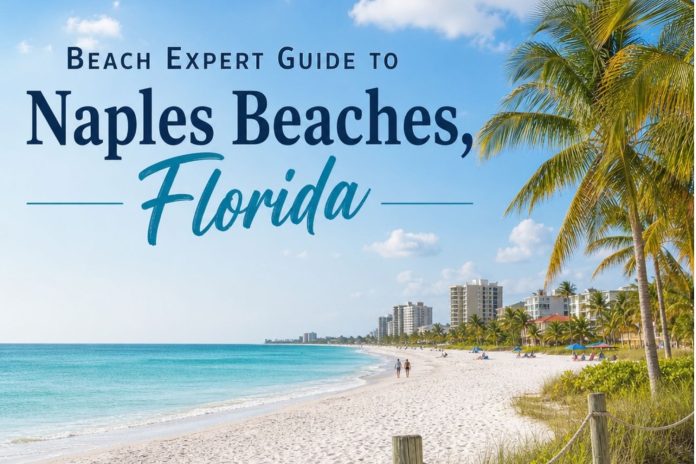
Naples Beaches, Florida
I first saw Naples as a kid growing up in Miami, on a day trip my family made across Alligator Alley when that road was still a long, lonely two lane stretch through the Everglades. Naples was the easy beach escape on the other coast. It is not that town anymore, and after walking every mile of sand between Lowdermilk Park and Keewaydin Island as an adult, I can tell you exactly what changed, what didn’t, and why the sand is still the reason everyone keeps showing up.
Naples runs roughly 24 miles of Gulf coastline through Collier County, from the wild, boat access only shoreline of Keewaydin Island in the south up through Old Naples and the downtown pier, then north through Park Shore, Vanderbilt Beach, and the undeveloped preserves at Barefoot Beach and Delnor-Wiggins Pass State Park. There are close to 40 public beach access points along the way, and no two of them feel the same.
In this guide I’m walking you through every distinct stretch of Naples beach, going deep on what the sand and water are actually doing, scoring it honestly across every category that matters, and telling you exactly who this beach is built for and who might be happier somewhere else on this coast. I’ll cover the family parks, the ultra luxury stretch south of the pier, the resort energy at Vanderbilt, and the genuinely wild north and south ends most day trippers never reach. I close with my own honest take on how much this place has changed since I first saw it as a kid.
The Vibe & Culture at Naples Beaches
A Different Naples Than the One I Remember
The sand hasn’t changed. Almost everything else has.
When I was a kid, Naples was a sleepy fishing and citrus town with a beautiful beach, the kind of place a Miami family could drive to for the day and not think twice about it. Today the zip code that covers Old Naples and Port Royal is one of the wealthiest in the entire country, with an average income pushing toward seven figures and waterfront estates that regularly sell for eight and nine figures. I am not exaggerating when I say I have walked past homes on Gordon Drive that cost more than entire towns I have covered for this work.
That wealth shapes everything about how this beach feels. There is no boardwalk scene here, no beach bars blasting music, no spring break energy. What Naples has instead is Fifth Avenue South and Third Street South, two walkable downtown districts a few blocks from the sand lined with art galleries, fine dining, and boutiques that could sit comfortably in a much bigger city. You can spend a full beach day here and never see a t-shirt shop.
At the same time, Naples is not only the ultra wealthy. Retirees and northern snowbirds fill the condos along Gulf Shore Boulevard and Vanderbilt Beach Road, second home owners rotate in and out, and locals who have lived here for decades still walk these beaches every morning before the parking lots fill up. That mix, old Florida families, working residents, seasonal retirees, and a genuinely global set of wealthy second home buyers, is what actually defines Naples now, more than any single postcard image does.
I will be honest with you. This level of money on display is not really my style, and I say that as someone who has walked beaches from the Panhandle to the Keys. But it is a real, distinct experience, and Naples earns its reputation on the sand itself regardless of what is parked in the driveways behind it. The beach doesn’t know how much the house behind it cost.
Naples Beach Areas: Seven Distinct Stretches, Seven Different Experiences
Naples is not one beach any more than Pensacola or Miami is. Here’s how the coastline actually breaks down, south to north, and what you’ll find at each stop.
Lowdermilk Park
North of Old Naples · 1301 Gulf Shore Blvd N
Lowdermilk Park is the beach most families end up at first, and there’s a reason for that. The park sits on the north edge of Old Naples with a landscaped green space behind the sand that includes a duck pond, sand volleyball courts, two playgrounds, and a concession stand, which is more built-out amenity infrastructure than you’ll find at almost any other Naples beach access. The sand itself runs wide and gently sloping, and the water stays shallow and calm well out from shore, which is exactly what makes this the default pick for anyone traveling with young kids.
The crowd here skews heavily toward families, both local and visiting, along with a steady rotation of retirees who treat the park as a daily walking loop. It gets busy in season, particularly late morning through early afternoon, and parking fills fast enough that arriving before 9am genuinely matters if you want a close spot. Compared to the quieter stretches just a few minutes south past Old Naples, Lowdermilk feels almost suburban in its convenience, which some people want and others actively avoid.
I like Lowdermilk for exactly what it is built for: a low stress beach day with real amenities and safe water, not a place to go looking for solitude or drama in the sand or surf. If I’m bringing anyone who isn’t a confident swimmer or who wants a bathroom within reach, this is where I point them.
Naples Pier and the Naples Municipal Beach
Downtown Naples · 25 12th Ave S
The Naples Pier has been the symbol of this beach since 1888, rebuilt after hurricane after hurricane, and it’s currently in the middle of its most significant rebuild yet after Hurricane Ian destroyed roughly 460 feet of the original structure in September 2022. As of this writing the full rebuild is under active construction, the pier itself is closed to the public for the duration of the project, and the city has set up pedestrian beach access bypasses at the Broad Avenue South and 13th Avenue South beach ends while the work continues. Check the city’s project page before you plan a trip around walking out onto it.
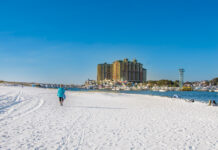
None of that has slowed down the beach itself. The sand stretching out from both sides of the pier is wide, white, and framed by some genuinely striking real estate looking back at you from Gulf Shore Boulevard. This is the most walkable beach in Naples in the literal sense, since Fifth Avenue South and Third Street South both sit a few blocks inland, meaning you can spend a morning on the sand and be seated for lunch at a sidewalk table within ten minutes without ever getting back in a car.
The crowd here is a genuine cross section, downtown shoppers taking a break, retirees on their morning walk, visitors staying at the nearby boutique hotels, and locals who treat the pier area as the social center of the beach even with construction fencing up. I always end up back here at some point on any Naples trip, less for the sand itself and more for how easy it makes the rest of the day.
The Quiet South End: Old Naples Beach Ends and Port Royal
South of the Pier · Gordon Drive
South of the pier, the crowd thins out fast, and the real estate takes over as the main attraction. There are 22 separate public beach access points scattered down Gulf Shore Boulevard South and Gordon Drive between the pier and 17th Avenue South, where the neighborhood shifts into Aqualane Shores and eventually Port Royal, the single most expensive residential zip code in Naples and one of the wealthiest in the country. Most of these access points have no amenities at all, just a narrow public right of way between two private properties and a walk to the water.
What you’re getting here is a genuinely quiet stretch of sand with almost no infrastructure, walked mostly by residents, dog walkers who know better than to actually bring the dog onto the sand, and a small number of visitors who’ve figured out that this is where the crowd from Lowdermilk and the pier simply doesn’t come. The homes lining Gordon Drive are some of the most expensive in the state, and walking this stretch at sunrise with nobody else around, looking at estates that would be a small hotel anywhere else, is a genuinely strange experience I haven’t had on any other Florida beach.
This is where I’d send anyone who wants the Naples sand experience without the Naples crowd. Parking is limited and mostly metered street parking on the side streets, so it takes more effort than pulling into a lot at Lowdermilk, but that effort is exactly what keeps this stretch quiet. I’ve had entire mornings here without seeing another set of footprints ahead of mine.
Clam Pass Park and Park Shore
Central Naples · Seagate Drive
Clam Pass Park is built around a genuinely different arrival experience than anywhere else on this coast. You park inland, then either walk a three quarter mile boardwalk through a dense mangrove forest or catch the park’s complimentary tram out to the beach itself, which sits on a 35 acre stretch of coastal habitat that feels noticeably wilder than its central Naples location would suggest. The mangrove crossing alone is worth the trip before you even reach the sand.
Once you’re through, the beach opens up wide and calm, with water that stays sheltered and gentle thanks to the pass just to the north. This is one of the most visited beaches in Collier County, which means the crowd is a real mix of Park Shore condo residents, hotel guests from the nearby resorts, and day trippers who’ve heard about the boardwalk specifically. Paddleboard and kayak rentals do steady business here, since the calm inlet water suits beginners far better than the open Gulf.
I love the boardwalk itself almost as much as the beach it leads to. It’s rare to get a genuine mangrove forest walk built directly into a beach day, and the bird activity along that path, herons and egrets working the tidal creeks, is better than what you’ll see standing on the open sand. If you skip the walk and only take the tram, you’re missing the best part of this stop.
Vanderbilt Beach
North Naples · 100 Vanderbilt Beach Rd
Vanderbilt Beach is where North Naples puts its best foot forward. The beach here runs wide and open, backed by a run of Gulf front resort hotels and high rise condos that give this stretch a noticeably more polished, resort town energy than the residential quiet further south. A dedicated parking garage just west of the beach handles the crowd better than most Naples access points manage, though it still fills on a busy season weekend.
The crowd here trends younger and more visitor heavy than Lowdermilk or the quiet south end, drawing hotel guests, North Naples families, and a steady stream of paddleboarders and sunset watchers working the beach in the evening. It’s genuinely one of the more social Naples beaches without ever tipping into rowdy, since the surrounding hotels and price point keep the energy closer to upscale resort than beach party.
What I actually notice most here is the sand itself. It runs a little wider and a little whiter than the beaches further south, and the sunset views over the open Gulf with almost no structures interrupting the western horizon are some of the best in Naples. I’d plan an evening here specifically for that, even if you spend your daytime hours somewhere quieter.
Barefoot Beach Preserve and Delnor-Wiggins Pass State Park
Far North End · Bonita Beach Rd & Gulfshore Dr
The far north end of the Naples coastline splits into two adjacent protected areas, and together they’re the closest thing this beach has to true wilderness. Barefoot Beach Preserve protects 342 acres on one of the last undeveloped barrier islands on Florida’s southwest coast, reached by driving through a gated residential community before the preserve itself opens up. A mile long boardwalk trail and the 1.5 mile Saylor Trail loop through coastal hammock where gopher tortoises are actively relocated for protection, and I’ve never walked this trail without seeing at least a few of them along the path.
Just south, Delnor-Wiggins Pass State Park sits on its own barrier island with over a mile of unspoiled beach, a hard bottom reef offshore that draws snorkelers, and a wildlife observation tower at the north end overlooking Wiggins Pass itself. Both spots draw a genuinely different crowd than the rest of Naples: birders with real binoculars, dedicated shellers, and locals who specifically avoid the more developed beaches further south.
This stretch is also where the wildlife concentration is highest on the entire Naples coast. Bald eagles, ospreys, and loggerhead sea turtles all use this habitat, and I’ve watched dolphins working the surf line here more consistently than anywhere else I’ve walked in Collier County. There are no lifeguards at either spot, and the parking fee runs around ten dollars a vehicle without a county permit, but for what you get in exchange, undeveloped shoreline and real wildlife density, I think it’s worth every dollar.
Keewaydin Island
South of Naples · Boat Access Only
Keewaydin Island is the one Naples beach that requires real effort to reach, and that effort is exactly why it stays this good. The island runs nearly eight miles between Naples and Marco Island, sits almost entirely within the Rookery Bay National Estuarine Research Reserve, and can only be reached by private boat, water taxi, or one of the regular shuttle services running out of Naples marinas. There are no facilities at all, no restrooms, no shade structures, nothing, so you’re bringing everything you need for the day.
What that isolation buys you is the best shelling and the least disturbed wildlife anywhere in the Naples area. Lightning whelks, sand dollars, and a genuine variety of shells wash up here in numbers you simply won’t find on the mainland beaches, and I’ve found more heart shaped shells on this stretch than anywhere else I’ve walked in Florida. Sea turtle nesting is heaviest here of any beach in Collier County by a wide margin, with hundreds of nests recorded on this single island most seasons, and dolphins are a near constant presence on the boat ride out.
Keewaydin is also the one place in this entire guide where your dog is genuinely welcome on the sand, leashed, which stands in sharp contrast to the total dog ban everywhere else on this coast. If you have a boat, a rental, or access to one of the water taxis, I’d make this the one Naples beach you don’t skip, even though it takes real planning to get there.
Naples Beaches Rankings: Expert Scores Across 11 Categories
These scores weigh the Naples coastline as a whole, which means the convenience of Lowdermilk and Vanderbilt gets balanced against the genuine quiet at Port Royal, Barefoot Beach, and Keewaydin Island.
Sand Quality
8/10
Quartz sand from the same Appalachian source as the rest of the Gulf Coast, but with more shell content mixed in than you find at Siesta Key, giving it a soft cream white color rather than a blinding white one.
Hiking & Beach Walking
8/10
Nearly 24 miles of walkable shoreline across the city and county. The quiet stretch south of the pier and the preserves at the far north end are the standouts.
Shelling at Naples Beaches
7/10
Decent along the mainland beaches after a good tide, genuinely excellent out at Keewaydin Island, which pulls the average up considerably. Marco Island’s Tigertail Beach still edges it out for sheer volume.
Water Conditions
8/10
Calm, warm, and gently sloping most of the year. Clarity drops during summer mangrove runoff, and Collier County’s own monitoring flags red tide as most likely in the cooler months, so check conditions before you swim.
Scenery & Natural Beauty
9/10
The mix of preserved mangrove backwater, undeveloped barrier islands, and some of the most expensive real estate in the country creates a shoreline unlike anywhere else in Florida.
Birding & Wildlife
8/10
Dolphins, manatees, bald eagles, ospreys, and a serious wading bird population, strongest toward Barefoot Beach, Delnor-Wiggins, and the Rookery Bay reserve.
Family Friendliness
7/10
Lowdermilk Park and Clam Pass Park do the heavy lifting with playgrounds and calm water, but much of the rest of the coastline is quiet, residential, and light on amenities for kids.
Dog Friendliness
2/10
Dogs are banned from essentially every beach in the city and county. Boat access only Keewaydin Island is the one real exception, and it requires real planning to reach.
Solitude & Peace
6/10
Genuinely quiet at Port Royal, Barefoot Beach, and Keewaydin. Genuinely busy at Lowdermilk and Vanderbilt in season, especially January through March.
Entertainment & Nightlife
6/10
This isn’t a boardwalk town. The energy here is Fifth Avenue South and Third Street South, fine dining, art galleries, and live theater rather than beach bars.
Parking & Beach Access
4/10
Every beach costs something to park at. City meters run $5 an hour, county lots charge a flat daily fee, and the Naples Pier lot is limited during the ongoing pier rebuild.
Naples Sand & Water: Deep-Dive Analysis
Sand Composition & Texture
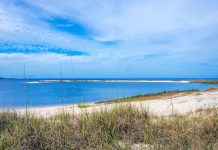
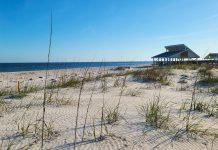
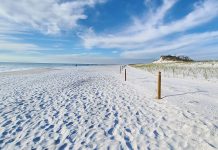
The single biggest thing you’ll notice about Naples sand compared to the Panhandle beaches I’ve walked is the color. It’s a soft cream white rather than the blinding, almost reflective white you get further north, and it’s noticeably warmer toned in the morning light. Run it through your fingers and you’ll also feel a bit more texture than pure powder, since this sand carries more shell content mixed in with the quartz than beaches further up the Gulf Coast.
That difference comes down to geology and geography as much as anything else. Like the rest of Florida’s Gulf Coast, the quartz in this sand traces back to the Appalachian Mountains, carried down by ancient rivers over millions of years. But Naples sits close to the shallow Gulf shelf and a genuinely active shell and coral producing ecosystem, and that shell content gets mixed into the sand here more than it does up at Siesta Key, which is famous for being close to pure quartz. The tradeoff is a slightly coarser grain in exchange for noticeably better shelling, which feels like a fair trade to me.
-
Sand Color. Soft cream white with a warm undertone, brightest at midday and softest right after sunrise. It photographs beautifully against the turquoise water but doesn’t have the almost artificial glare you get from the purest Panhandle quartz beaches.
-
Texture. Fine but not powder fine, with enough shell fragment mixed in that you’ll notice a slight grittiness compared to Siesta Key further north. Stays reasonably cool underfoot most of the year, though the dry upper beach near Lowdermilk and the pier can get warm by early afternoon in summer.
-
Grain Size. Quartz based like the rest of the Gulf Coast, weathered out of the Appalachians and carried south by ancient rivers, but with a higher percentage of broken shell and coral fragment mixed in than the near pure quartz beaches further north on this coast.
-
Shell Content. Moderate to good on the mainland beaches, genuinely excellent out at Keewaydin Island. Lightning whelks, sand dollars, and a real variety of species wash up here, especially after a storm or overnight high tide. Look for heart shaped shells along the wrack line, they show up more often than you’d expect.
-
Walking Comfort. Excellent at the waterline, where the wet sand packs firm and flat for miles in either direction. The quiet stretch south of the pier and the preserve trails at the north end are the best walking on this coast, with almost no foot traffic to churn up the surface.
-
Barefoot Rating. 8/10 most of the year, dropping to 6/10 on the busiest midday hours near Lowdermilk and Vanderbilt in peak season. Walk the wet sand at the waterline and the quartz content keeps you comfortable even on a hot afternoon.
Water Conditions at Naples
The Gulf here changes less dramatically than it does further north, but it still shifts with the seasons and the weather. Naples water stays genuinely swimmable year round, running from the low 70s in January up into the mid 80s by late summer, and the calm, gently sloping entry makes it one of the more forgiving stretches of Gulf water in the state. What changes most is clarity, which drops during the summer wet season as mangrove backwater runoff pushes into the Gulf, and red tide, which Collier County’s own monitoring identifies as most likely to appear between fall and spring rather than the peak of summer.
-
Water Clarity. Good on calm days outside the summer rainy season, with visibility dropping noticeably after heavy afternoon storms push tannin stained water out of the backwaters and into the Gulf. Clearest in the dry winter and spring months.
-
Water Color. Turquoise to soft green close to shore, shifting to a deeper Gulf blue further out. Less dramatically emerald than the Panhandle, but still genuinely beautiful against the cream colored sand.
-
Wave Action. Gentle to calm nearly year round, with only a modest shore break under normal conditions. This is not a surf coast, and the mild wave action is part of why it’s such an easy place to swim with young kids or nervous swimmers.
-
Swimming Quality. 8/10 in season. Gradual entry and warm water most of the year, though most Naples and Collier County beaches have no lifeguards on duty, so swim at your own risk and pay attention to posted flags.
-
Water Sports. Paddleboarding and kayaking are excellent in the sheltered water at Clam Pass and around Vanderbilt Beach. Boat charters out of Naples marinas run regularly to Keewaydin Island and the Ten Thousand Islands for shelling and dolphin watching.
Dogs & Pet Accessibility at Naples Beaches
Are Dogs Allowed on the Sand? RESTRICTED.
Dogs aren’t allowed on any City of Naples or Collier County beach on the mainland, including Lowdermilk Park, the beach near the pier, and every stop up through Vanderbilt Beach. The one real exception on this whole stretch of coast is Keewaydin Island, reachable only by boat, where leashed dogs are genuinely welcome on the sand.
Where Dogs Are Allowed
- ✓Keewaydin Island, boat access only, leashed dogs welcome on the full length of the beach.
Where Dogs Are NOT Allowed
- ✗Lowdermilk Park and every beach end in Old Naples and Port Royal.
- ✗The Naples Pier and the Naples Municipal Beach.
- ✗Clam Pass Park, Park Shore, and Vanderbilt Beach.
- ✗Barefoot Beach Preserve and Delnor-Wiggins Pass State Park at the far north end.
Paws on the Ground Reality
You won’t find water stations or shaded rest spots set up for pets on any of these beaches, since dogs simply aren’t part of the plan here outside of Keewaydin. The bans are genuinely enforced too, not just posted and ignored, so don’t count on a quiet early morning slipping past unnoticed.
If you want a real walk with your dog while you’re in town, skip the sand entirely and head inland. The Gordon River Greenway and the local dog parks around Naples give you shaded, paw friendly ground without any risk of a ticket, and they make a far better daily walk than trying to sneak onto a beach that doesn’t allow it.
Crowd Levels and the Overall Feel of Naples Beaches
Naples runs on a different calendar than most Florida beach towns. This isn’t a spring break destination, and it isn’t built around summer vacation crowds the way the Panhandle is. It’s a snowbird town first, and the crowd, traffic, and restaurant wait times shift accordingly through the year.
- Snowbird season (November through April): the defining season here, with the heaviest crowds and traffic from January through March. Book parking time and dinner reservations accordingly.
- Summer (June through September): the quiet season, with fewer visitors, warmer water, and predictable afternoon thunderstorms most days. Locals reclaim the beaches this time of year.
- Fall (October and November): a genuine sweet spot, with lighter crowds than winter and water still warm from summer.
- Late spring (April and May): crowds thin out fast after the snowbirds head home, with warm days and still comfortable evenings before the summer humidity sets in.
Who Are Naples Beaches Really For?
✓ Who Will Love Naples Beaches
-
Retirees and second home shoppers who want to experience the sand and the neighborhoods before deciding where to settle
-
Walkers and joggers who want firm, flat sand for miles without fighting heavy crowds south of the pier
-
Shell collectors willing to book a boat or water taxi out to Keewaydin Island for the real haul
-
Birders and wildlife watchers drawn to Barefoot Beach, Delnor-Wiggins, and the Rookery Bay reserve
-
Anyone who wants a beach day bookended by real fine dining and gallery browsing on Fifth Avenue South or Third Street South
-
Photographers chasing the mix of luxury real estate, mangrove boardwalks, and open Gulf sunsets in one trip
✗ Consider Another Beach If…
-
You’re traveling with a dog and want easy beach access. Every beach here bans dogs except boat access only Keewaydin Island
-
You want free, easy parking. Naples charges for every hour at every beach, with no Panhandle style free lots
-
You’re chasing spring break energy or beachfront nightlife. Head somewhere with a boardwalk, since Naples closes down early and quiet
-
You’re a dedicated surfer. This is calm, gently sloping Gulf water, not a break
-
You want to walk out onto the Naples Pier right now. It’s closed for the rebuild, and that’s likely to continue for a while longer
Things to Do at Naples Beaches, Florida
Naples gives you more to do off the sand than most beach towns, largely because the downtown district sits so close to the water. Here’s what actually fills a day here, beyond a towel and an umbrella.
-
Beach Walking. Firm, flat sand running for miles, with the quiet stretch south of the Naples Pier and the preserve trails at the north end standing out as the best of it. Early morning is quietest, before the day trippers arrive.
-
Shelling. Solid along the mainland beaches after a good tide, genuinely excellent at boat access only Keewaydin Island. Bring a mesh bag and only collect shells that are clearly unoccupied.
-
Paddleboarding and Kayaking. Best in the sheltered water at Clam Pass Park and around Vanderbilt Beach. Rentals are available at both, and the calm inlet conditions suit beginners well.
-
Birdwatching. Strongest at Barefoot Beach Preserve, Delnor-Wiggins Pass State Park, and along the Rookery Bay reserve near Keewaydin. Bald eagles, ospreys, and a genuine variety of wading birds show up consistently.
-
Dolphin and Manatee Watching. A near daily sighting on calm mornings, especially near the passes and on the boat ride out to Keewaydin Island. Charter boats out of Naples marinas run dedicated wildlife trips.
-
Downtown Gallery and Shopping Day. Fifth Avenue South and Third Street South sit a few blocks from the pier, packed with art galleries, boutiques, and outdoor cafes. Third Street South runs a Saturday morning farmers market worth timing a visit around.
-
Golf. Naples has one of the highest concentrations of golf courses per capita in the country, and pairing a morning round with an afternoon beach walk is a genuinely normal Naples day.
-
Sunset Watching. Vanderbilt Beach and the pier area both offer wide open western sightlines with almost nothing blocking the horizon. A nightly event here, not an occasional one.
Local Knowledge and Practical Advice
A few things I’ve picked up walking this beach more times than I can count, both as a kid and as an adult covering it for this work:
-
Bring a card or the parking app, not just quarters. City of Naples meters run $5 an hour, Collier County beaches charge a flat daily fee around $10 per vehicle, and Delnor-Wiggins Pass State Park charges its own separate entrance fee. There are no free lots anywhere on this beach.
-
The Naples Pier is currently closed for its full rebuild. Access is limited to pedestrian bypasses at the Broad Avenue South and 13th Avenue South beach ends until construction wraps, which is expected to take well into 2027. Check the city’s project page before you plan around it.
-
Most Naples beaches have no lifeguards. The city runs a year round Beach Patrol that monitors the sand and enforces parking and wildlife rules, but it isn’t a certified lifeguard service. Swim at your own risk and know your own limits.
-
Leave the dog at the hotel unless you’re boating out to Keewaydin Island. City and county ordinances ban dogs from essentially every Naples beach, with fines that start at $115. Keewaydin, boat access only, is the one real exception.
-
Walk south past 17th Avenue South for the quiet version of this beach. The crowd from Lowdermilk and the pier almost never makes it down into the Port Royal beach ends, even in peak season.
-
Sea turtle nesting season runs roughly May through October. Flatten sandcastles and fill in holes before you leave, and remove all chairs and equipment from the beach by sunset, especially on Keewaydin, which sees more nests than any other beach in Collier County.
-
Check red tide status before a trip if anyone in your group has respiratory issues. Collier County’s own data identifies the fall through spring window as the more likely stretch for blooms here, which runs counter to what a lot of visitors assume.
-
Plan around the January through March traffic if you’re staying inland. Snowbird season roughly doubles drive times on the main corridors into the beach neighborhoods. Early morning beats every other window.
-
Book your Keewaydin Island trip a few days ahead in season. Water taxis and shuttle boats fill up fast on weekends, and there are no facilities on the island once you’re there, so pack water, food, and sun protection.
-
Check the beach the first calm morning after a storm. That’s when shelling actually improves along the mainland beaches, the same rule that holds everywhere else on this coast.
Where to Stay Near Naples Beaches, Florida
Naples has some of the widest range of lodging character on the Gulf Coast, from full service resorts to quiet historic cottages a short walk from Third Street South. Here’s how the options break down.
Gulf-Front Resorts & Condos
The stretch of coastline around Vanderbilt Beach and Park Shore carries the highest concentration of full service Gulf front resort hotels and high rise condo buildings in Naples, several of which offer private beach chair, umbrella, and watersports rental service directly on the sand for guests. This is the easiest lodging choice if convenience and resort amenities matter more to your trip than walkability to downtown.
Old Naples Cottages & Boutique Inns
Staying within walking distance of Third Street South and the pier puts you in the middle of historic Old Naples, where small boutique hotels and restored beach cottages sit on quiet residential streets a few blocks from the sand. Expect higher nightly rates and earlier booking windows during snowbird season.
Port Royal & Aqualane Shores Rentals
For visitors who want the quiet south end experience without owning property there, a small number of luxury vacation rentals come up in Port Royal and Aqualane Shores each season, typically at a steep premium given the neighborhood. This is a niche option, but it exists for anyone chasing the quietest beach access in Naples.
Camping at Collier-Seminole State Park
There’s no beach camping directly in Naples, but Collier-Seminole State Park sits about 17 miles south of the city along the Tamiami Trail, with full hookup and tent sites, hot showers, and a genuinely wild mangrove wilderness setting. It’s the closest real camping option to Naples beaches, and it’s popular enough in the cooler months that reserving ahead matters.
Bonita Springs & Inland Naples
For lower rates without giving up easy beach access, the mainland stretch through Bonita Springs and inland Naples along US 41 offers a much wider range of budget to mid-range hotel options for visitors willing to drive ten to twenty minutes to reach the sand.
What Makes Naples Beaches Different from Nearby Beaches
Naples stands apart because of what surrounds the sand as much as the sand itself. Most Southwest Florida beaches pick a lane, either resort convenience or genuine wilderness, and stay there. Naples somehow runs both at once, within a few miles of each other.
A few features make it distinct:
Money you can see from the sand
No other beach I’ve covered puts this much visible wealth directly behind the dune line. Walking the Port Royal beach ends past estates that regularly sell for eight figures is not an experience you get anywhere else on this coast, whether or not it’s your style.
A real downtown you can walk to from the beach
Fifth Avenue South and Third Street South put genuine fine dining, art galleries, and boutique shopping a few blocks from the sand. Most Gulf Coast beach towns make you drive somewhere for a real dinner. Naples doesn’t.
Wilderness bookending a developed core
Barefoot Beach Preserve, Delnor-Wiggins Pass State Park, and Keewaydin Island give Naples a level of protected, undeveloped shoreline on both ends that most comparably developed beach towns simply don’t have anymore.
A near total dog ban
Where most Florida beach towns carve out at least one dog friendly stretch on the mainland, Naples and Collier County ban dogs almost everywhere, with the sole real exception sitting on a boat access only barrier island.
Naples Beaches vs. Other Southwest Florida Beaches
These are the beaches visitors most often weigh against Naples, and the honest read on when you’d choose one over the other.
Naples vs. Marco Island
Marco Island sits about 20 minutes south and shares the same general sand character, with Tigertail Beach standing out as a genuinely better shelling and birding destination than most of mainland Naples. Marco feels a notch more resort casual and slightly less formal than Old Naples and Port Royal. Choose Naples for the downtown walkability and the wilder north and south ends. Choose Marco Island if shelling and a slightly more relaxed atmosphere matter more to your trip.
Naples vs. Sanibel and Captiva
Sanibel and Captiva sit roughly 45 minutes to an hour north, near Fort Myers, and remain the more famous shelling destination on this coast, with a laid back, low rise island character that Naples doesn’t try to replicate. Naples wins on downtown dining and real estate scenery. Sanibel and Captiva win if shelling is the entire point of your trip.
Naples vs. Siesta Key
Siesta Key, up near Sarasota, carries close to pure quartz sand and a genuinely whiter, powderier beach than anything in Naples, along with a livelier, younger beach town energy. Choose Naples for the luxury real estate backdrop and the quieter, more residential feel. Choose Siesta Key if the purest, whitest sand on the Gulf Coast is what you’re chasing.
Naples vs. Fort Myers Beach
Fort Myers Beach, roughly 40 minutes north, has historically carried more of a classic beach town, boardwalk energy than Naples ever has, though it’s still working through its own recovery from Hurricane Ian. Naples offers a more polished, resort level experience with none of that boardwalk casualness. Choose Fort Myers Beach if you want a livelier, more traditional beach town feel. Choose Naples if polish and downtown dining matter more than beach bar energy.
Bottom line: Naples is the version of Southwest Florida’s quartz and shell coastline built around wealth, wilderness preservation, and walkable downtown dining rather than boardwalk energy or unbeatable shelling. Marco Island and Sanibel give you comparable sand with more classic shelling. Siesta Key gives you purer, whiter sand and a livelier scene. Naples gives you real estate you won’t see anywhere else and two genuinely wild ends to a very developed middle.
Naples Beaches, Florida: Frequently Asked Questions
Is Naples, Florida worth visiting for the beaches?
Yes. The sand quality holds up against any beach on this coast, and the combination of calm, warm water, genuine wildlife preserves on both ends, and a walkable downtown dining scene makes it one of the more complete beach destinations in Southwest Florida.
Is the Naples Pier open right now?
No. The pier is closed to the public during its full rebuild following major damage from Hurricane Ian. Access to the surrounding beach continues through pedestrian bypasses at the Broad Avenue South and 13th Avenue South beach ends, and the surrounding sand remains fully open.
Are dogs allowed on Naples beaches?
No, with one exception. Dogs are banned from every City of Naples and Collier County beach, including Lowdermilk Park and the beach near the pier. The single exception is Keewaydin Island, reachable only by boat, where leashed dogs are permitted.
How much does beach parking cost in Naples?
City of Naples metered spaces run $5 an hour. Collier County beaches, including Vanderbilt, Clam Pass, and Barefoot Beach, charge a flat fee of around $10 per vehicle for the day. Delnor-Wiggins Pass State Park has its own separate state park entrance fee. Full time Collier County residents and property owners can get a free annual parking permit.
Are there lifeguards at Naples beaches?
Most Naples and Collier County beaches don’t have staffed lifeguard towers. The City of Naples runs a year round Beach Patrol that monitors the sand and helps with wildlife issues, but it functions more as beach enforcement than a certified lifeguard service. Swim at your own risk and pay attention to posted conditions.
What is the best beach in Naples for families?
Lowdermilk Park, thanks to its playgrounds, sand volleyball courts, concession stand, and shallow, calm water close to shore. Clam Pass Park is a close second, especially for families who want the mangrove boardwalk experience along the way.
Where is the best shelling near Naples?
Keewaydin Island, the boat access only barrier island south of the city, is genuinely the best shelling in the immediate Naples area. Among the mainland beaches, checking the sand the morning after a storm or overnight high tide improves your odds considerably.
When is the best time to visit Naples beaches?
Late fall through spring offers the most comfortable weather and is also the most crowded stretch of the year, with January through March being peak snowbird season. Summer brings warmer, calmer water and far lighter crowds, along with predictable afternoon thunderstorms.
Is Naples more expensive to visit than other Florida beach towns?
Generally yes, particularly for dining, lodging, and parking. There are no free beach parking lots anywhere in Naples, and the surrounding real estate market is among the most expensive in the country, which shapes pricing across the local economy.
Is Naples better than Marco Island or Sanibel Island?
It depends on what you want. Naples wins on downtown walkability, dining, and real estate scenery. Marco Island and Sanibel win on classic shelling and a more relaxed, less formal beach town feel. The sand quality is comparable across all three, so the real choice comes down to what kind of day you want around the beach itself.
Patti’s Perspective: My Honest Take on Naples Beaches
I grew up in Miami, and Naples was the beach my family drove to on the other coast when we wanted a change of scenery, straight across Alligator Alley back when that road felt like driving through the middle of nowhere. It was a fun, easy day trip then, a quieter fishing town with a beautiful beach nobody made a big deal about.
That town doesn’t exist in the same way anymore. What’s here now is one of the wealthiest zip codes in the entire country sitting directly behind some of the best sand on Florida’s Gulf Coast, and walking the beach ends south of the pier past homes that cost more than small towns is genuinely one of the stranger experiences I’ve had covering this coastline. I’ll say plainly that this level of visible wealth isn’t really my style. I’m more at home on a quiet stretch of undeveloped sand than I am walking past a gated estate on Gordon Drive.
But I’d be doing you a disservice if I let that color the whole review, because the beach itself doesn’t know or care what’s parked in the driveway behind it. The sand at Lowdermilk is genuinely good for families. The quiet stretch south of the pier is some of the best walking on this coast. Barefoot Beach and Delnor-Wiggins hold real wildlife. Keewaydin Island has better shelling than almost anywhere else I’ve been in Florida. That mix of old Florida fishing town roots, wealthy second home buyers from around the world, and a genuinely diverse group of locals and retirees who’ve built their whole lives here is what actually makes Naples worth understanding, whether or not it’s the kind of place you’d choose to live.
My honest caveat: if you only ever park at Lowdermilk or the pier, you’ll walk away thinking Naples is just a polished resort beach. Walk south past 17th Avenue. Take the mangrove boardwalk at Clam Pass. If you can get out to Keewaydin, go. That’s where this beach actually earns the reputation it’s built over the decades I’ve watched it change.
My verdict: 8/10. The sand and the scenery carry this beach fairly on their own merits, wealth on display or not. It’s not the place to go for free parking or dog friendly access, and it’s not a party beach by any stretch. But for sand quality, genuine wildlife preserves on both ends, and a downtown you can actually walk to, Naples earns its place on this coast honestly.
Want to Live by the Water?Naples offers some of the most sought after Gulf Coast waterfront real estate in the country, from the ultra luxury estates of Port Royal and Old Naples to more accessible condo living around Park Shore, Vanderbilt Beach, and North Naples.The market here draws retirees, second home buyers from around the world, and a growing number of remote workers who’ve discovered they can run a business from a Gulf front condo. Naples real estate carries a genuine premium over most of Florida’s coastline, particularly in the 34102 zip code covering Port Royal and Old Naples, but inland Naples and neighboring Bonita Springs offer a meaningfully more affordable path to the same coastline.If living by the water is something you’re considering, whether full time, part time, or as an investment, it’s worth exploring what’s available in this area.Explore Waterfront Living at LiveByTheWater.com
Real estate referral partner