

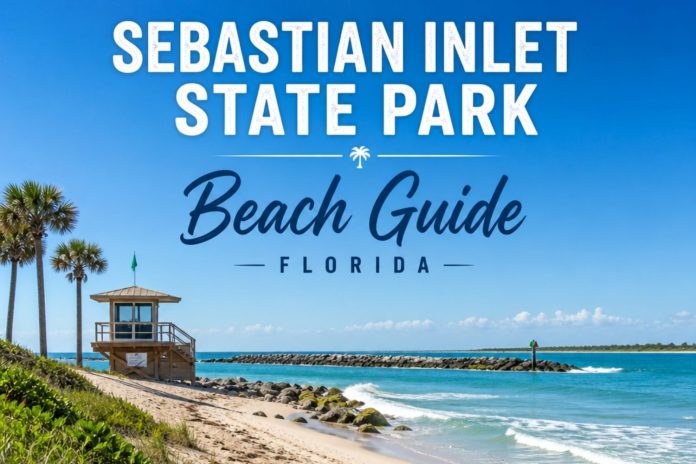
Sebastian Inlet State Park, Florida
Sebastian Inlet State Park straddles the line between Brevard and Indian River counties, and after walking both sides of that inlet more times than I can count, I still think it’s one of the most complete state parks on Florida’s entire east coast. World-class surf, a shipwreck survivors’ camp turned museum, some of the best jetty fishing anywhere, and a calm cove gentle enough for a toddler, all inside one park.
This park sits literally on the county line, with the north side falling in Brevard County and the south side, home to the McLarty Treasure Museum, sitting in Indian River County. The inlet itself has a real, dug-by-hand history, cut through by hand and dredge across several failed attempts between 1872 and 1918 before it finally held. Today it’s one of the most productive fishing and surfing inlets on this entire coast.
In this guide I’m walking you through every distinct piece of this park, going deep on what the sand and water are actually doing here, scoring it honestly across every category that matters, and telling you exactly who this park is built for. I’ll cover the surf breaks that draw riders from around the world, the museum built on a genuine shipwreck survivors’ camp, the calm cove built for families, what’s realistic if you’re traveling with a dog, and the camping that puts you steps from all of it. For more on what lives here and what you might find in the sand, I’ve also written up a full hiking guide, a birding guide, and a beach finds guide for this park. I close with my own take on why this might be the single best all-around state park in this series.
The Vibe & Culture at Sebastian Inlet State Park
A Working Inlet That Somehow Does Everything Well
Most parks pick a specialty. This one seems to have decided it would rather be excellent at all of them at once.
The Sebastian Inlet took decades to actually exist. Captain David P. Gibson first pushed to dig a channel here in 1872, Thomas New tried again in 1881, and water finally flowed briefly in 1895 before a storm sealed it right back up. It wasn’t until 1918, when Roy D. Couch used his own dredge to cut the channel and build a jetty to hold it open, that this inlet became permanent. Everything this park does well today, the fishing, the surf, the wildlife nurseries in the lagoon, exists because that inlet finally stuck.
That working history still defines the place. This isn’t a manicured resort beach, it’s a genuine tidal inlet doing exactly what inlets do, flushing gamefish between ocean and lagoon, building sandbars that create world-class surf, and supporting a lagoon nursery so productive that dolphins and manatees show up as a matter of routine rather than a special sighting.
The crowd here reflects that working identity. Surfers checking First Peak at dawn, anglers working both jetties for snook and Spanish mackerel, campers who’ve booked their spot eleven months in advance, and families splashing in the protected cove all share this park without much friction, since each group has effectively claimed its own corner of it.
Sebastian Inlet State Park Areas: Six Distinct Pieces of One Working Inlet
This park splits cleanly across the inlet itself, with each side and each stretch offering something genuinely different. Here’s how it breaks down.
The North Jetty & First Peak
Brevard County Side · One of Florida’s Most Consistent Surf Breaks
The north jetty anchors what might be the single most famous surf spot in this entire series. First Peak, right next to the jetty, is considered one of the most consistent breaks in Florida, drawing surfers from around the globe and hosting major competitions throughout the year. The jetty itself is ADA accessible and doubles as one of the best fishing spots in the park, with anglers working the rocks for snook, redfish, and Spanish mackerel.
The crowd here is serious and knowledgeable, surfers who track the swell forecast specifically for this break, and anglers who know exactly which tide brings the fish through. On a good day, this stretch has a genuine buzz to it, longboards and rods sharing the same jetty without much tension.
I’ve watched surf competitions here draw crowds that rival anything else in this series, and the break earns every bit of that reputation. If you only surf one spot on this entire Treasure Coast, this is probably the one people will ask you about afterward.
Monster Hole & the South Side
A Shoal, Not a Hole · Long Rides on Big Swells
Monster Hole sits about a third of a mile off the beach on the south side of the inlet, and despite the name, it’s actually a shoal, a rise in the ocean floor that, when the surf gets big, produces long, rideable lines that experienced surfers travel specifically to catch. The south jetty here offers its own fishing access, ADA accessible like its northern counterpart, with the same excellent catches of Spanish mackerel and snapper.
The crowd chasing Monster Hole specifically is a smaller, more dedicated group than the First Peak crowd, since reaching it and riding it well takes real experience. Anglers and casual beachgoers share this stretch more evenly than the north side does.
I think Monster Hole is one of those spots that separates the surfers who read about Sebastian Inlet from the ones who’ve actually spent real time in this water. It’s not beginner terrain, but on the right swell, it’s unforgettable.
The Cove
North Side, Inside the Inlet · Calm, Protected, Family-Built
The Cove is the answer for anyone who wants Sebastian Inlet’s water without Sebastian Inlet’s surf. Sitting on the north side inside the inlet, this protected area has a hard bottom and a gentle slope, sheltered enough from current and waves that it’s become the go-to spot for parents with young kids, or for anyone who simply doesn’t want to fight the Atlantic surf that day.
The crowd here is overwhelmingly families, building sandcastles and wading in genuinely calm, shallow water just a short walk from some of the most consistent surf in the state. It’s a real contrast within the same park, and a lot of visitors don’t realize this option exists until they’ve already committed to the rougher ocean side.
I always mention the Cove specifically to anyone traveling with young children or a nervous swimmer. It’s the kind of feature that makes this park work for a much wider range of visitors than its surf reputation alone would suggest.
The McLarty Treasure Museum & the 1715 Survivors’ Camp
South Boundary, Indian River County · A Genuine Shipwreck Survivors’ Site
The McLarty Treasure Museum sits on the actual site of a survivors’ camp from the 1715 Spanish treasure fleet disaster, the same hurricane-driven wreck event that gave this whole stretch of coast its Treasure Coast name. Seven hundred people died in that storm, and 1,500 survived, some of them camping on this exact ground while they waited for rescue or salvage. The museum’s observation deck overlooks the ocean where salvagers still occasionally work the bottom today, searching for gold, silver, and what locals still call the Queen’s jewels.
The crowd here is smaller and more deliberate than the beach crowd, history buffs and families working a rainy-day plan into their visit. The museum is staffed largely by volunteers, so hours can shift, and it’s worth calling ahead before making a special trip.
Standing on that observation deck, knowing shipwrecked survivors once stood on this exact patch of sand waiting to see if help would come, is the kind of thing that stays with me longer than almost any other single stop in this series.
Sebastian Fishing Museum & the Campground
Central Park Area · History, Full-Facility Camping
The Sebastian Fishing Museum, included in general park admission, tells the story of the area’s early fishing families and the fish houses that once anchored this coast’s working economy. Nearby, the park’s 51-site campground sits centrally located between the inlet and the beach, with water and electric hookups, a fire ring and grill at every site, and full restroom, laundry, and dump station facilities.
The crowd here is a mix of serious anglers using the campground as a fishing base and families treating it as a genuine home base for a multi-day beach and surf trip. Reservations are accepted up to eleven months in advance, and it’s a popular enough spot that booking early genuinely matters.
I’d recommend the campground specifically to anyone planning more than a single day here. Waking up a short walk from both the jetty and the beach, without needing to drive anywhere first, changes the whole rhythm of a visit.
The Hammock Trail & Indian River Lagoon Paddling
South Side · A Mile-Long Nature Walk, Calm-Water Kayaking
Away from the surf and the jetties, the mile-long Hammock Trail offers a quieter side of this park, winding through coastal hammock habitat that couldn’t feel more different from the working inlet just a short walk away. The calmer waters of the Indian River Lagoon on the park’s western side invite kayakers to explore a genuinely wild stretch of water, with spoil islands scattered through the lagoon offering picnic spots, and in some cases, primitive camping.
The crowd here is hikers and paddlers specifically seeking a quieter pace, plus birders working through the park’s more than 180 recorded species across both the ocean and lagoon sides. Pelican Island, the nation’s first National Wildlife Refuge, sits just a mile south of the inlet and makes a natural extension for anyone kayaking this stretch.
I like ending a visit here specifically because of the contrast with everywhere else in the park. You start at a loud, working inlet with surfers and anglers, and you finish paddling calm lagoon water past islands that have been quietly building themselves out of dredge spoil for a century.
Sebastian Inlet State Park Rankings: Expert Scores Across 11 Categories
These scores weigh the whole park, from the world-class surf breaks to the calm family cove and the genuine shipwreck history, since this park’s real strength is doing all of it well at once.
Sand Quality
8/10
Three miles of genuinely natural Atlantic beach, undeveloped and shell-rich, with real rock structure near both jetties.
Hiking & Beach Walking
8/10
Three miles of beach plus the mile-long Hammock Trail and a Volksport walking route covering the jetty, cove, and nature trail together.
Shelling
7/10
Genuinely good along the open beach, particularly after a storm swell pushes material up from the extensive rock reefs just offshore.
Water Conditions
8/10
World-class surf, a genuinely calm family cove, and reef diving all inside one park, though real current runs near the inlet channel and under the bridge.
Scenery & Natural Beauty
9/10
A genuine working inlet, undeveloped dunes, coastal hammock, and lagoon spoil islands all visible within the same park boundary.
Birding & Wildlife
9/10
More than 180 bird species, dolphins as a near-daily sighting, manatees March through October, and even a chance at spotting a right whale in winter.
Family Friendliness
8/10
The Cove is a genuine standout for families with young kids, and the on-site museums give a rainy-day backup few other parks in this series can match.
Dog Friendliness
4/10
Leashed pets are welcome in the campground, day-use parking areas, and on the Hammock Trail, but Florida State Parks policy keeps pets off every beach in the park, including the Cove, not just the main swimming area.
Solitude & Peace
5/10
This is a genuinely popular park, and the north side regularly reaches capacity on weekends and peak periods. Weekday mornings are your best bet for quiet.
Entertainment & Nightlife
3/10
A concession grill and gift shop on site, but no real nightlife. This park’s energy comes from surfing and fishing, not evening entertainment.
Parking & Beach Access
7/10
A modest entrance fee applies, and construction on the Sebastian Inlet bridge starting in 2026 may affect access and traffic, so check current conditions before you go.
Sebastian Inlet State Park Sand & Water
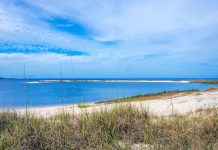
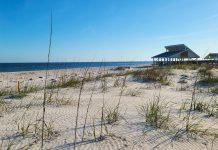
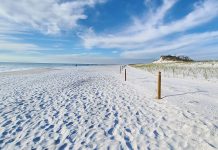
The sand here runs natural and undeveloped for the full three miles, wide enough to spread out even on a busy weekend, with the upper beach soft enough for real sandcastles and the packed sand at the waterline giving you a firm, easy surface for walking. The ground turns rockier right around both jetties, where structure changes the footing, and the protected Cove on the north side sits on a completely different hard, gently sloping bottom rather than loose open sand.
The water ranges from genuinely world-class breaking surf at First Peak to flat, current-free calm at the Cove, more range than almost anywhere else in this series. On the open beach, entry is fairly gradual and the color runs a good turquoise on a calm day, though current runs stronger right at the jetties and the inlet mouth. The Cove is the easy answer for families or nervous swimmers on a day when the ocean side looks like too much.
-
Walkability. Excellent along the three miles of open beach, rockier and slower right at both jetties.
-
Softness & Playability. Soft and sandcastle-ready on the open beach, with a completely different hard, sloped bottom at the Cove that’s better for wading than building.
-
Barefoot Comfort. Comfortable along the open beach, dropping off right around the jetties, where rock structure rewards water shoes.
-
Swimmability. Strong at the Cove for families and nervous swimmers, more demanding on the open Atlantic beach, especially near the jetties where current runs stronger.
Want the full geology, grain composition, and the complete sand and water condition ratings? I broke it all down separately in Sand & Shore: Sebastian Inlet State Park.
Dogs & Pet Accessibility at Sebastian Inlet State Park
Are Dogs Allowed on the Sand? NO.
Leashed pets are genuinely welcome in much of this park, but standard Florida State Parks policy keeps them off every beach here, including the Cove, not just the main swimming area.
Where Dogs Are Allowed
- ✓The campground, on a six-foot leash, with pets welcome at your site.
- ✓Day-use parking areas on both the north and south sides of the inlet, on a leash.
- ✓The Hammock Trail, on a leash, a genuinely pleasant mile-long walk through the mangrove fringe.
Where Dogs Are NOT Allowed
- ✗Every beach in the park, including the main ocean beach and the Cove. This changed even at the Cove in recent years, so don’t assume older reviews still apply.
- ✗The museums, concession building, and any other park building.
Paws on the Ground Reality
This is a genuinely popular park for camping with a dog, and the campground itself is comfortable for pets, but don’t come expecting a beach day together. The Hammock Trail is the real answer for a dog walk here, shaded in sections and running along the mangrove fringe, though there’s very little shade elsewhere in the park, so avoid bringing a dog out during the hottest part of a summer day. One long-time camper specifically noted the Cove used to allow pets and no longer does, so don’t rely on older trip reports.
Enforcement here is consistent with statewide Florida State Parks policy rather than a local quirk, so it’s not a gray area or something worth pushing back on at the gate. If a real beach day with your dog is the goal, Jensen Beach and Stuart, covered elsewhere in this series, offer Martin County’s countywide leashed-dog beach access instead.
Crowd Levels and the Overall Feel of Sebastian Inlet State Park
This park draws a genuinely dedicated crowd, and it shows in how full the north side can get on weekends and during peak surf and fishing seasons. It’s popular enough that the park itself will temporarily close the north side to incoming visitors once capacity is reached.
You’ll find a different crowd depending on where you go. The jetties draw serious surfers and anglers. The Cove draws families. The museums draw history buffs. The campground draws a mix of all of them settling in for a multi-day stay.
The overall feel shifts by season more around surf swell and wildlife than typical tourist patterns:
- Winter: the best chance at spotting a right whale offshore, plus comfortable weather and steady crowds
- Spring: pleasant water, migrating songbirds at Coconut Point Sanctuary, and the start of sea turtle nesting season
- Summer: peak nesting and hatching activity, ranger-led turtle walks in June and July, and the busiest crowds of the year
- Fall: storm-driven swell often improves the surf, with noticeably lighter crowds than summer
Who Is Sebastian Inlet State Park Really For?
✓ Who Will Love Sebastian Inlet State Park
-
Surfers chasing First Peak and Monster Hole, two of Florida’s most respected breaks
-
Serious anglers wanting some of the best jetty and inlet fishing on Florida’s east coast
-
Families with young children who want a genuinely calm, protected swimming option at the Cove
-
History buffs curious about a real 1715 Spanish treasure fleet survivors’ camp
-
Campers wanting a full-facility site within walking distance of both surf and fishing
-
Wildlife watchers hoping for dolphins, manatees, and a rare winter right whale sighting
✗ Consider Another Beach If…
-
You want genuine solitude. This is one of the most popular parks in this entire series, and it shows on weekends
-
You’re a beginner surfer looking for gentle waves. First Peak and Monster Hole both reward real experience
-
You’re planning a trip specifically around the McLarty Museum without calling ahead. It’s volunteer-staffed and hours can shift
-
You’re visiting during the 2026 bridge construction window without checking current access conditions first
-
You want to bring your dog onto any beach, including the Cove. Leashed pets are welcome elsewhere in the park, but not on the sand
Things to Do at Sebastian Inlet State Park, Florida
This park offers a genuinely rare range of activity for a single state park. Here’s what actually fills a visit here.
-
Surfing First Peak or Monster Hole. Two of Florida’s most respected breaks, drawing riders from around the world and hosting major competitions.
-
Fishing Both Jetties. Premier saltwater fishing for snook, redfish, bluefish, Spanish mackerel, and snapper, with both jetties ADA accessible.
-
Swimming at the Cove. A calm, protected, hard-bottomed pool on the north side of the inlet, ideal for young kids or nervous swimmers.
-
Touring the McLarty Treasure Museum. Built on the actual site of a 1715 Spanish treasure fleet survivors’ camp, with an observation deck over the ocean.
-
Visiting the Sebastian Fishing Museum. Included in park admission, telling the story of the area’s early fishing families.
-
Snorkeling and Diving the Reefs. Extensive rock reefs stretch south of the inlet, with best visibility in summer. A dive flag is required within 100 feet.
-
Sea Turtle Walks. Ranger-led walks in June and July let visitors observe nesting loggerheads, with reservations available through the Friends of Sebastian Inlet.
-
Kayaking the Indian River Lagoon. Calm water, spoil islands, and a short paddle to Pelican Island, the nation’s first National Wildlife Refuge.
-
Birding. More than 180 species recorded, with Coconut Point Sanctuary especially strong for migrating songbirds in spring.
Local Knowledge and Practical Advice
A few things I’ve picked up visiting this park more times than I can count:
-
Bring cash or a card for the entrance fee. Current rates run $8 per vehicle with multiple occupants, $4 for a single-occupant vehicle, and $2 for pedestrians, bicyclists, and extra passengers.
-
Check current access conditions before visiting in 2026. Construction on the Sebastian Inlet bridge along Jimmy Buffett Memorial Highway may affect traffic and campground entrance access.
-
The north side reaches capacity and temporarily closes on busy weekends. Arrive early or plan a weekday visit if crowds concern you.
-
Call ahead before visiting the McLarty Treasure Museum specifically. It’s staffed largely by volunteers, and posted hours can shift.
-
Book campsites as early as the eleven-month reservation window allows. This is one of the most popular campgrounds in this entire series.
-
Pack real mosquito protection if you’re camping. Visitors consistently report heavy mosquito activity, especially in early morning and evening.
-
Stay within 100 feet of a dive flag if you’re snorkeling or diving. Diving and snorkeling are prohibited under the bridge and within the boat channel entirely.
-
Leashed pets are welcome in the campground and day-use areas but not on any beach, including the Cove. Plan accordingly if you’re traveling with a dog.
-
Head to the Cove if the ocean side looks rough. It’s the built-in backup plan for families or nervous swimmers on a big surf day.
-
Consider a paddle to Pelican Island if you have a kayak. The nation’s first National Wildlife Refuge sits just a mile south of the inlet.
Where to Stay Near Sebastian Inlet State Park, Florida
This park offers genuine on-site camping, along with nearby options on both sides of the county line.
Camping Inside the Park
The park’s 51-site campground sits centrally located between the inlet and the beach, with full water and electric hookups, reservable up to eleven months in advance.
Melbourne Beach & Indialantic
A short drive north on the Brevard County side, these towns offer a range of hotels and vacation rentals close to the park’s north entrance.
Sebastian & Vero Beach
A short drive south on the Indian River County side, covered in the companion guide to this park, offers a wider range of hotels, vacation rentals, and dining options.
RV Resorts
Several RV parks in the surrounding area cater specifically to visitors touring this stretch of the Treasure Coast by RV.
Inland & Budget Options
Melbourne and Palm Bay, both a reasonable drive inland, offer a wider range of budget to mid-range hotel chains for visitors who’d rather day-trip to the park than stay directly on the coast.
What Makes Sebastian Inlet State Park Different from Nearby Beaches
Sebastian Inlet stands apart from every other park in this series because it genuinely excels at more categories at once than anywhere else covered here.
A few features make it distinct:
Two nationally respected surf breaks in one park
First Peak and Monster Hole both carry real reputations among serious surfers, a rare combination anywhere on the East Coast.
A real shipwreck survivors’ camp, not a plaque
The McLarty Treasure Museum sits on the actual ground where 1715 fleet survivors waited out their ordeal.
A built-in calm-water backup for rough surf days
The Cove gives this park a family-friendly option that most serious surf destinations simply don’t offer.
A park literally split across two counties
Few parks in this series let you cross a county line without ever leaving the property.
Sebastian Inlet State Park vs. Other Nearby Beaches
These are the beaches visitors most often weigh against this park, and the honest read on when you’d choose one over the other.
Sebastian Inlet vs. Fort Pierce Inlet State Park
Fort Pierce Inlet, covered elsewhere in this series, offers a comparable historic surf break and reef with a quieter, less crowded feel. Choose Sebastian Inlet for a bigger, more famous surf reputation and a genuine family cove option.
Sebastian Inlet vs. Sebastian & Vero Beach
Sebastian and Vero Beach, covered in the companion guide to this park, offer a wider range of city beaches and amenities. Choose this park specifically for the surf, the fishing, and the shipwreck history.
Sebastian Inlet vs. St. Lucie Inlet Preserve State Park
St. Lucie Inlet Preserve requires a boat and offers total solitude. Sebastian Inlet trades that solitude for road access, camping, and two museums.
Sebastian Inlet vs. Canaveral National Seashore
Canaveral National Seashore, a longer drive north in Brevard County, offers even more undeveloped mileage. Sebastian Inlet counters with better-known surf breaks and a much more complete set of on-site amenities.
Bottom line: Sebastian Inlet State Park earns its reputation as one of Florida’s premier state parks by doing an unusual number of things well at once, world-class surf, premier fishing, real history, and a genuine family-friendly option, all inside one entrance fee.
Sebastian Inlet State Park, Florida: Frequently Asked Questions
What county is Sebastian Inlet State Park in?
The park sits directly on the county line. The north side, including First Peak, falls in Brevard County, while the south side, including the McLarty Treasure Museum, sits in Indian River County.
What is the entrance fee at Sebastian Inlet State Park?
Current rates run $8 per vehicle with multiple occupants, $4 for a single-occupant vehicle, and $2 for pedestrians, bicyclists, and extra passengers. A separate boat ramp fee also applies.
Is Sebastian Inlet good for surfing?
Yes, genuinely world class. First Peak, next to the north jetty, is considered one of Florida’s most consistent breaks, and Monster Hole, a shoal on the south side, produces long rides on big swells.
Is there a calm swimming area at Sebastian Inlet State Park?
Yes. The Cove, on the north side inside the inlet, offers a protected, hard-bottomed, gently sloping pool ideal for young children or nervous swimmers, a real contrast to the open Atlantic surf nearby.
What is the McLarty Treasure Museum?
A museum built on the actual site of a survivors’ camp from the 1715 Spanish treasure fleet disaster, which gave this stretch of coast its Treasure Coast name. It’s staffed largely by volunteers, so call ahead to confirm hours.
Can you camp at Sebastian Inlet State Park?
Yes. A 51-site full-facility campground sits centrally located between the inlet and the beach, with water and electric hookups, reservable up to eleven months in advance.
What wildlife can you see at Sebastian Inlet State Park?
More than 180 bird species, dolphins as a near-daily sighting, manatees from March through October, and, in January and February, an occasional right whale, one of the most endangered whale species in the world.
Are dogs allowed at Sebastian Inlet State Park?
Leashed pets are welcome in the campground, day-use parking areas, and on the Hammock Trail, but standard Florida State Parks policy keeps pets off every beach in the park, including the Cove, not just the main swimming area.
When is sea turtle nesting season at Sebastian Inlet?
Nesting season runs through the summer, with ranger-led loggerhead turtle walks offered in June and July through reservations with the Friends of Sebastian Inlet.
How does Sebastian Inlet compare to Fort Pierce Inlet State Park?
Sebastian Inlet carries a bigger surf reputation and more on-site amenities, including two museums and full-facility camping. Fort Pierce Inlet offers a quieter, less crowded version of a similar working-inlet experience.
Patti’s Perspective: My Honest Take on Sebastian Inlet State Park
I’ve covered a lot of state parks in this series, and I don’t say this lightly: Sebastian Inlet might be the single most complete one I’ve walked. Most parks earn their reputation doing one thing exceptionally well. This one seems to have decided that wasn’t enough.
What stays with me most is standing on the McLarty Museum’s observation deck, looking out at water where salvagers still occasionally search for gold three centuries after that 1715 storm, and then walking a short distance to watch surfers casually catch waves at one of the most respected breaks in the state, like nothing unusual had ever happened here at all. History and recreation aren’t just coexisting at this park, they’re practically standing shoulder to shoulder.
The Cove is the detail that convinces me this park was actually built with real thought behind it. Anyone can build a beach for surfers. Building a genuinely calm, protected pool a short walk from some of the roughest, most respected surf in the state, specifically so families and nervous swimmers have somewhere to go, is the kind of decision that shows real care for who actually shows up.
My honest caveat: this park’s popularity is real, and weekends will test your patience if solitude is what you’re after. Come on a weekday if you can, book your campsite early if you’re staying, and give yourself enough time to see both sides of the inlet. This is not a park you rush through in an afternoon.
My verdict: 9/10. Quite possibly the most complete state park in this entire series, world-class surf, premier fishing, real shipwreck history, and a family-friendly cove, all inside one entrance fee. It loses a little on solitude simply because everyone else already knows how good it is too.
Want to Live by the Water?The communities on both sides of Sebastian Inlet, Melbourne Beach and Indialantic to the north, Sebastian and Vero Beach to the south, offer some of the more desirable waterfront real estate on the Treasure Coast, drawing buyers specifically for proximity to this park’s surf, fishing, and lagoon access.
The market here spans a genuine range, from oceanfront condos and homes near the inlet itself to more moderately priced properties a short drive inland. Surfers, anglers, and boating families make up a meaningful share of the buyer pool on both sides of the county line, drawn by direct access to some of the best water this stretch of Florida offers.
If living by the water is something you’re considering, whether full time, part time, or as an investment, it’s worth exploring what’s available in this area.
Explore Waterfront Living at LiveByTheWater.com
Real estate referral partner