

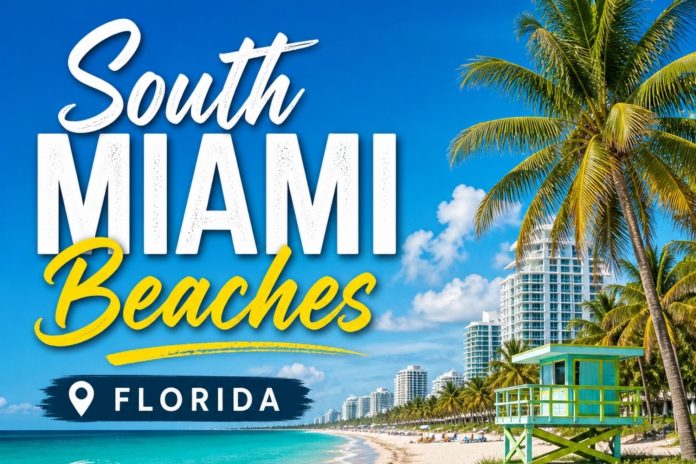
South Miami Beaches: Virginia Key, Matheson Hammock & Homestead Bayfront
This guide covers the beaches most visitors drive right past, and that is exactly why I am writing it. From a barrier island beach with real civil rights history to a set of man made tidal pools invented in the 1930s and still working exactly as designed, this stretch of Miami Dade County has nothing to prove and no interest in performing for a crowd.
This guide spans a wide stretch of Miami Dade County, from Virginia Key, the barrier island just south of Miami Beach, down through Matheson Hammock Park in Coral Gables, and all the way to Homestead Bayfront Park at the edge of Biscayne National Park. None of these are the beaches you see on postcards, and that is precisely their appeal. What connects them is not geography so much as a shared design philosophy, county parks built decades ago by people who wanted South Florida’s coastal beauty to actually be usable, safe, and open, sometimes only after a real fight to make that true.
In this guide I am walking you through six distinct stops, going deep on what makes the sand and the famous man made atoll pools here genuinely different from anywhere else in Miami, scoring everything honestly, and telling you exactly who each of these spots serves best. I close with what a beach built out of exclusion, and later reclaimed by the community that loved it, taught me about the word paradise.
The Vibe & Culture South of the City
A Working Waterfront, Not a Postcard
Cross onto Virginia Key and the first thing you notice is how unfinished everything feels, in the best possible way.
Virginia Key sits between Miami Beach and Key Biscayne, connected to the mainland by the same Rickenbacker Causeway that carries traffic to both. Unlike its glossier neighbors, this island has spent decades as Miami’s working waterfront, home to a wastewater treatment plant, a marine science campus, and until it closed in October 2025, the Miami Seaquarium. The Miami Marine Stadium, a striking 1963 concrete grandstand abandoned since Hurricane Andrew and covered in decades of graffiti, still sits fenced off on the island’s western basin, though the city approved an operator in early 2026 and a public referendum on its future restoration is expected in August 2026. This is not a manicured island, and it does not pretend to be.
Further south, Matheson Hammock and Homestead Bayfront belong to a different, older Miami tradition entirely, county parks built in the 1930s and 1950s around a genuinely clever idea, a man made tidal pool, or atoll, that lets the bay flush itself naturally while keeping swimmers protected from open water. These parks draw a heavily local crowd, families who have been coming for three generations, boaters launching for a day on the water, and almost nobody who flew in specifically to see them.
Seasonally, this stretch runs on the same broad South Florida calendar as the rest of the coast, warm nearly year round, busiest in winter, quietest midweek. What sets it apart is who shows up. Windsurfers and kiteboarders chase the daily breeze on Virginia Key regardless of season. Families claim the atoll pools on weekend mornings before the sun gets too high. And at Historic Virginia Key Beach Park, the crowd includes people who have been coming since segregation, and their grandchildren, who now come for entirely different reasons.
South Miami Beach Areas: Six Distinct Stops
Here is how this spread out stretch of coastline actually breaks down, and what makes each stop worth the drive.
Historic Virginia Key Beach Park (North Point)
Rickenbacker Causeway · Miami’s Historic Black Beach
This park carries more American history in one mile of shoreline than almost anywhere else I have covered on this coast. In 1945, after a group of civil rights activists staged a wade in protest at the whites only Baker’s Haulover Beach, Dade County designated this stretch of Virginia Key as the first officially recognized beach for African Americans in the county. For nearly four decades it was a sanctuary, the place Miami’s Black community gathered for religious services, family picnics, and simple, ordinary beach days that segregation denied them everywhere else. The Virginia Key Beach Park Trust now operates the site, restored and reopened to the public in 2008 after closing in 1982.
Today the beach itself runs a genuine mile long, the only replenished shoreline within the City of Miami, backed by swaying palms, a restored antique carousel, and a miniature train that carries visitors through the park’s coastal hammock and wetlands. You will find a mixed crowd here, families who have been coming for generations, history minded visitors, event groups renting the pavilions, and locals who simply know this is one of the least crowded barrier island beaches left this close to downtown.
I never leave this park without spending real time at the small museum exhibits near the entrance. Understanding what this sand meant to the people who fought to get access to it, and later fought again to save it from private development, changes how you experience every other beach on this coast.
Hobie Island Beach Park (Windsurfer Beach)
Along the Rickenbacker Causeway · Wind, Waves & Dogs
Pull off the causeway before you reach Virginia Key proper and you land at Hobie Island Beach Park, better known locally as Windsurfer Beach. This narrow strip of sand faces Biscayne Bay rather than the open Atlantic, which means the water stays shallow, warm, and calm, rarely rising above waist deep for a long stretch offshore, and a steady daily breeze has made this the undisputed center of windsurfing and kiteboarding in Miami for more than two decades. The North Hobie Island section reopened in late 2024 after a fourteen million dollar renovation that had kept it closed for seven years following storm damage.
The crowd here splits cleanly between water sports regulars renting gear from the long running concessions on the South section, and dog owners, since this is widely regarded as the best dog friendly beach in the Miami area, with shallow water gentle enough for dogs of any size and enough open sand for real off leash running. Photographers show up specifically for the Miami skyline views across the bay, especially at sunset.
I love this stretch precisely because it never tries to be more than what it is, free parking, a genuine local vibe, and some of the best skyline views on this whole coast for the price of a causeway toll.
Virginia Key’s Working Waterfront: Marine Stadium & the Old Seaquarium Site
Basin & Bayside · Miami’s Most Interesting Ruin
This is not a swimming stop, but it belongs in this guide because it defines the character of the whole island. The Miami Marine Stadium, a 6,566 seat concrete grandstand built in 1963 by a 28 year old Cuban immigrant architect, once hosted powerboat races, Jimmy Buffett concerts, and a climactic speedboat scene in an Elvis Presley film. Hurricane Andrew forced its closure in 1992, and it sat fenced off and graffiti covered for more than three decades while preservationists fought to save it. As of early 2026 the city has approved an operator for its restoration, pending a public referendum expected later that year.
The basin in front of the stadium still draws rowers, kayakers, and the occasional vintage powerboat race for special events, while the shuttered Miami Seaquarium site next door, closed to the public since October 2025, sits in limbo awaiting a decision on its future. Walking or biking this stretch feels like watching Miami argue with itself about what it wants to become.
I bring visitors here specifically because it complicates the postcard version of Miami. This island holds a working wastewater plant, a marine science university, an abandoned stadium, and one of the most important civil rights sites in Florida, all within a couple of miles of each other, and none of it is trying to be pretty for you.
Matheson Hammock Park: The Atoll Pool
Old Cutler Road, Coral Gables · The Original Tidal Pool Beach
William J. Matheson, the same coconut plantation owner whose family later donated the land that became Crandon Park, gave Dade County its very first park here in 1930. Civilian Conservation Corps crews spent the mid 1930s hand building the coral stone walls and the park’s signature feature, a man made atoll pool, a circular lagoon dredged into the bay and flushed naturally by the tide through a narrow opening. It survived a 1945 hurricane that sent twelve foot waves over the park, and it still works exactly as designed nearly a century later.
The crowd here is heavily local and heavily generational, families who have been bringing their kids, then their grandkids, to this same circular beach for decades. The shallow, current free water inside the atoll makes it one of the safest places in Miami Dade County for small children to swim, while the marina on the north end draws boaters and the historic coral rock restaurant, now operating as NOMA Beach at Redfish after the original Red Fish Grill closed following hurricane damage, draws a dinner crowd for the sunset views alone.
I come here specifically for the atoll pool’s particular kind of calm, water that genuinely never gets rough no matter what the open bay is doing just beyond the rock wall. It is one of the smartest pieces of beach engineering I have found anywhere in Florida, and it is entirely a product of 1930s public works labor rather than modern technology.
Homestead Bayfront Park: The Southern Atoll Pool & Biscayne Gateway
Convoy Point, Homestead · The Quiet Cousin of Matheson Hammock
Nearly forty minutes south of the city, Homestead Bayfront Park uses the same atoll pool concept as Matheson Hammock, officially dedicated in 1955 on land originally deeded to the county in 1938. It sits directly beside the Dante Fascell Visitor Center for Biscayne National Park, making it the natural launching point for anyone heading out to explore the reef, and it has earned a genuine local nickname, a mini Florida Keys, for water clarity that rivals the actual Keys without the extra hour of driving.
The crowd skews heavily local and family oriented, boaters using the Herbert Hoover Marina’s ramps, families drawn by the shallow, gentle atoll water and the park’s colorful lifeguard stands, one of which was painted by Miami artist Romero Britto, and day trippers catching the boat shuttle to Elliott Key or Boca Chita Island. Keep an eye on posted signage here, since American crocodiles are occasionally spotted in the area, a genuine reminder of how close you are to the edge of the Everglades ecosystem.
I send people here specifically when they want the atoll pool experience without Matheson Hammock’s weekend crowds, and when they are already planning a Biscayne National Park day and want a beach stop that makes sense on the same trip.
Deering Estate at Cutler: A Different Kind of Beach Day
Old Cutler Road, Palmetto Bay · History, Fossils & a Natural Shoreline
This is not a swimming beach, and I want to be upfront about that, but the Deering Estate belongs in any honest guide to this stretch of coast. Charles Deering, a Chicago industrialist and art collector, built his winter home here in 1922 on land that had already been home to a Tequesta settlement for centuries. The estate’s Cutler Fossil Site has yielded remains from Ice Age megafauna, and the Cutler Burial Mound remains one of only two documented, unearthed Tequesta burial sites anywhere in the region.
The crowd here is almost entirely history and nature focused rather than beach focused, visitors on guided Nature Preserve tours, birders working a site recognized as part of the Biscayne Bay Important Bird Area, and kayakers launching for moonlight paddles to Chicken Key, a small mangrove island just offshore. The natural, rocky shoreline and tidal creek here look nothing like a sandy beach, and that is exactly the point.
I include this stop for anyone who wants a genuinely different kind of coastal day, one built around 10,000 years of human history rather than a beach chair. It is the most quietly profound place on this entire list.
South Miami Beaches Rankings: Expert Scores Across 11 Categories
These scores weigh the full spread of stops in this guide, from Virginia Key’s barrier island sand to the engineered calm of the atoll pools further south.
Sand Quality
7/10
Genuinely good at Virginia Key Beach Park, the only replenished natural shoreline within the City of Miami. The atoll pool beaches further south are smaller but well maintained.
Hiking & Beach Walking
7/10
Strong at Virginia Key’s coastal hammock trails and Deering Estate’s guided nature walks, though the stops in this guide are spread across many miles rather than one connected walk.
Shelling
5/10
Modest across the board. This part of the coast was never built around shelling, and the tidal atoll pools especially are not natural shell habitat.
Water Conditions
8/10
The atoll pools at Matheson Hammock and Homestead Bayfront offer some of the calmest, safest swimming water in Miami Dade County, genuinely engineered for that purpose.
Scenery & Natural Beauty
8/10
Genuine Old Florida character throughout, mangroves, coastal hammock, and working waterfront views that feel a world away from the condo skyline further north.
Birding & Wildlife
8/10
Deering Estate alone hosts an estimated 170 resident and migratory bird species, and American crocodiles turn up near Homestead Bayfront. This is a genuinely wild stretch of coast.
Family Friendliness
9/10
The atoll pools at Matheson Hammock and Homestead Bayfront are purpose built for small children, calm, shallow, and current free by design.
Dog Friendliness
9/10
Hobie Island Beach Park is widely regarded as the single best dog beach in the greater Miami area, shallow water and real off leash room included.
Solitude & Peace
7/10
Noticeably quieter than Miami Beach or Sunny Isles across the board, though Matheson Hammock and Homestead Bayfront both draw real weekend crowds locally.
Entertainment & Nightlife
3/10
Minimal by design. A handful of waterfront restaurants, not a nightlife scene, and that is exactly what this stretch of coast is for.
Parking & Beach Access
6/10
Free at Hobie Beach beyond the causeway toll, modest entrance fees elsewhere. The real challenge is the driving distance between stops rather than parking itself.
South Miami Beaches Sand & Water
Sand across this guide varies more than anywhere else in this series, since it ranges from Virginia Key’s genuine mile long barrier island beach to the small, circular strips of sand wrapped around Matheson Hammock and Homestead Bayfront’s man made tidal pools. Virginia Key’s beach runs wide and flat, soft enough on the upper sand for sandcastles and firm at the waterline for an easy walk. The atoll pool beaches further south are smaller, but the sand there stays fine and comfortable, since the protected, low energy water keeps it from churning the way an open beach does.
Water conditions split cleanly into two categories here. Virginia Key and Hobie Island give you real bay and ocean water, calm and shallow, with generally good visibility. Matheson Hammock and Homestead Bayfront take a different approach entirely, tidal pools engineered nearly a century ago specifically to keep the water calm, current free, and safe for small children, regardless of what the open bay is doing just beyond the rock wall.
-
Walkability. Excellent at Virginia Key’s mile long shoreline and Hobie Island’s shallow flats. Shorter but pleasant at the smaller, circular atoll pool beaches.
-
Softness & Playability. Soft and sandcastle ready at Virginia Key, with plenty of open ground for games at every stop in this guide.
-
Barefoot Comfort. Comfortable throughout, with the shaded, tree lined atoll pool beaches staying especially pleasant underfoot at midday.
-
Swimmability. Excellent at the atoll pools, genuinely engineered for calm, safe swimming. Virginia Key Beach Park does not maintain continuously stationed lifeguards, so swim with extra caution there.
Want the full geology, grain composition, and the complete sand and water condition ratings? I broke it all down separately in Sand & Shore: South Miami Beaches.
Dogs & Pet Accessibility at South Miami’s Beaches
Are Dogs Allowed on the Sand? RESTRICTED.
Policy shifts sharply across this guide’s six stops, from a genuine off leash dog beach at Hobie Island to a hard no at Matheson Hammock.
Where Dogs Are Allowed
- ✓Hobie Island Beach Park’s sand and shallow bay water, widely regarded as the best dog beach in the greater Miami area.
- ✓Homestead Bayfront Park’s picnic grounds and walkways, on a leash, though the beach and atoll pool itself are off limits.
Where Dogs Are NOT Allowed
- ✗Historic Virginia Key Beach Park, sand and grounds alike, since the park is managed as a protected ecological and historic site.
- ✗Matheson Hammock Park, sand and grounds alike. Miami Dade County’s own park page confirms pets are not allowed anywhere on site.
- ✗Homestead Bayfront Park’s beach and atoll pool swimming area.
- ✗Deering Estate’s Nature Preserve trails, since access there only happens through a guided tour of a protected area.
Paws on the Ground Reality
Hobie Island is genuinely worth the separate stop if a dog is part of your trip, shallow water, real off leash space, and a crowd of regulars who bring their dogs specifically for this stretch. Bring your own water regardless, since there is no reliable fountain right at the sand. Homestead Bayfront works well for a leashed walk around the picnic grounds before or after your Biscayne National Park trip, just plan on the dog sitting out the atoll pool itself. Enforcement at Matheson Hammock and Virginia Key Beach Park is real, with signage posted at both, so don’t plan on a quiet corner looking the other way at either one.
Crowd Levels and the Overall Feel of This Stretch
Crowd levels here run consistently lower than Miami Beach or Sunny Isles, though the mix of who shows up varies sharply by location. Virginia Key draws history minded visitors and a loyal local crowd. Hobie Island draws water sports regulars and dog owners. Matheson Hammock and Homestead Bayfront draw heavily local, multigenerational families.
The overall feel shifts by season much like the rest of this coast:
- Winter: the busiest season for the atoll pool parks, with local families filling weekend picnic areas
- Spring: comfortable and increasingly busy, with steady wind drawing windsurfers to Hobie Island
- Summer: hot and humid, thinner on weekdays, genuinely busy at the atoll pools on weekends
- Fall: my favorite window, warm water, thin crowds, and the clearest days for a Biscayne National Park trip out of Homestead Bayfront
Who Is This Stretch Really For?
✓ Who Will Love It
-
History lovers, given Virginia Key Beach Park’s civil rights significance and Deering Estate’s 10,000 years of documented human history
-
Families with young kids, thanks to the atoll pools’ engineered, current free calm at Matheson Hammock and Homestead Bayfront
-
Dog owners, given Hobie Island’s reputation as the area’s best dog friendly beach
-
Windsurfers and kiteboarders chasing Miami’s most consistent daily breeze
-
Anyone planning a Biscayne National Park trip, since Homestead Bayfront sits right at the gateway
-
Birders and nature focused travelers, given Deering Estate’s documented 170 plus bird species
✗ Consider Another Beach If…
-
You want one big beach day rather than several shorter stops spread across many miles of driving
-
You want nightlife or walkable dining right off the sand. Head to Miami Beach instead
-
You need continuously staffed lifeguards at every stop. Virginia Key Beach Park does not maintain them
-
You are hoping for wide, open ocean swimming. Much of this guide’s calm water comes from engineered, semi enclosed pools rather than the open Atlantic
-
You are a dedicated sheller chasing a real haul
Things to Do Across South Miami’s Beaches
Between six stops, this guide covers more variety than any single beach in this series.
-
Virginia Key’s Carousel & Mini Train. Historic Virginia Key Beach Park’s restored antique carousel and miniature train carry visitors through the coastal hammock and wetlands.
-
Windsurfing & Kiteboarding. Hobie Island Beach Park’s steady daily bay breeze has made it Miami’s undisputed center for both sports for more than two decades.
-
Off Leash Dog Time. Hobie Island’s shallow, gentle water and open sand make it the area’s most reliable dog beach.
-
Atoll Pool Swimming. Matheson Hammock and Homestead Bayfront both offer calm, engineered tidal pools that rank among the safest swimming water for small kids in the county.
-
Boating & Biscayne National Park Trips. Homestead Bayfront’s Herbert Hoover Marina and Dante Fascell Visitor Center make it the natural launch point for reef and island tours.
-
Guided Nature Tours. Deering Estate’s daily Nature Preserve tours cover the Cutler Fossil Site and Cutler Burial Mound, both otherwise inaccessible to the public.
-
Kayaking & Paddleboarding. Rentals and calm water are available throughout, with Deering Estate’s moonlight kayak tours to Chicken Key a genuine standout.
-
Birding. Deering Estate’s guided bird walks and Virginia Key’s coastal hammock both draw serious birders throughout the season.
-
Waterfront Dining. NOMA Beach at Redfish inside Matheson Hammock and La Playa Grill at Homestead Bayfront both serve genuinely good seafood with real water views.
Local Knowledge and Practical Advice
A few things I have picked up covering this spread out stretch of coast:
-
Budget separate entrance fees for each stop. Virginia Key Beach Park runs five dollars on weekdays and ten dollars on weekends per vehicle, while Matheson Hammock and Homestead Bayfront both charge modest parking fees on top of any Rickenbacker Causeway toll if you are coming from Virginia Key first.
-
Confirm current pet rules before bringing a dog anywhere except Hobie Island. Hobie Island is a reliable, well documented dog beach. Rules at the other stops in this guide have shifted over the years, so check current signage.
-
Virginia Key Beach Park does not maintain continuously stationed lifeguards. The water is usually calm, but swim with extra caution and stay close to shore if you are not a strong swimmer.
-
Take crocodile warning signs at Homestead Bayfront seriously. American crocodiles are occasionally spotted in the area, a genuine reminder of how close you are to the Everglades ecosystem.
-
Plan real driving time between stops. This guide spans nearly forty miles from Virginia Key to Homestead Bayfront. Pick two or three stops per day rather than trying to see all six.
-
Spend real time with the history at Virginia Key Beach Park. The small museum exhibits near the entrance add context that changes how the rest of the visit feels.
-
Save Hobie Island for late afternoon. The wind picks up, and the sunset skyline view across the bay is one of the best in Miami.
-
Book Deering Estate’s Nature Preserve tour in advance if the fossil site and burial mound are your priority. Public access to those specific areas only happens through the guided tour.
-
Pair Homestead Bayfront with an actual Biscayne National Park boat trip. The atoll pool alone does not show you what makes this corner of Florida genuinely special.
Where to Stay Near South Miami’s Beaches
Lodging directly at any of these stops is limited, since most are day use county parks rather than resort destinations.
Coral Gables
Hotels in Coral Gables, a short drive from Matheson Hammock, offer a wide range of options from historic properties to modern boutique hotels, all convenient to Fairchild Tropical Botanic Garden as well.
Coconut Grove
A short drive from both Virginia Key and Matheson Hammock, Coconut Grove offers a walkable, tree lined base with easy access to both ends of this guide.
Homestead & Florida City
Budget friendly chain hotels cluster near Homestead Bayfront Park and the entrance to the Florida Keys, useful if Biscayne National Park or the Keys are part of a longer trip.
Camping
Biscayne National Park offers primitive camping on Elliott Key and Boca Chita Island, both reachable by boat shuttle from Homestead Bayfront Park, a genuinely rare overnight option this far into Miami Dade County.
What Makes This Stretch Different from Nearby Beaches
This guide stands apart because none of these stops were built to impress visitors. They were built to serve the people who actually live here, and that shows in every detail.
A few features make it distinct:
Real civil rights history, not a historical marker
Very few beaches anywhere in Florida carry the documented, still actively commemorated history that Virginia Key Beach Park holds, a site that shaped how an entire community accessed the coast during segregation and fought to reclaim it decades later.
Tidal pool engineering nearly a century old
The atoll pools at Matheson Hammock and Homestead Bayfront represent a genuinely clever piece of Depression era public works design that most visitors never think to question, and it still works exactly as intended.
A working island that refuses to be polished
Virginia Key’s mix of wastewater infrastructure, marine science, an abandoned stadium, and a historic beach makes it one of the most honest, least staged islands in Miami Dade County.
The best dog beach in the area, by a wide margin
Hobie Island’s combination of shallow water, real off leash space, and free parking has no real equivalent anywhere else covered in this series.
South Miami Beaches vs. Other Miami Beaches
These are the beaches visitors most often weigh against this stretch, and the honest read on when you would choose one over the other.
This Stretch vs. Miami Beach
Miami Beach wins decisively on nightlife and architecture. This stretch wins on history, family safe swimming, and genuine local character. I cover South Beach, Mid Beach, and North Beach in a separate guide.
This Stretch vs. Key Biscayne
Key Biscayne, just across the water from Virginia Key, offers more polished natural beauty and a national top ten ranked beach at Bill Baggs. This stretch wins on depth of history and sheer variety across its six stops. I cover Key Biscayne and Bill Baggs in their own dedicated guides.
This Stretch vs. Sunny Isles, Bal Harbour & Haulover
That stretch, covered separately, offers luxury shopping and a clothing optional beach section. This stretch offers atoll pool swimming and real civil rights history instead, a genuinely different kind of day.
Bottom line: This guide rewards visitors who want depth over polish. Come for the history at Virginia Key, the engineered calm of the atoll pools, and the wild edges of Deering Estate and Biscayne National Park, and skip it if a single postcard beach day is what you are after.
South Miami Beaches: Frequently Asked Questions
Is this stretch of Miami worth visiting?
Yes, especially for history lovers, families with small children, and dog owners. This is the most historically significant and quietly clever beach engineering in Miami Dade County.
What is an atoll pool?
A man made tidal pool, dredged into the bay and flushed naturally by the tide, designed to give swimmers calm, current free water. Matheson Hammock and Homestead Bayfront both feature this 1930s and 1950s era design.
Is Historic Virginia Key Beach Park worth the entrance fee?
Absolutely. The civil rights history here, combined with a genuine mile long stretch of sand, a restored carousel, and a coastal hammock, makes this one of the more meaningful stops in this entire series.
Are dogs allowed on these beaches?
Hobie Island Beach Park is a well documented, reliable dog beach. Rules at the other stops in this guide have shifted over time, so confirm current signage before bringing a dog anywhere else.
Are lifeguards on duty?
Coverage varies by location. Virginia Key Beach Park does not maintain continuously stationed lifeguards, so swim with extra caution there. Confirm current staffing at Matheson Hammock and Homestead Bayfront before you go.
Is the water safe for kids?
Yes, especially inside the atoll pools at Matheson Hammock and Homestead Bayfront, which were specifically engineered for calm, current free swimming.
What is the best time of year to visit?
Fall offers the best balance of warm water and thinner crowds, plus the clearest conditions for a Biscayne National Park trip out of Homestead Bayfront.
What can you do besides swim?
A great deal. Windsurfing and kiteboarding at Hobie Island, a historic carousel and mini train at Virginia Key, boating and Biscayne National Park tours from Homestead Bayfront, and guided fossil and history tours at Deering Estate.
Can you visit all six stops in one day?
Technically, but I would not recommend it. This guide spans nearly forty miles. Pick two or three stops that match what you actually want, history, dog friendly water sports, or family swimming, rather than rushing through all six.
Is this stretch better than Key Biscayne?
It depends on what you want. Key Biscayne offers more polished natural beauty and a nationally ranked beach. This stretch offers deeper history and more variety. Both are worth a dedicated day.
Patti’s Perspective: My Honest Take on South Miami’s Beaches
I have walked a lot of beaches for this work, and I have written a lot about sand, but Virginia Key Beach Park is the first place that made me sit with a word I use constantly and had never really examined. I call beaches paradise all the time, casually, the way most of us do. This beach was built in 1945 specifically because Black families in Miami were denied every other paradise this coastline had to offer, and they took what they were given and made it theirs anyway, a place for church picnics, first dates, and childhood summers, on a stretch of sand nobody else wanted.
What moves me most is not just that this beach existed. It is that when the city closed it in 1982 and quietly let it sit abandoned for nearly two decades, the community that had loved it did not let it disappear. They organized, they fought private development plans, and they got it back, restored, in 2008, on their own terms this time. That is not a story about sand or water at all. It is a story about people deciding a place mattered enough to reclaim it, long after everyone else had stopped paying attention.
I think about that a lot in my own life, the parts of myself I let go dormant during the hardest years and had to actively fight to reclaim rather than simply rediscover. Nobody hands that back to you. You go get it, the same way this community went and got their beach back. That is the real lesson this stretch of coast taught me, and it had nothing to do with sand quality at all.
My verdict: 8/10. This is the most meaningful stretch of coast I have covered in this series, and the least interested in impressing anyone. Come for the atoll pools if you have small kids, come for Hobie Island if you have a dog, but make time for Virginia Key Beach Park’s history no matter what else is on your list. Some beaches are worth visiting. This one is worth understanding.
Want to Live by the Water?This stretch of Miami Dade County, from Coral Gables down through Palmetto Bay and into Homestead, offers a genuinely different kind of waterfront living than the high rise corridors further north, tree lined streets, historic character, and direct proximity to some of the county’s most beloved parks.Buyers drawn to this area tend to prioritize established neighborhoods, good schools, and access to nature over nightlife and density. Coral Gables and Coconut Grove command a premium for their historic character and walkability, while communities further south toward Homestead offer considerably more affordable entry points for buyers willing to trade proximity to downtown for space and quiet.If living by the water is something you are considering, whether full time, part time, or as an investment, it is worth exploring what is available in this area.Explore Waterfront Living at LiveByTheWater.com
Real estate referral partner